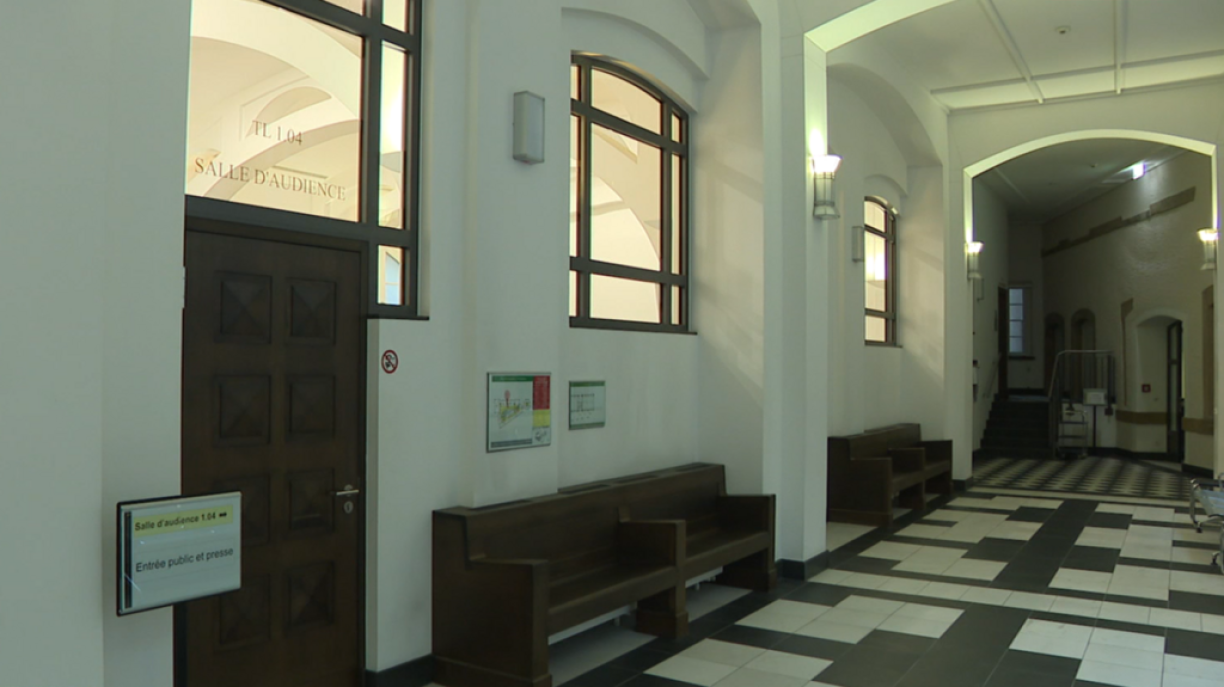
On the third day of the trial, the architectural firm Valentiny HVP Architects faced the Schengen municipal council for defamation and slander, while a civil servant from the technical service was accused of an alleged illegal conflict of interest. The proceedings provided insight into the former collaboration between the architectural office and the municipality.
The dispute arose when Valentiny HVP was working on the special development plan of the school campus and sports hall in Schengen. The two contracts were terminated during a municipal council meeting in early May, garnering significant media coverage in the country and even abroad.
According to Anna Valentiny, who was involved in the project, the architectural firm suffered due to this incident. She asserts that the public may now hold an inaccurate perception of the firm, viewing them as unwilling to accommodate the wishes of their clients. She emphasised in front of the judge that such a perception is akin to a death sentence for an architect. Notably, she clarified that the negative impact is not centred around the ego of architect François Valentiny, who only participated as a consultant on the project.
The entire firm has been unfairly defamed through the media. “It is not Valentiny who is taking legal action. But all of us as we fight against the tarnishing of our image,” expressed the 32-year-old architect.
This project held significant importance for the firm, and considerable effort was invested in. Communication with the council always proceeded smoothly, with numerous well-organised meetings between the two parties. None of these interactions had previously eroded the trust between the firm and the council. However, during meetings regarding the school projects, the Schengen Council did not actively participate. Instead, a technical officer was present, and every proposal put forth by the firm was met with skepticism and questioning.
François Valentiny explained that he felt that this person acted like a “sieve”, meaning that discussions from the meetings did not align with what was reported back to the council. The Valentiny firm had maintained a positive collaboration with the municipality for over 40 years, until this incident. “We have experienced a significant setback, not only in professional terms but also in a human sense,” summarised the architect, expressing his profound disappointment.
On the campus project, François Valentiny had only indirect involvement. Despite this, he expressed frustration that, following the participation of the technical officer, every proposal he presented was met with challenges, leaving him with no opportunity to provide explanations. The architect clarifies that the challenges faced were not due to a lack of willingness to resolve issues. He goes on to highlight their commitment by stating, “We even flew three times to Brazil to solve problems for a project we were coordinating over there in the middle of nowhere.”
According to Valentiny, the representatives of the municipality were not fully aware of the magnitude of their actions when terminating the contracts as such actions can lead to an architect’s ruin, especially when projects are still in their construction phase.
The accused mayor of Schengen, Michel Gloden, emphasised that, prior to the termination of the contract, he was aware that the collaboration between the office and the municipality did not unfold as expected. The situation had gradually escalated, making it increasingly challenging for him to advance his wishes as a client. Many aspects had become “arduous” and faced scrutiny. Eventually, it became evident that progress was no longer feasible.
Nevertheless, he is of the opinion that the whole incident should not have made it into the public sphere. He said that “This is not about blaming each other.” He had therefore decided, with the municipal council, to not include the incident in the agenda of the municipal council meeting. That’s why he didn’t address specific questions from the municipal council members during the session. He also expressed surprise at the presence of so much press that day as nobody knows who invited them.
“It’s something that matters to my honour. We made the decision in the interest of the matter, and it has never been about making someone look bad,” said the mayor. His two aldermen, Tom Weber and Jean-Paul Muller, stood with him before the judge but added only a few additional details. This was particularly true for Jean-Paul Muller, who was actually abroad on the day when the contracts with the architectural firm were terminated.
The municipal officer from the technical service, accused of illegal conflict of interest, denied all allegations. “This trial here must name the reasons why I should have engaged in illegal conflict of interest,” said the officer. He asserted that he had only fulfilled his duties as the municipality’s responsible person for the project, and that this was done in a transparent and diligent manner. The decision to give the contract to another architectural firm was solely based on that firm’s experience in building schools.





