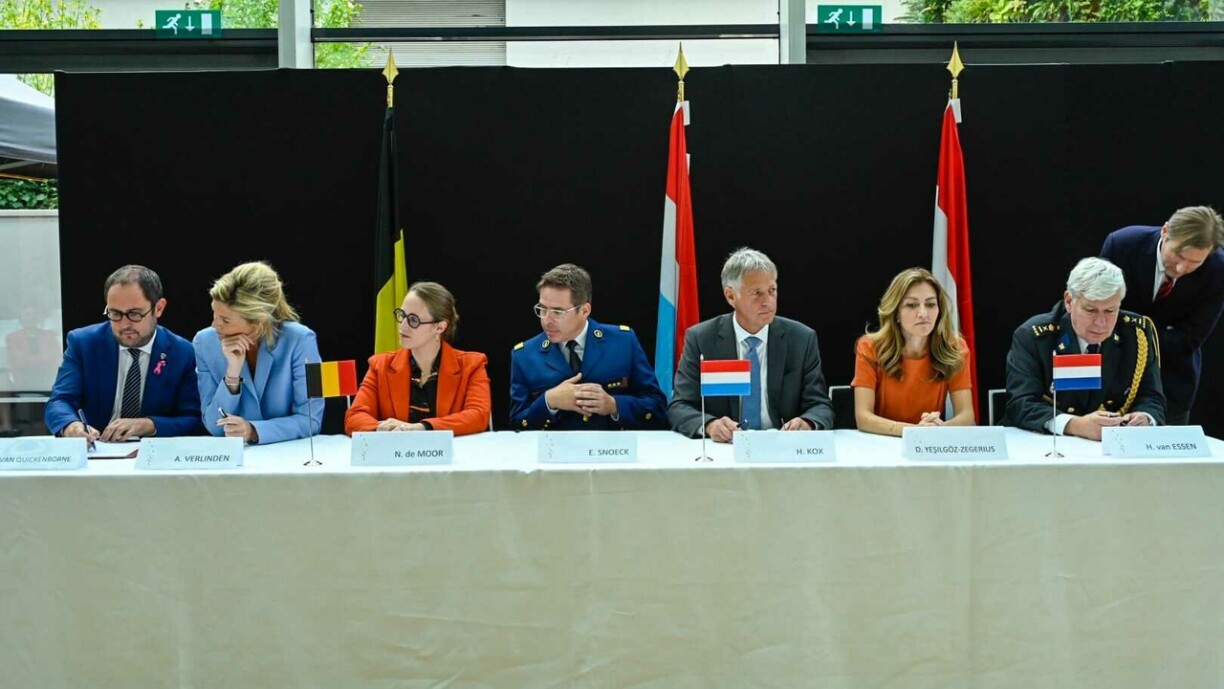
The agreement, signed by various ministers and police chiefs from these nations, is slated to take effect on 1 October 2023. This development marks a significant stride toward bolstering the safety and overall security of their citizens, fostering swifter and more efficient collaborative efforts across their territories.
The origins of this cooperative endeavour trace back to the Senningen Agreement of 2004, which laid the initial groundwork for cross-border police collaboration. Subsequently, a respective treaty was signed in 2018. The new agreement, designed to align with the current situation, introduces several notable provisions.
One of the key amendments eliminates border-related restrictions during pursuits. Previously, pursuits could only continue across borders under specific circumstances, often resulting in chases coming to an abrupt halt at the border. Under the revised agreement, police officers from one signatory country will now also possess the authority to conduct various search operations in another, including interviews with witnesses and victims.
Another notable enhancement is the reciprocal access to databases for police forces. This feature facilitates seamless information sharing, particularly during joint patrols within the border region.
Additionally, the new treaty grants special police units the capacity to actively intervene in a crisis or major event within another Benelux country. For example, these units may offer backup during significant gatherings such as European summits.





