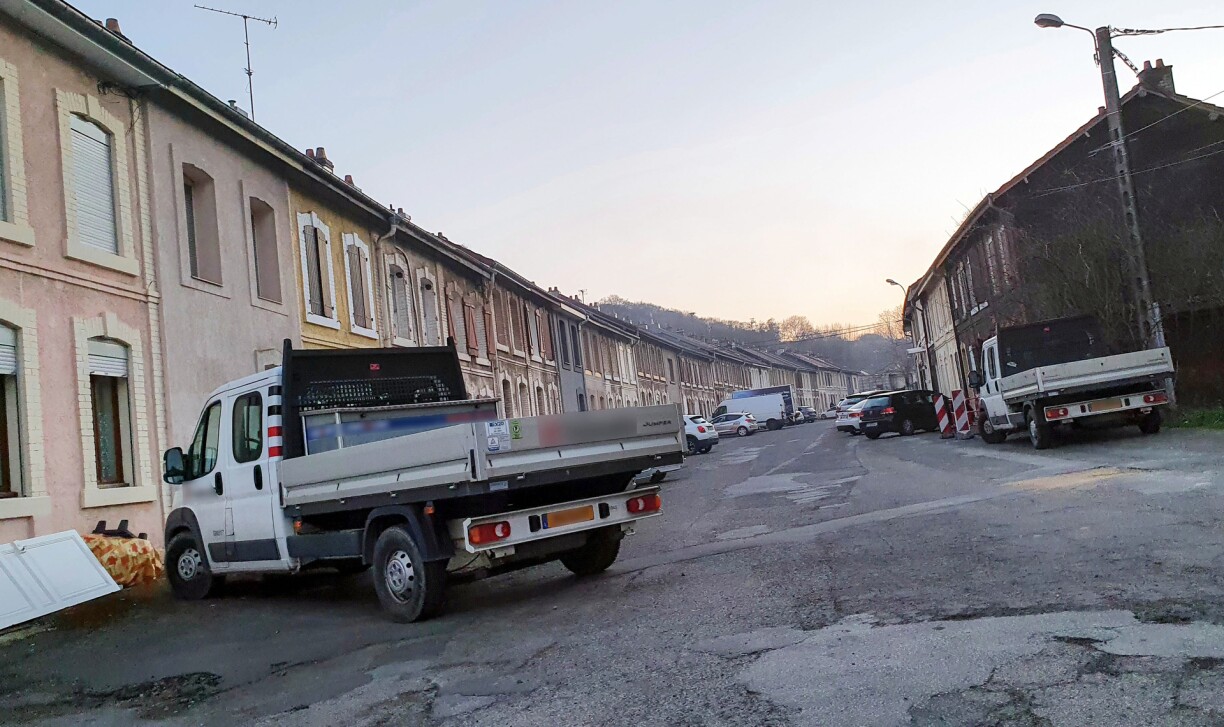
Turning the French region of Lorraine into a giant car park for Luxembourgers? Two years ago, the Wurst already "reported" on this crazy idea in what was back then a mere parody article.
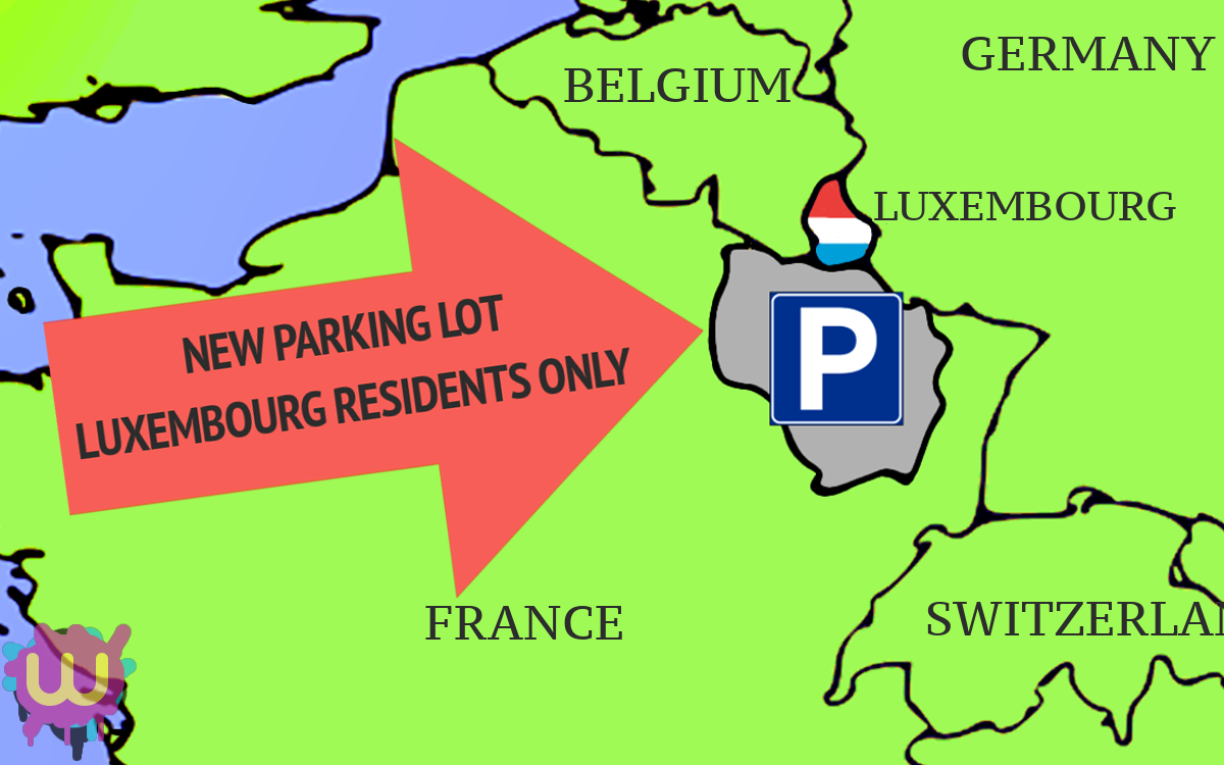
As it turns out, however, fiction is increasingly becoming reality, at least according to Jean-Marc Fournel, the mayor of Longwy, who says that a question that seriously needs to be considered is whether France should become "the car park for Luxembourg companies".
In some ways, it is of course natural to see more and more yellow Luxembourgish number plates in France: border traffic is exploding, as is the exodus of Luxembourg residents in search of more affordable property prices. But what concerns the mayor of Longwy is in fact the worrying accumulation of small vans and similar vehicles on the streets of his town.
Fournel explains that while these vans are sometimes used by people who work in Longwy, they more often than not simply bring cross-border workers home. The problem, he adds, is that they remain parked during the week but also at weekends in the border municipalities, from 1 January to 31 December. This in turn reduces the city's parking capacity.
Not far from Longwy, in Villerupt, mayor Pierrick Spizak also expresses his "frustration" with this phenomenon. In the "working-class towns" in particular, he explains, the streets are already narrow, and each family owns an increasing number of cars. Vans that take the place of two or three cars made the situation simply "unbearable". Even for the inter-municipality lorries, which can no longer get through to collect household waste.
In Audun-le-Tiche, Ottange, etc., "it's the same", Spizak laments: There are more and more people from Luxembourg who come to park in cross-border towns because the parking fees in Luxembourg are so expensive. Villerupt's mayor says he understands why the companies then suggest that the workers take the van to go back to France. It is "an advantage", as the employees do not need to take their own car, they have no petrol costs, etc.
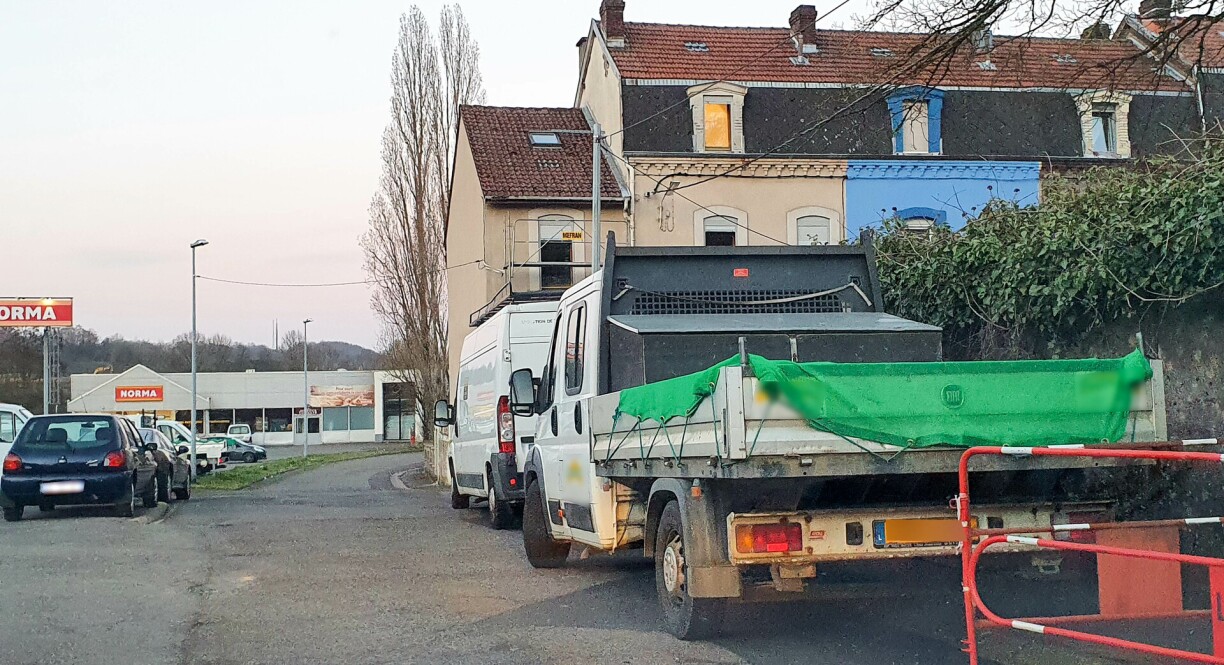
The question then arises: what can be done to curb this phenomenon? Spizak states that at one point, the municipal council had started to think about banning construction vans altogether. The idea was quickly abandoned as it could easily penalise local craftsman as well. And also because it would be illegal to treat Luxembourgish and French vans differently.
Another possibility would be to create a special car park for vans in the town, which would have to be paid for. The problem with this idea is that the town would need to have land at its disposal, which it does not. It would also require the cooperation of van drivers, who often want to "park wherever they feel like parking".
The mayor of Villerupt deplores another problem: Not only are the border municipalities becoming car parks for Luxembourg companies, they are also becoming their dustbins. Spizak states that he notices an increase in the amount of waste brought back from Luxembourg. According to the mayor, the drivers of the vans take advantage of their trip to France to transport rubbish bags, which they throw away in France next to public rubbish bins or just in the countryside.
The municipality of Longwy made its own experiences with this phenomenon, when it recently fined one of these polluters. Thanks to the vigilance of a citizen, a Luxembourg company that had dumped its waste in town was caught. The company had to pay a fine of €1,500.





