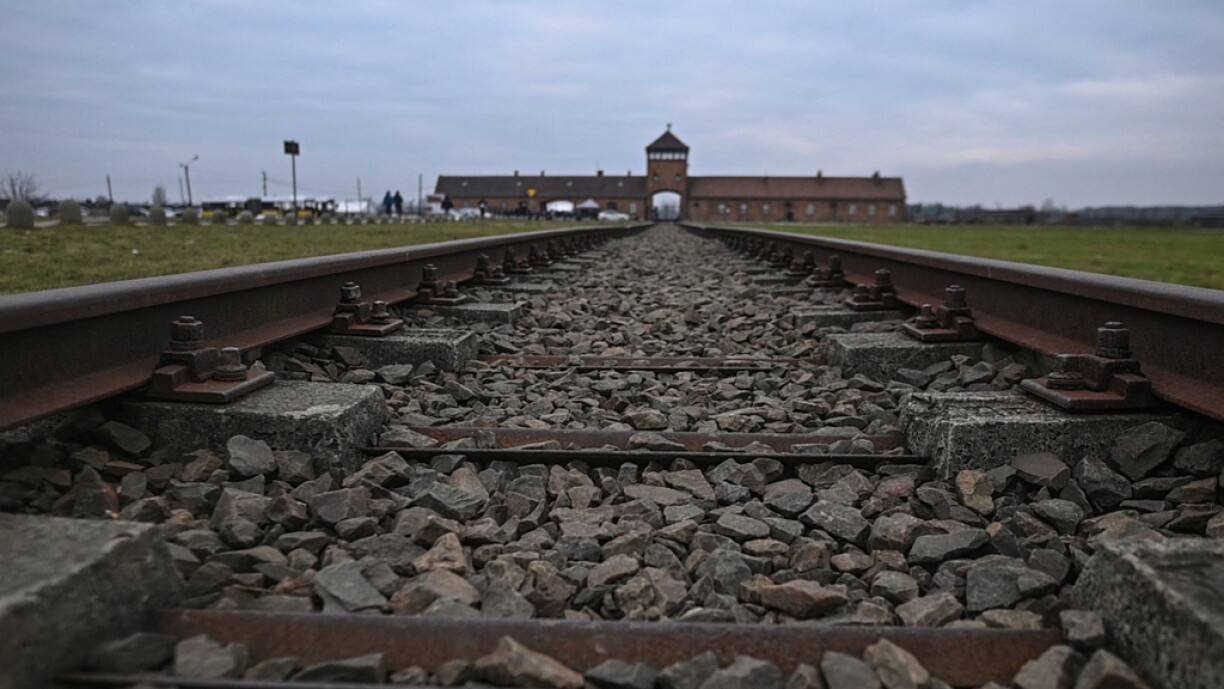
The impressions of this visit will certainly remain etched in the minds of these young visitors. Chiara, a student from Lycée Michel Rodange, articulated the challenge of conveying the experience: "You can't put into words what you saw there," she remarked, acknowledging the need for time to process it all.
The images of the Auschwitz concentration and extermination camp are well-known to anyone who has ever opened a history book but witnessing it in person is an entirely different encounter. Tommy, another participant, stressed what struck him most was the stark absence of respect for human rights, tolerance, and diversity during that period. He said that this observation motivates him to champion these values in contemporary society.
This aligns with the objectives of the Association of Second-Generation Witnesses: Aiming to draw young people closer to this harrowing chapter of history and get them to think. The trip has now been organised 27 times and the initiative was started in 1997 by current MEP Charles Goerens, as part of the European Year against Racism. Since then, the association has been dedicated to combating intolerance, racism, xenophobia, and anti-Semitism.
Kim Schortgen, a committee member of the Association of Second-Generation Witnesses, elaborated: "On one hand, it is about preserving the memory of the Shoah. On the other hand, it is also about inspiring young people to champion human rights and oppose discrimination."
Yves Berna, a teacher at Lycée Michel Rodange, acknowledged the persistent interest of young people in this topic. However, acquainting them with such sensitive subjects in a extracurricular setting is an entirely different endeavour, he acknowledged. Berna believes that schools have the responsibility of addressing and contextualising current events, extending beyond anti-Semitism to include religious tolerance and the acceptance of minority groups.
Given recent global developments, including wars and political shifts towards extremism, students have grown increasingly concerned. Addressing these issues, finding solutions, and encouraging dialogue are paramount, one of the students said. When asked whether he could imagine something as bad as Auschwitz happening again, another observed, "You can't rule it out. I hope it won't happen. But people are capable of quite a lot."





