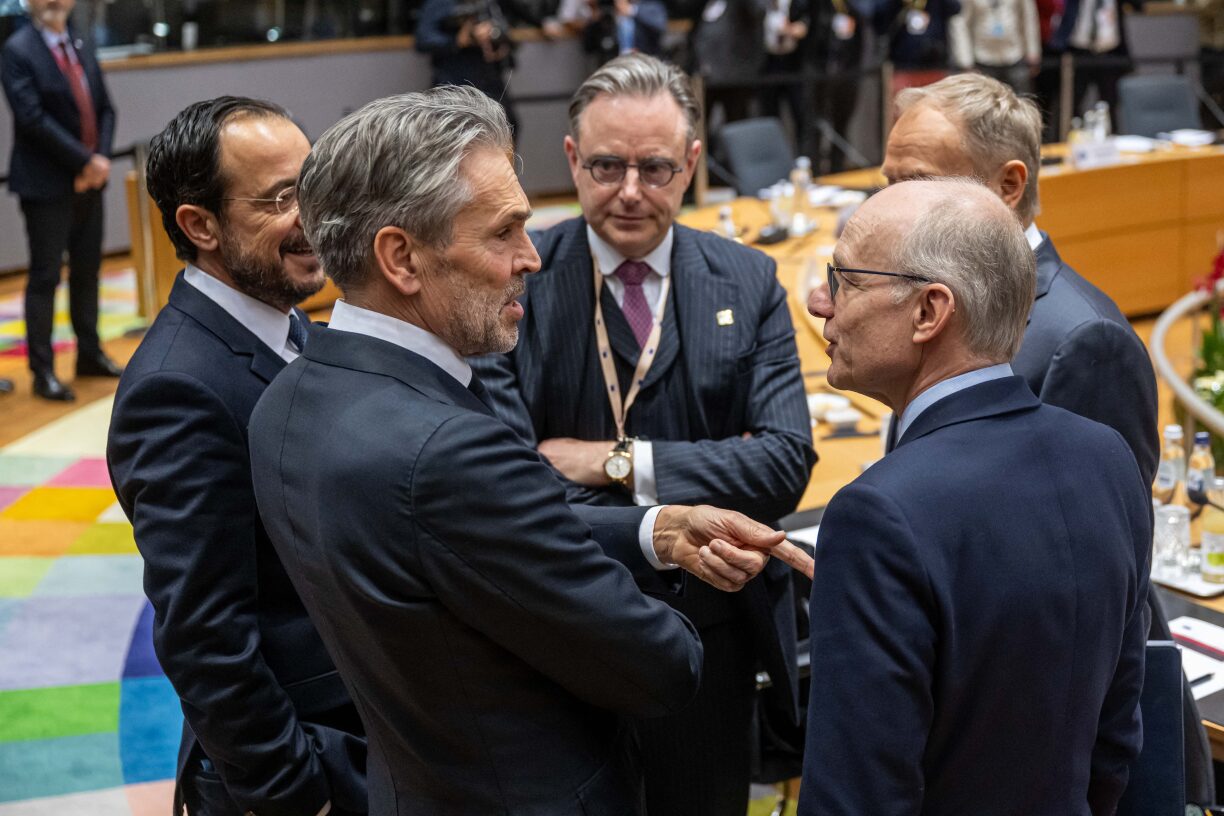
The European Union has agreed to provide Ukraine with financial aid for the next two years.
Following protracted and complex negotiations at the EU summit, the 27 member states agreed early Friday morning to a €90 billion loan package for Kyiv. Notably, the funding will not be drawn from frozen Russian state assets, as had been previously considered. Instead, it will be raised through loans taken out collectively by the EU – though not with full participation.
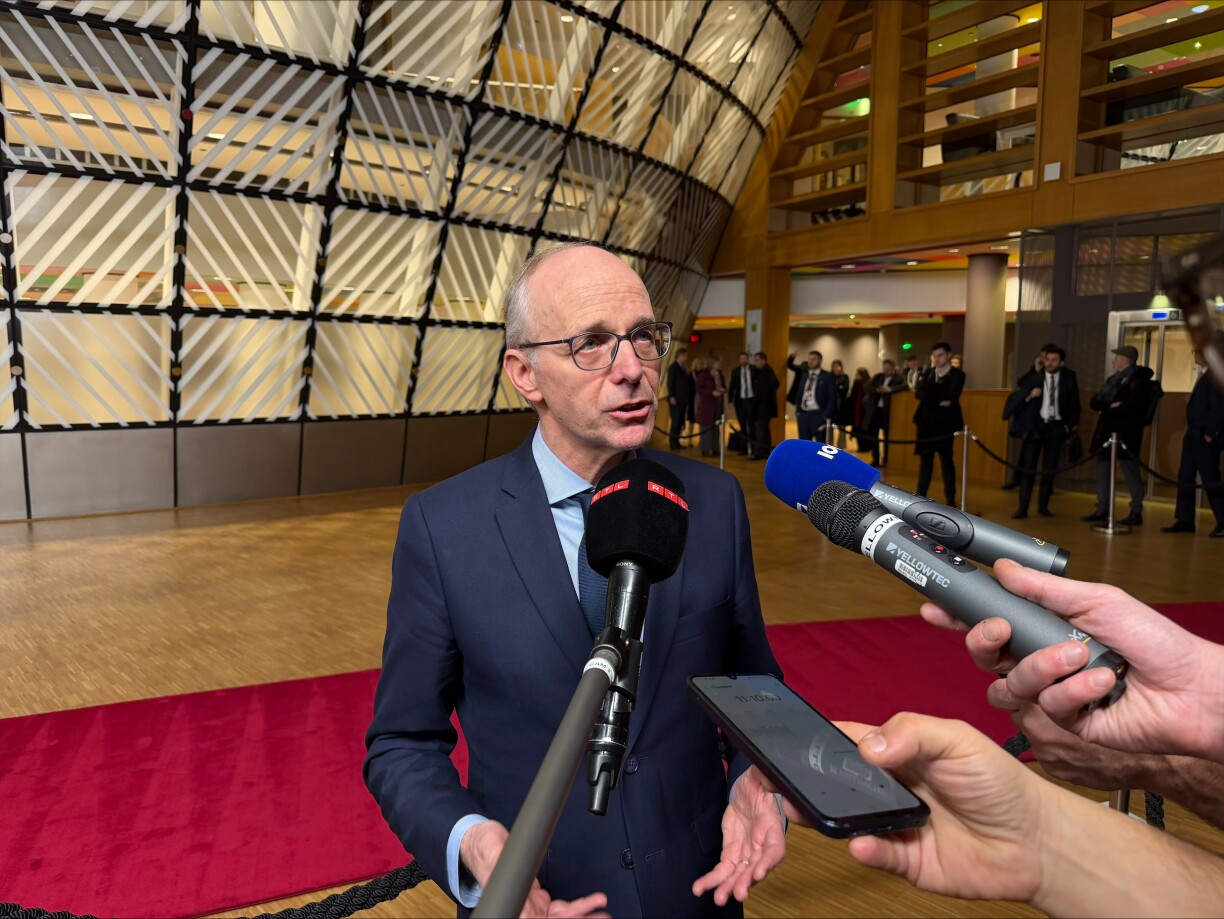
Hungary, Slovakia, and Czechia will not take part in the mechanism. The central challenge for negotiators was structuring the aid to proceed without their contribution, as budgetary decisions typically require unanimous approval. Explaining the solution upon his departure, Prime Minister Luc Frieden stated that the EU will secure the loans via the European budget, where available funds can be leveraged. The financing burden, he clarified, will not fall on the non-participating countries – a method he noted has been used successfully in the past.
Throughout Thursday and into the evening, utilising frozen Russian assets had been the preferred option for many leaders. Extensive discussions were held to address concerns from Belgium, where the majority of these assets are held through the Euroclear depository. Prime Minister Frieden dismissed any suggestion that the change in plan indicated hesitation or fear of Russian retaliation. He stressed that any solution had to be legally airtight, and outstanding questions – including potential legal guarantees for Belgium or Euroclear in the event of lawsuits – had not been fully resolved. He added that the frozen Russian assets will remain blocked and could still be used later for Ukrainian reparations.
Prime Minister Frieden characterised the summit outcome as a success for both Belgium and Germany – the latter having initially pushed for the asset-based model. The success, he argued, lay in achieving the primary objective: ensuring aid for Ukraine and sending a signal to Russia that European support remains unwavering. How Russia and the United States will respond to this commitment, and whether it will strengthen Ukraine's position in any future peace negotiations, remains to be seen.
Amid the summit discussions, news emerged that the signing of the long-negotiated Mercosur trade agreement with South America has been postponed. European Commission President Ursula von der Leyen had been scheduled to finalise the deal in Brazil on Saturday. On Thursday, however, she informed EU leaders that the signing will now occur in January.
The delay follows pressure from France and Italy, which sought stronger safeguards for their agricultural sectors within the agreement. The South American partners in the Mercosur bloc have been notified of the new timeline.
This development unfolded as thousands of European farmers converged on Brussels. An estimated 7,300 protesters, predominantly from Belgium and France, brought tractors into the Belgian capital on Thursday to voice their opposition to EU agricultural policies, with the Mercosur agreement being a primary grievance.





