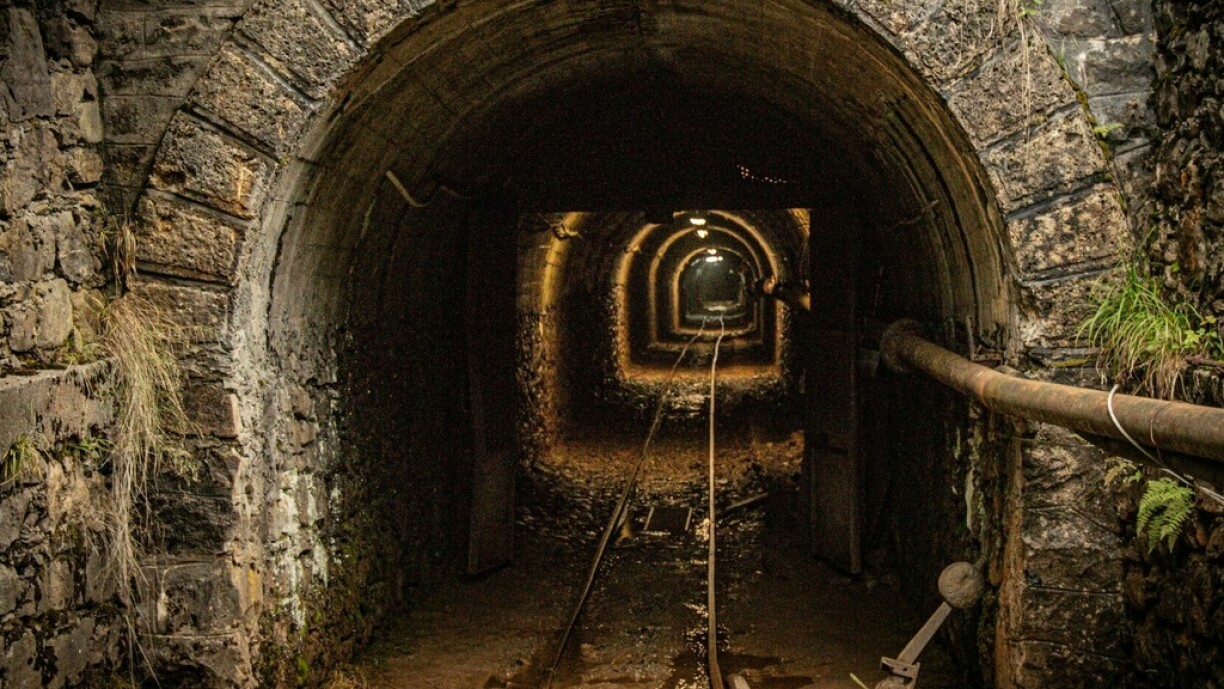
Antimony is a brittle, silvery colored crystalline metal. It is a part of group fifteen on the periodic table, also known as the nitrogen group. The group consists of nitrogen, phosphorous, arsenic, antimony, and bismoth.
Antimony has been used as early as the Bronze Age when it was combined with copper to create tools and weapons. The ore was also used by the Chinese and the Babylonians for medicinal and beauty purposes. Antimony, when ingested, creates a purging effect, which was thought to be a way to cure sickness, similar to cleanses today. As a cosmetic, peoples in North and West Africa and the Middle East would grind antimony and lead together to create an eyeliner or mascara called kohl. Variations of kohl are still used today.
Today antimony is used in car batteries, smartphone components, and as a flame repellent in polyester cloth. China has the largest reserve of antimony, and supplies it to most of the rest of the world.
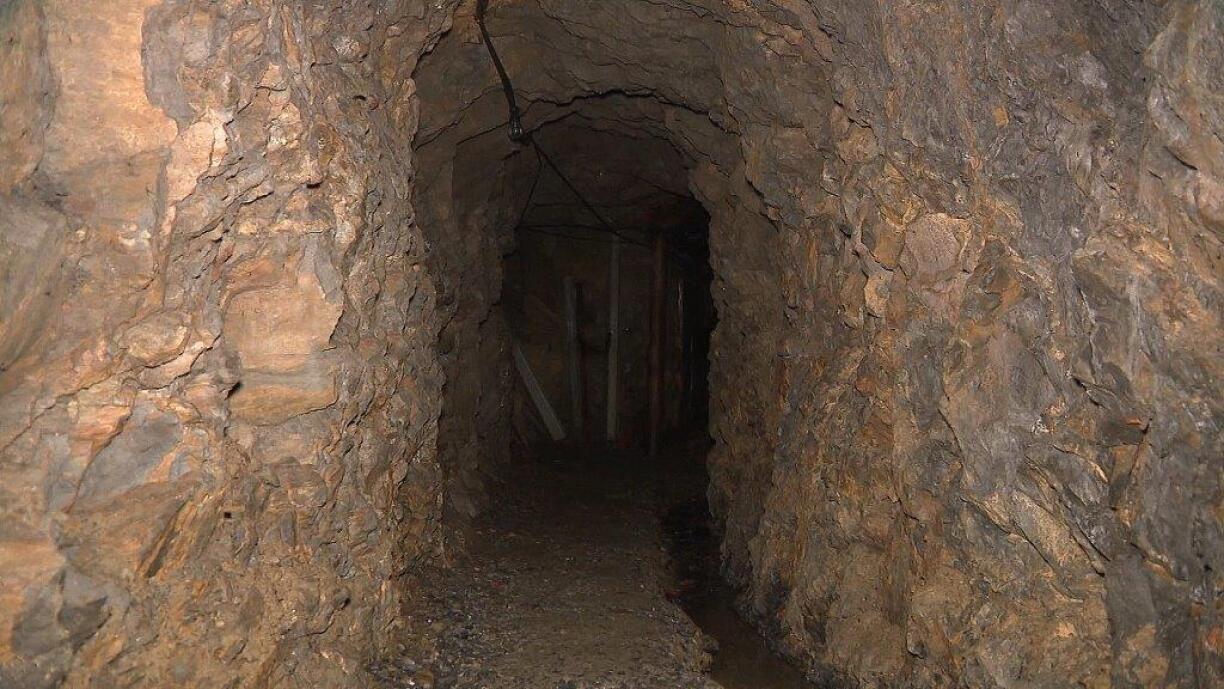
It is thought that antimony has been mined in Goesdorf since the Romans, lead by Julius Caesar, occupied present-day Luxembourg in 53 BC.
At a nearby archaeological site, a Roman tomb and mansion called "Op der Tonn" were discovered. The inscription derives from the Latin word "tumulus" meaning "burial ground." While there is no written record of Roman activity within the mine itself, the Romans were well-versed in smelting and forging.
Despite advanced societies like Rome, China, and Babylon using antimony and creating alloys, by the Middle Ages, all of this knowledge was lost. Even so, it was known that precious metals were in the hills of Goesdorf. Marauding knights would sell, steal, and trade the mine back and forth to each other labelling it as a "silver mine." But as time passed, the mine was slowly forgotten about. The first concession for the mine was written in 1354, handing it over to the state.
In the 16th and 17th century antimony was used to treat the plague, leprosy, and many other ailments. In 1683 Lord of the Castle of Esch-sur-Sûre, Alexis DuBos-Moulin, decided to use his mining rights in Esch-sur-Sûre and its surrounding areas. He would now have control of the antimony mine in Goesdeorf and other villages' mines.
However, when looking for antimony, only traces were ever found. People would look in local streams and the Sûre Valley, but couldn't find any notable quantity. Goesdorf remained the region's central location for antimony. The mine passed through many hands and eventually became a special mining gallery in northern Luxembourg.
In 1935 a 52 kilogram chunk of antimony was discovered in the mine, breaking the world record at the time.
When the Industrial Revolution began, antimony was needed for printing presses, as it was mixed with lead to create characters in print shops. Up until 1938 banks would monopolise and control the mines as they were the major source of revenue and employment in the municipality.
The Goesdorf mines were closed in 1938, but the Nazis tried to reopen them in 1944. The Nazis combined antimony with lead to create weapons and bullets.
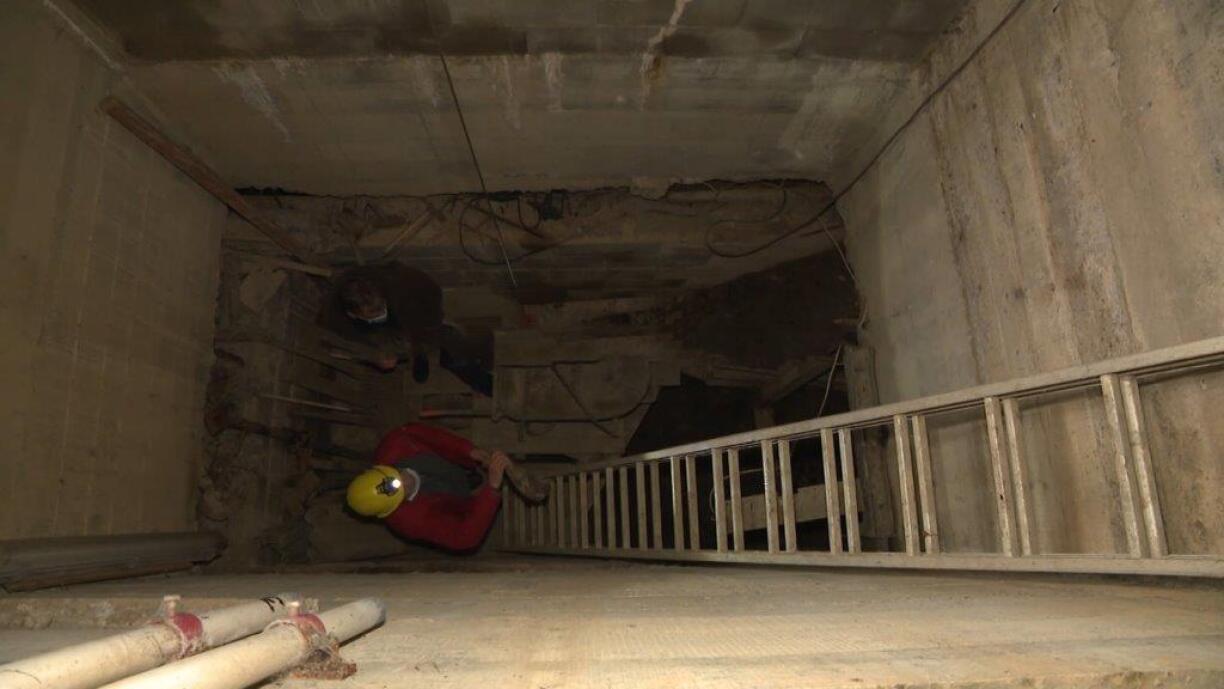
At one time, the mine was a busy site for tourism. In 2015 some of the galleries had to be shut down because they weren't structurally sound, and eventually the entire mine was closed down to public visitation.
Slowly, the mines are being revitalised so they can possibly be reopened to tourists. While the mines are unused now, their vertical 70 metre shafts and their five horizontal shafts are evidence of the mine's former prosperity.
RTL video in Luxembourgish, from 2020:





