Listen to the episode right here or continue reading down below.
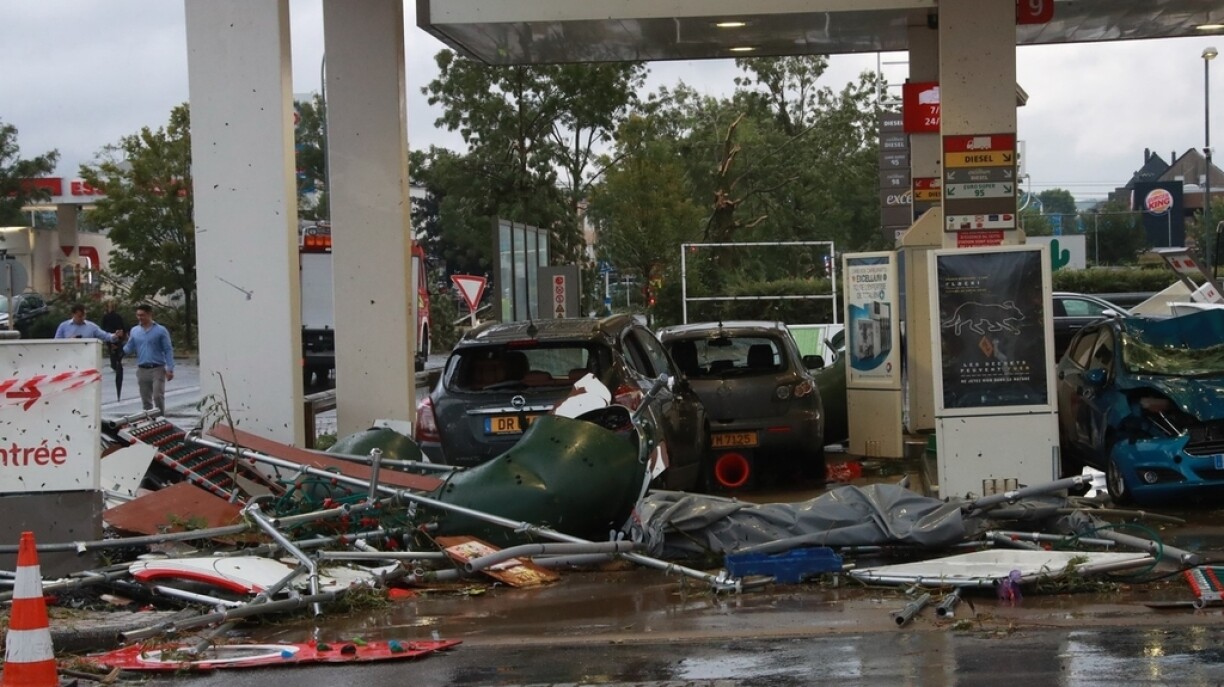
One of the worst tornadoes ever to rip through Luxembourg occurred on 9 August 2019, causing extensive damage after making landfall in France near Longwy. Initially rated F1, the storm intensified to F2 intensity as it crossed into Luxembourg, affecting municipalities such as Rodange, Lamadelaine, Pétange, and Bascharage.
With wind speeds reaching 180 to 250 km/h, the tornado created a path of destruction up to 750 meters wide. Within 15 minutes, it tore off roofs, scattered tiles, gutted facades, and battered cars. In Bascharage alone, around 400 trees and 310 homes were damaged, with fifty losing their roofs and debris embedded in some residences.
The tornado weakened as it moved between Schouweiler and Dippach, causing minor vegetation damage in its final stages. The storm’s total damage is assessed to exceed 100 million euros, though no fatalities were reported. 19 people were injured, and the emergency response involved local police, firefighters, and the Luxembourg Army, with French emergency services providing critical overnight support.
Cleanup began the day after the storm and continued for weeks. Despite the destruction, the swift response and resilience of the affected communities highlighted the devastating yet manageable force of nature.
Four months later, some 26 families still struggled with uninhabitable homes, underscoring the lasting impact of one of Luxembourg's worst tornadoes.
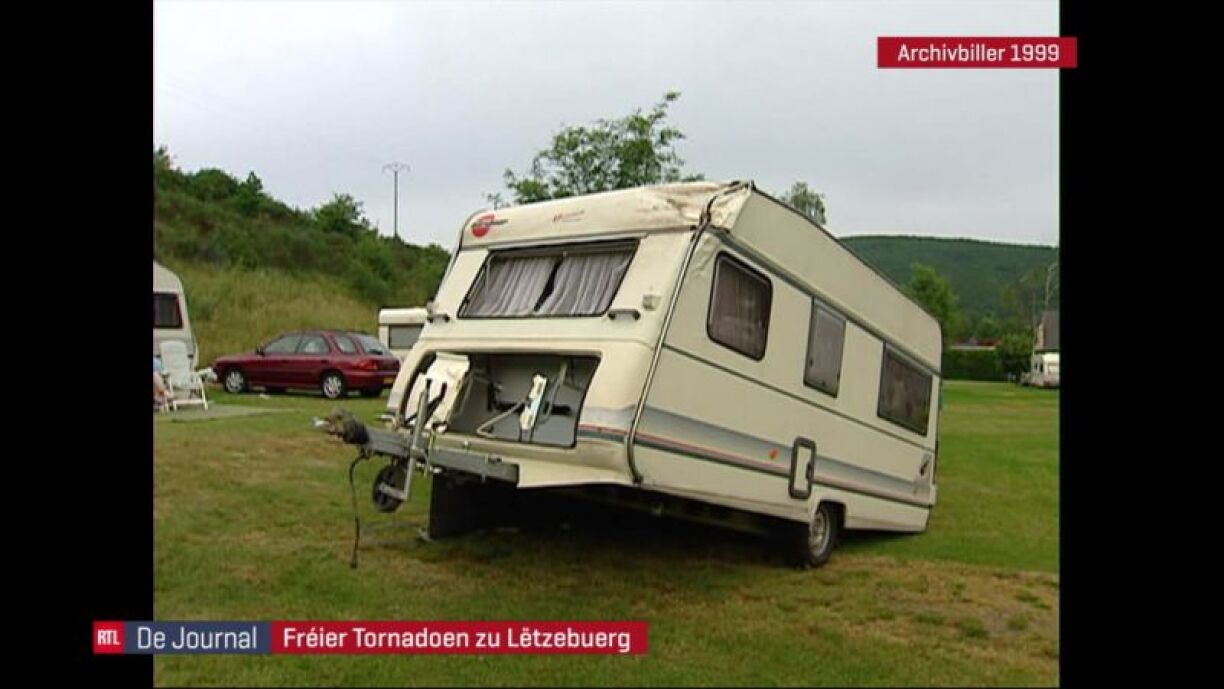
It was not Luxembourg's only tornado. In 1999, a tornado hit Wiltz, wrecking several houses, blowing off roofs and wreaking havoc at a local camp site. Material damage was considerable but nobody was injured.
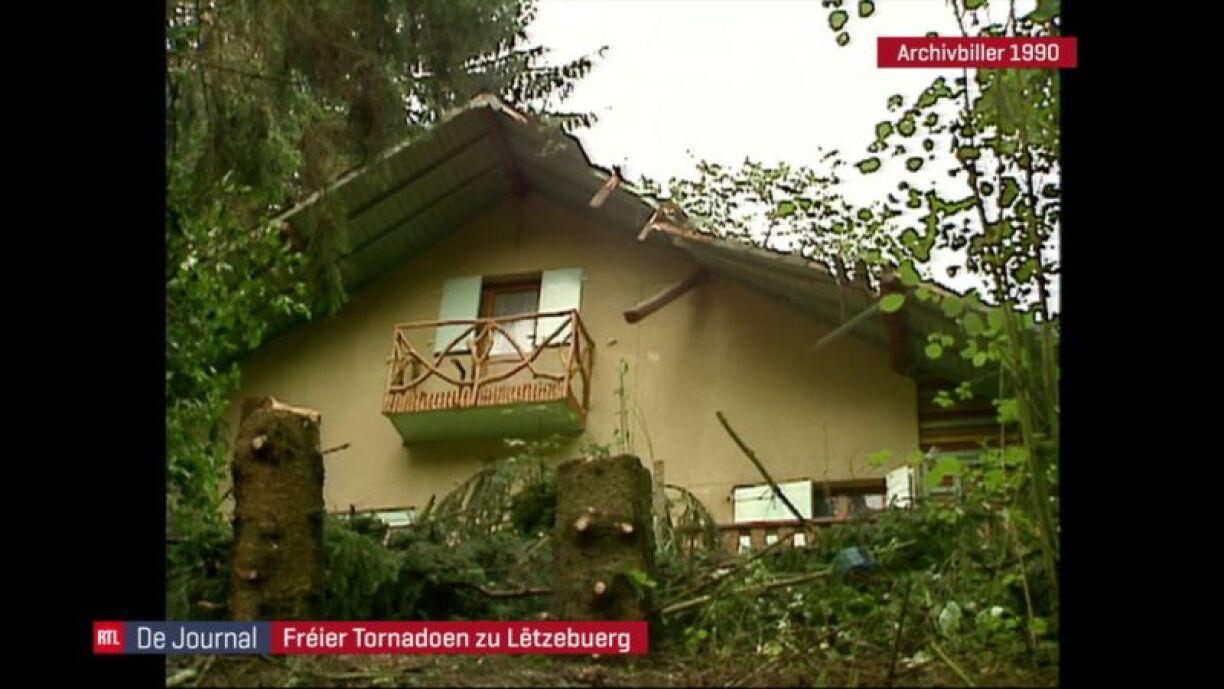
In 1990, another tornado ravaged Schlindermanderscheid in the north of Luxembourg. While it did not claim any victims, the tornado damaged a number of farms and houses. It also knocked over pylons and uprooted around 100 trees.
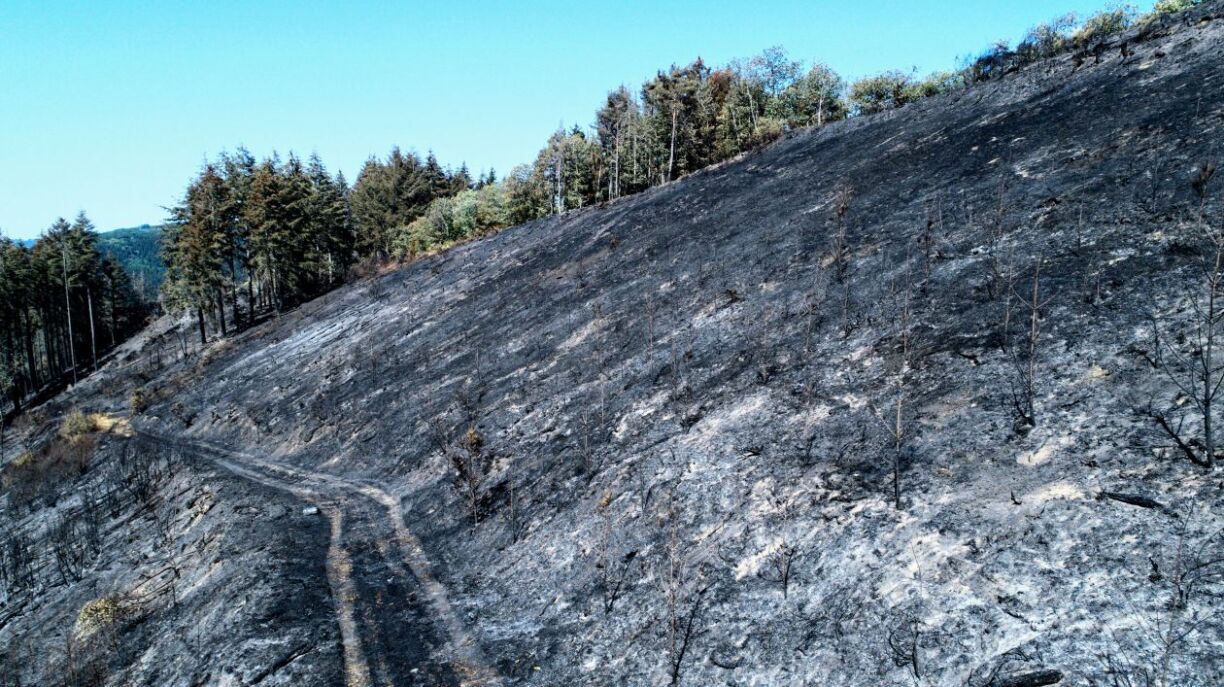
Fires are not a rare occurrence but they're seldomly the result of natural factors – and Luxembourg's firefighters have repeatedly proven they're on the ball when it comes to reacting quickly and efficiently. A notable forest fire broke out in the Grand Duchy’s north between Schlindermanderscheid and Consthum in August 2018.
Heatwaves and drought had been scorching Luxembourg for more than a week prior to the fire, which eventually affected an area measuring around 10 hectares. More than 130 firefighters had been dispatched to battle the flames and bring the fire under control from two sides.
The blaze had been raging on a steep slope, complicating their efforts. It had taken more than a day to extinguish the flames. The numerous shrubs in the area had made the situation even more challenging. 30 CGDIS tank trucks had been at the scene, with more on the way to ensure there was enough water. Emergency services and a medical team had been called to monitor the firefighters' health, as they had been dealing with both the heatwave and the difficult terrain.
Luxembourg's earthquakes have, historically-speaking, been more even-tempered – which does not mean they don't exist. On 22 February 2003, a 5.4 magnitude earthquake rattled the French city Saint Dié. The quake was felt in Luxembourg: around 200 concerned residents phoned the Grand Duchy's emergency call centre. The earthquake did not cause any damage.
Another earthquake caused (minor) panic in 1976. Countless residents reported that windows were trembling and paintings jumping off the walls. Luxembourg, as it turned out, was feeling the shocks of the 1976 6.5 Friuli earthquake, which occurred in northeast Italy. The quake killed 978 people in Italy and 157,000 were left homeless.
An earthquake that many Luxembourgers will probably never forget was the 1992 Roermond earthquake. it was the strongest recorded earthquake in the Netherlands and in Northwestern Europe. It caused considerable damage to buildings in the Netherlands as well as Germany and Belgium. 40 people were injured.
Luxembourg escaped unharmed but countless alarmed residents called the emergency services in panic – many of them were worried that something had gone wrong at Cattenom nuclear power plant.
Luxembourg is no stranger to flooding. On 1 June 2018, heavy rainfall triggered floods, with Greiveldange and Mullerthal among the hardest-hit areas. The picturesque hiking trails of Mullerthal were severely damaged, several roads and houses destroyed, and numerous local businesses forced to close.
Flooding has long posed a significant natural risk in Luxembourg. The Moselle valley was devastated in 1983, while the Sure valley suffered similar fates in 1993, 1995, 2003, and 2011.


In July 2021, Luxembourg was struck by catastrophic flooding, part of a wider disaster that ravaged much of Western Europe. While no lives were lost in the Grand Duchy, the damage to infrastructure, homes, and businesses was extensive, amounting to €23 million in losses, with Echternach bearing the brunt. Residents were evacuated, losing both their possessions and livelihoods in mere hours.
Did you know that Luxembourg City fell prey to one of history's deadliest lightnings in the 19th century? The number of casualties and exact location vary depending on the source but one thing is clear: a deadly lightning struck Luxembourg on 26 June 1807.
According to the History Channel, the lightning struck the fortress in Kirchberg. At the time, Luxembourg was invaded by Napoleon's army and the French leader used the fortress to stockpile gunpowder and ammunition. The lightning ignited the ammunition and triggered a huge explosion. The author of the history channel article also claims that the incident killed more than 300 people and destroyed two entire blocks, which, however, seems doubtful considering the geography of Kirchberg.
Another source mentions that the lightning struck a tower in the Verlorenkost neighbourhood in Luxembourg City. This account seems more likely: the author claims that 224 powder kegs exploded, killing 32 and injuring 120. Large parts of the Grund neighbourhood were reportedly also destroyed.
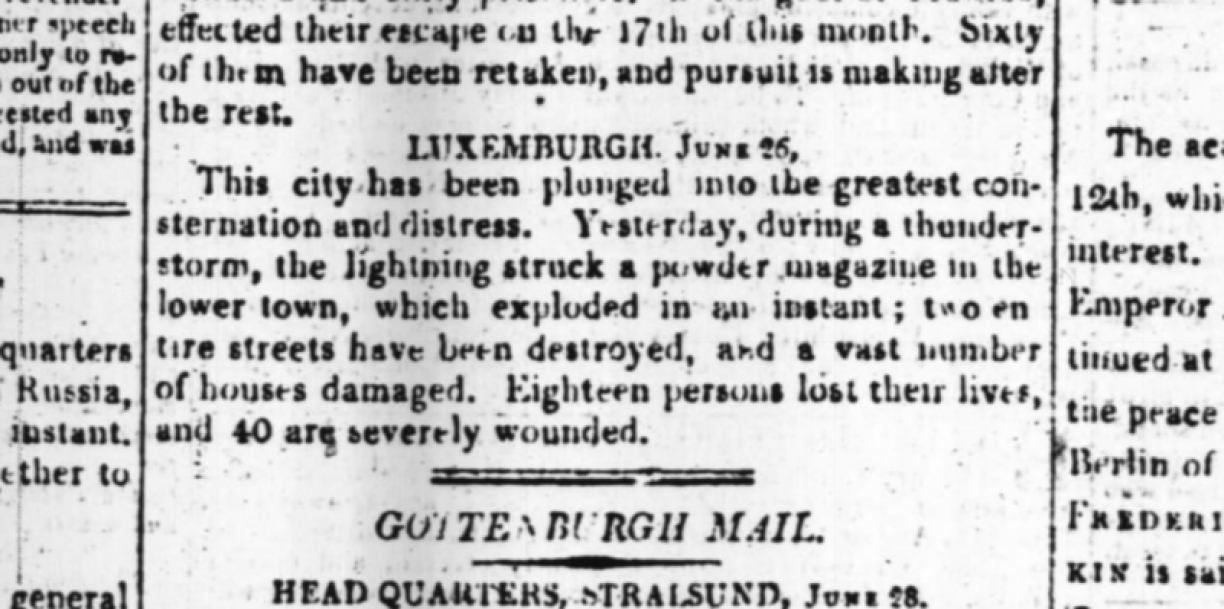
According to the original London Times article (see screenshot below), " this city has been plunged into the greatest consternation and distress". The article speaks of 18 fatalities and 40 wounded.
Thank you for tuning in! Now what are you waiting for – download and listen, on iTunes, Spotify, or wherever you get your podcasts.





