Hobby historian Georges Even unveiled over 100 Luxembourg nationals that were members of the Waffen-SS, using documents from the National Archives for his research and praising how straightforward the process had been.
Even, an amateur historian who researched this subject, said that if he had carried out the same research five years ago, it would have been much more complicated.
His work was based primarily on trial files from proceedings that mostly took place between 1945 and 1950. The fact that he was able to access the information relatively easily was not because the 2018 law on archiving, which applies in this case, had changed. Rather, many of the relevant limitation periods had already expired.
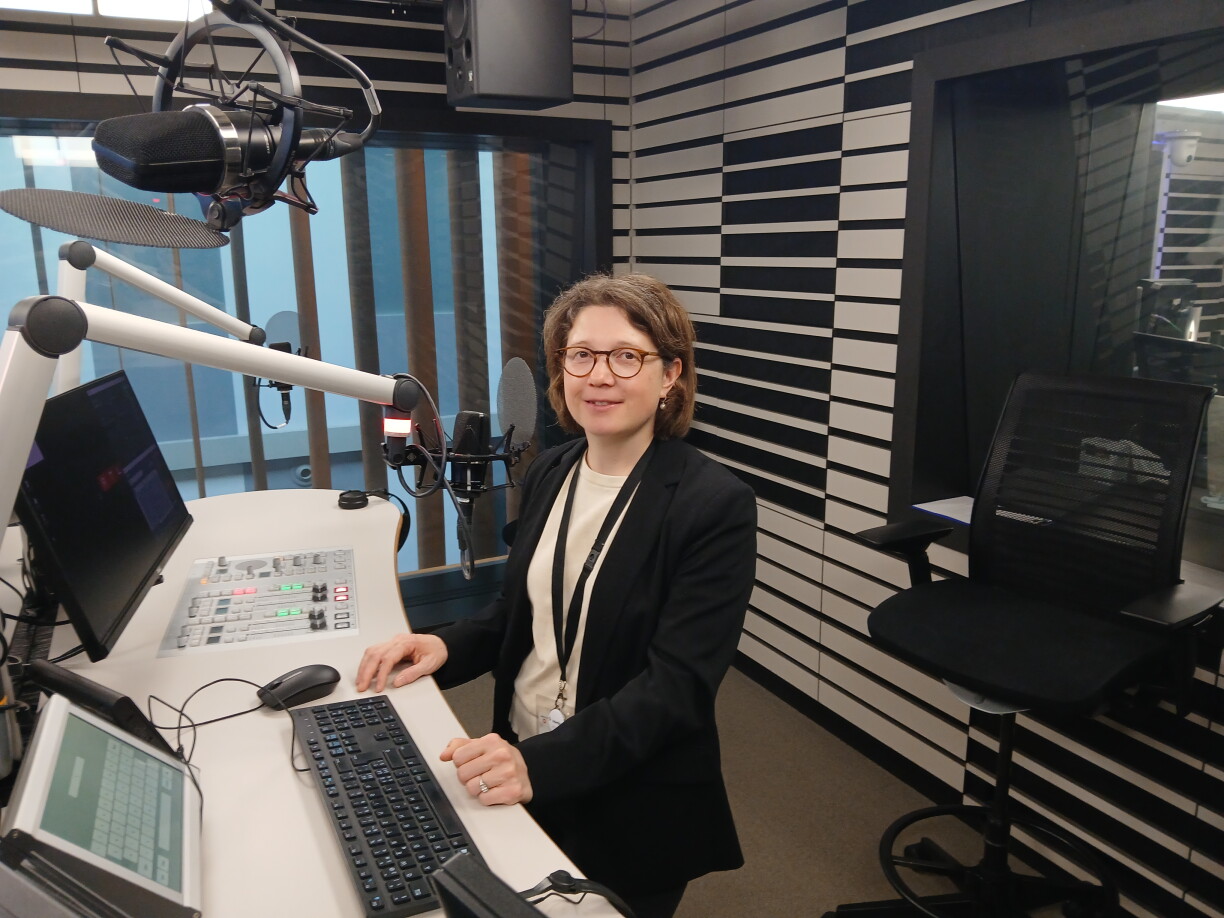
Corinne Schroeder, head of the contemporary history section at the National Archives, explained that two types of deadlines apply. Since these are court proceedings, documents are generally subject to a 50-year period for judicial records, she said.
Schroeder noted that data protection rules also apply and can be calculated in two ways: either 25 years are added from the date of death of the person concerned, in this case the collaborator, or, if the date of death is unknown, 75 years are added to the most recent document date in the file.
According to Even, the trial files are surprisingly complete and provide a good overview of the entire investigation. They may include photographs or postcards sent by Waffen-SS members from Germany to their families in Luxembourg.
In his book, Even only uses the first name and the first letter of the surname. In theory, however, he could have named most individuals in full, because once the limitation period has expired, all information and documents contained in the file can be published without restriction.
Schroeder explained that this is one of the reasons why the periods are so long, as they are intended to protect victims, but also perpetrators and their descendants.
In trial files, witnesses must also be taken into account, she added, as many testimonies were collected, especially in collaboration trials. Some of the accusations and information contained in such files can be difficult for descendants to confront, Schroeder said.
Work is currently underway to shorten these access periods. However, it is not yet clear by how much they could be reduced. Schroeder described the planned change as a "small gesture", noting that certain sensitive data still require adequate protection, particularly when minors are involved.
Even when an access period is still in force, it is possible to request an exemption. Two criteria must be met.
First, the information must be needed for academic or scientific work. Schroeder said that this is interpreted fairly broadly: applicants must explain what they intend to do with the research, what methodology they will use, and what the expected result will be, such as a book, article, or conference.
Second, there must be a public interest, according to Schroeder. This, she noted, is assessed by looking at the issues currently being discussed in society or those that have a certain topical relevance
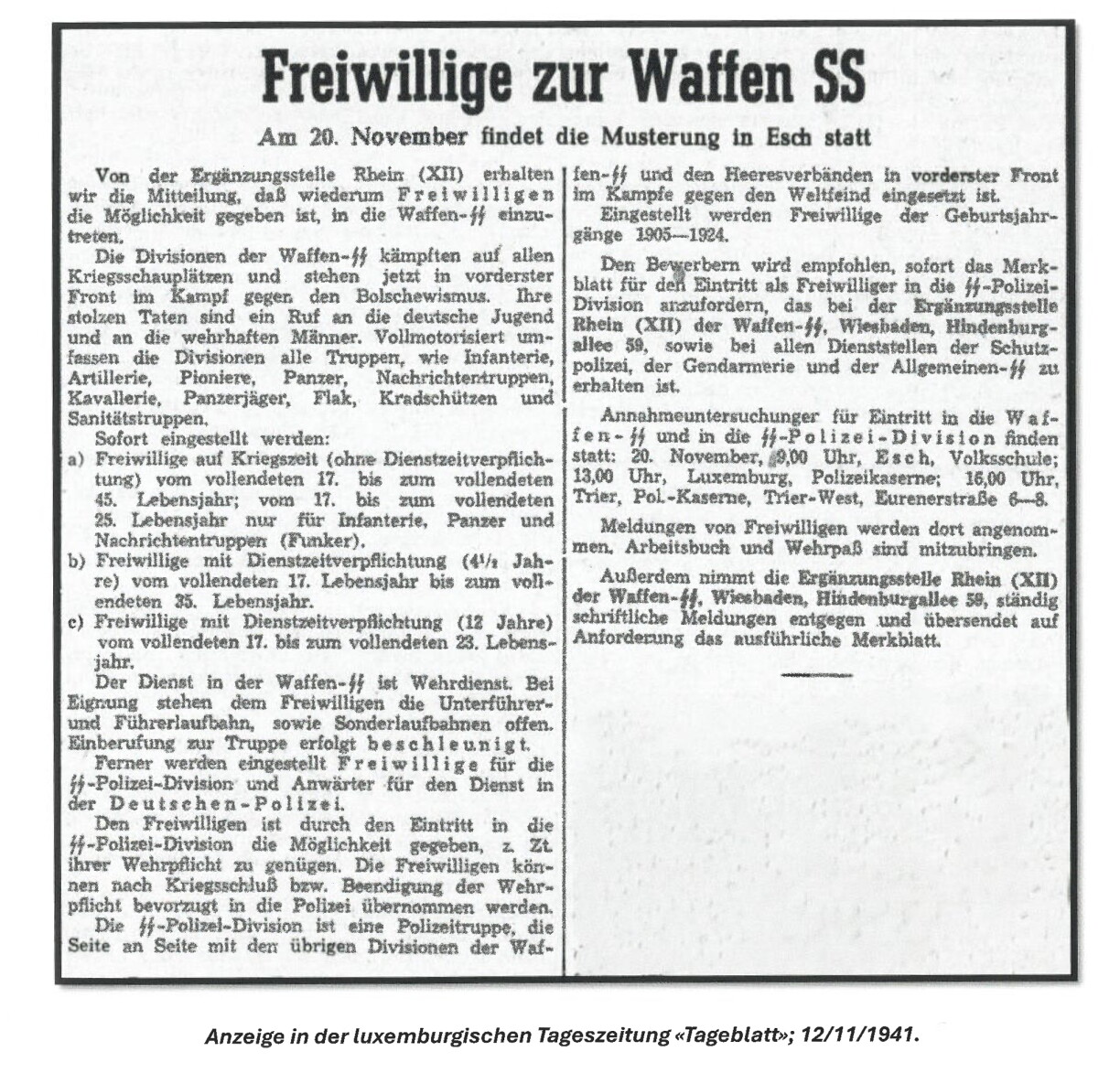
The decision to grant an exemption is not made by the National Archives, but by the competent administration. In the case of trial files, this is the public prosecutor's office, which is generally relatively accommodating.
If an exemption is granted, the documents may be consulted at the National Archives, but they may not be reproduced. The form to request an exemption is available on MyGuichet.lu.
The National Archives would also welcome private documents from the Second World War period from members of the public who wish to donate them.





