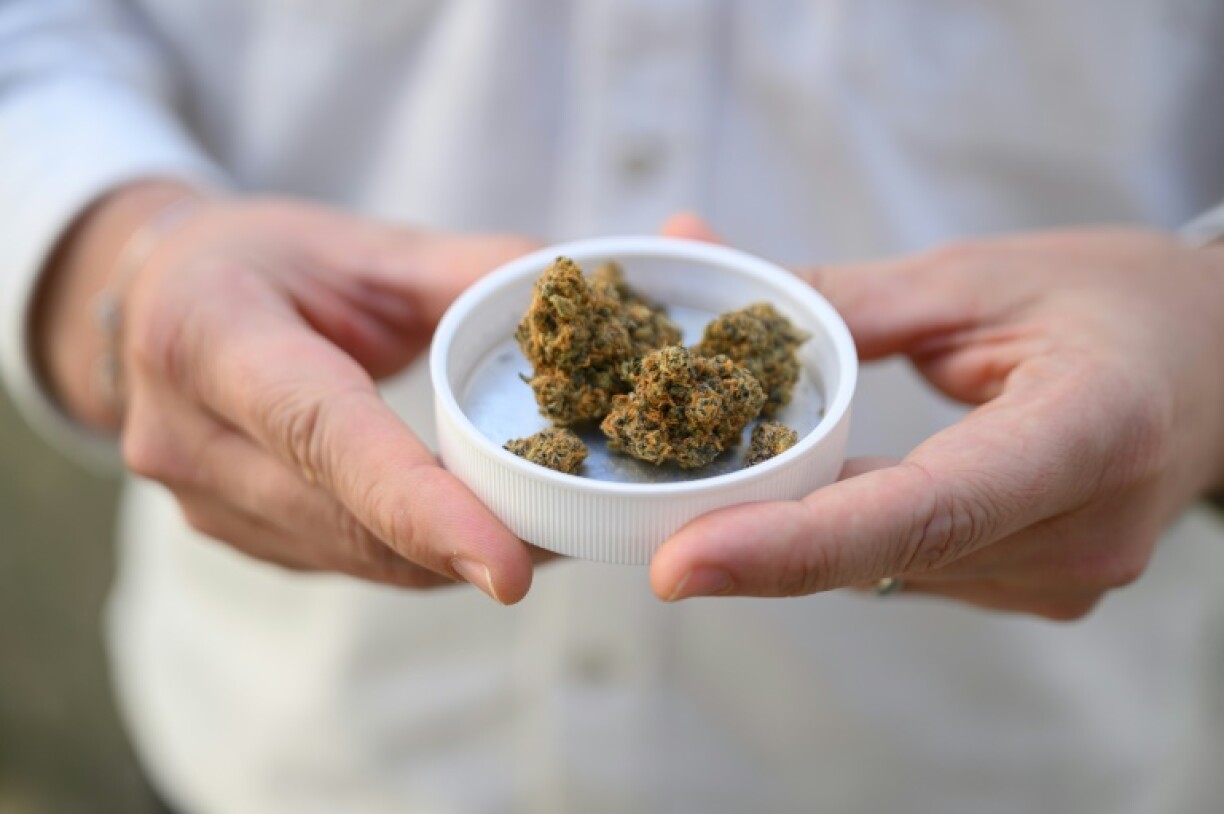
Luxembourg’s medical cannabis scheme was established under the Loi du 20 juillet 2018, which amended the 1973 law on the sale of medicinal substances and the fight against drug addiction.
According to sources from the Ministry of Health and Social Security, the framework allows medicinal cannabis to be prescribed only by doctors who have completed official training. These prescriptions are restricted to patients suffering from serious, advanced or terminal illnesses, or from conditions that cause severe, lasting symptoms which can be alleviated by cannabis-based treatment.
Medicinal cannabis is legally defined and may consist of authorised cannabis flowers and extracts. However, in contrast to regular medications, it can only be dispensed through hospital pharmacies, not local or private ones.
For official information, visit the Ministry’s link here.
The law’s implementation is governed by the Règlement grand-ducal du 21 août 2018, which details:
This regulation has been amended three times since its introduction to clarify aspects such as eligible indications, prescription models, and authorised quantities.
Patients must meet at least one of the following conditions:
At present, medicinal cannabis in Luxembourg is approved for three main indications:
These indications are consistent with international medical guidance and ensure cannabis is used as a last resort therapy when conventional treatments have failed.
Patients must consult a trained medical specialist who can determine eligibility and issue a prescription using a special controlled form.
Dispensing is restricted to four hospital pharmacies:
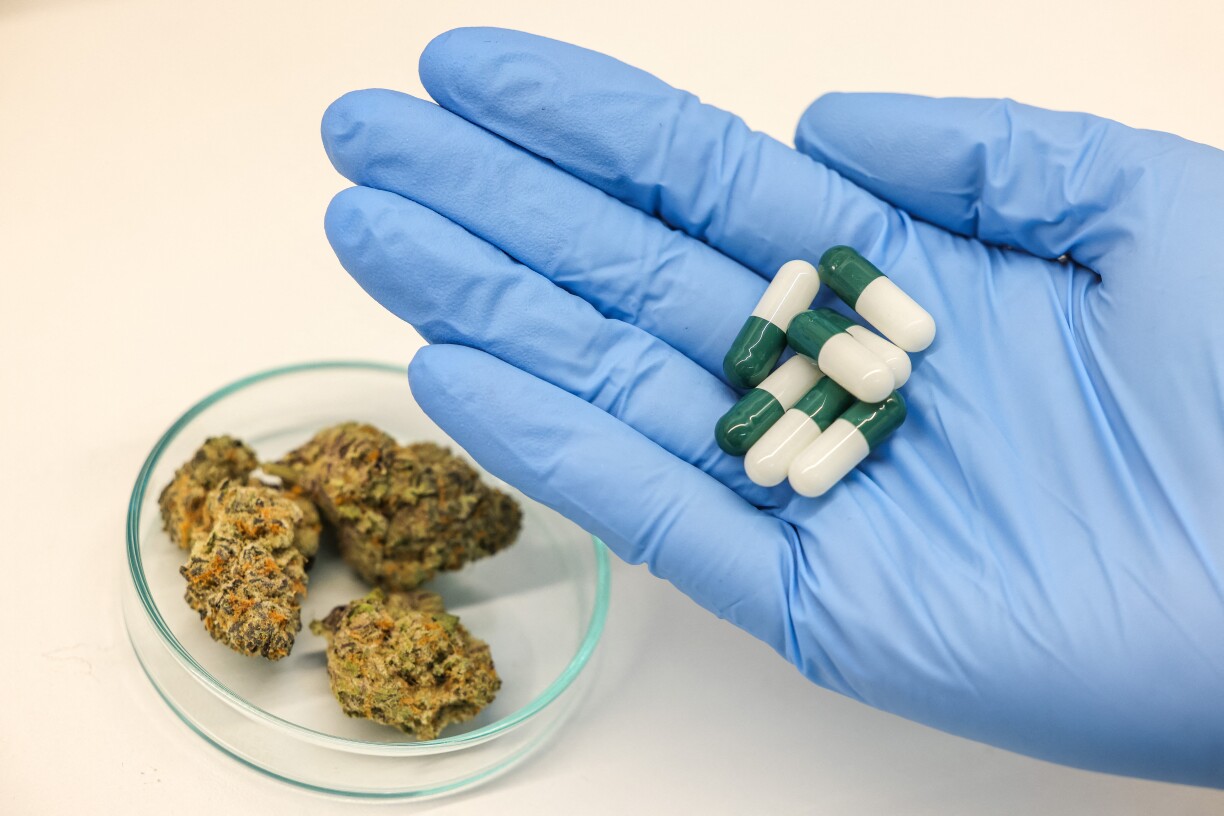
Patients should contact one of these pharmacies directly to arrange collection.
More information can be found in the Ministry’s brochure here.
While the brochures may not yet reflect the most recent adjustments, most of the information remains valid, according to the Ministry.
Recent updates to Luxembourg’s medical cannabis programme, announced in 2024 and applied in January 2025, introduced several safety-driven changes.
The maximum authorised quantity of cannabis flowers per 28-day period was reduced from 100 grams to 60 grams, and high THC cannabis varieties were discontinued.
These changes aim to improve safety and consistency for patients by minimising potential psychoactive side effects.
“The adjustments demonstrate the government’s commitment to balancing access and safety, ensuring that medicinal cannabis remains available to those in genuine need, without compromising public health,” a Ministry spokesperson said.
At present, no further changes are planned, though the Ministry continues to monitor developments in medical and scientific research.
Doctors who wish to prescribe medicinal cannabis must complete a specialised training programme. This course, defined by regulation, covers:
Only doctors who have successfully completed this training may prescribe cannabis-based medicines.
Driving under the influence of cannabis in Luxembourg is treated as a serious criminal offence, governed by a strict zero-tolerance approach. The legal threshold for tetrahydrocannabinol (THC), the psychoactive compound in cannabis, is set at 1 nanogram per millilitre of blood, meaning that even minimal traces can lead to prosecution.
Offenders face penalties ranging from eight days to three years in prison and fines of €500 to €10,000, alongside potential driving-licence suspension or revocation. Police carry out random roadside checks and can request blood tests if cannabis use is suspected.
These rules apply equally to recreational and medicinal cannabis users, even when treatment has been prescribed legally under medical supervision. Experts caution that THC can remain detectable long after consumption, so patients undergoing treatment should avoid driving during or after cannabis use. The government’s stance underscores Luxembourg’s commitment to maintaining public safety and legal clarity while balancing the rights of medical cannabis patients.
Medicinal cannabis in Luxembourg is dispensed exclusively through hospital pharmacies, ensuring controlled access and preventing diversion. The system allows for detailed tracking of prescriptions and supplies, supporting pharmacovigilance and evidence-based policy adjustments.
This level of oversight reflects Luxembourg’s cautious, health-first approach to cannabis-one that prioritises patient well-being and the integrity of the healthcare system.
Luxembourg’s medical cannabis programme remains deliberately limited in scope. While it offers relief to patients with specific, severe conditions, it does so under strict medical and legal safeguards.
The Ministry of Health and Social Security has emphasised that the programme’s structure, though narrow, is designed to ensure safe and equitable access while maintaining public health standards.
For official information and updates, visit the Ministry’s website here





