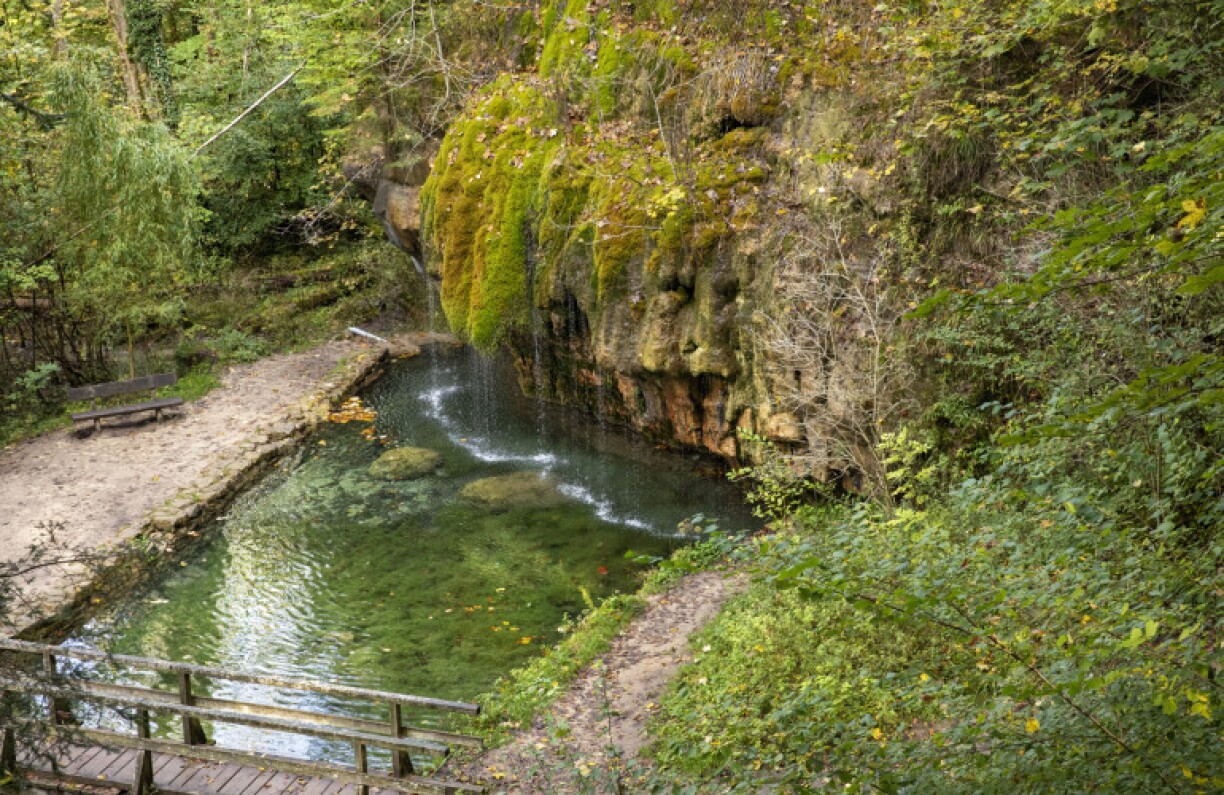
Spring not only heralds the return of nature but also the start of Luxembourg's tourist season. This year, the summer campaign "Lëtzebuerg, dat ass Vakanz" ("Luxembourg, that’s a holiday") officially launches the weekend after Easter, with a focus on outdoor activities.
Classic attractions such as Parc Merveilleux in Bettembourg, Vianden Castle, the Casemates, and the Mullerthal region remain popular sights. Meanwhile, new offerings aim to attract both tourists and residents.
Traditionally, Luxembourg's tourist season runs from April to September. However, autumn and winter also see significant activity, accounting for one-third of annual visitors. In 2024, the Grand Duchy welcomed approximately 1.5 million visitors, according to Sebastian Reddeker, CEO of Luxembourg for Tourism.
These visitors generated 3.6 million overnight stays, a figure Reddeker called "a really good year" for the sector. Though tourism employs around 40,000 people – a modest share of the economy – he emphasised its importance. On average, tourists spent €190 per night during their stays.
The "Lëtzebuerg, dat ass Vakanz" campaign will debut on Place d'Armes in Luxembourg City the Friday after Easter, with information booths showcasing attractions nationwide.
Reddeker also highlighted two major 2025 events: Luxembourg Urban Garden (LUGA), a green initiative running from May through autumn in Luxembourg City and Ettelbruck, and the 40th anniversary of the Schengen Agreement, which Reddeker noted holds symbolic value, reinforcing Luxembourg's image as an open, European-minded destination.
Each year, Luxembourg's summer tourism campaign adopts a different theme. Following 2024's cultural focus, 2025 will highlight nature-based activities – a segment that has grown in popularity since the Covid-19 pandemic, according to Reddeker. To meet demand, authorities have expanded outdoor offerings.
Beyond LUGA and the 40th anniversary of the Schengen Agreement, this year's campaign will promote Luxembourg's enhanced hiking trails, which have received significant government investment. The country's culinary experiences and historic castles – both enduring visitor favourites – will also feature prominently in the promotional efforts.
Reddeker noted that 65% of tourists prefer hotels, while 20% opt for campsites. Luxembourg continues to invest in camping infrastructure to broaden its appeal.
Additionally, several new hotels will open in 2025, aiming to enhance capacity and attract more visitors.





