The southernmost of the Baltic states is rich in culture, history and nature, while boasting a dynamic and open society that does not forget the past but carries it into the present.
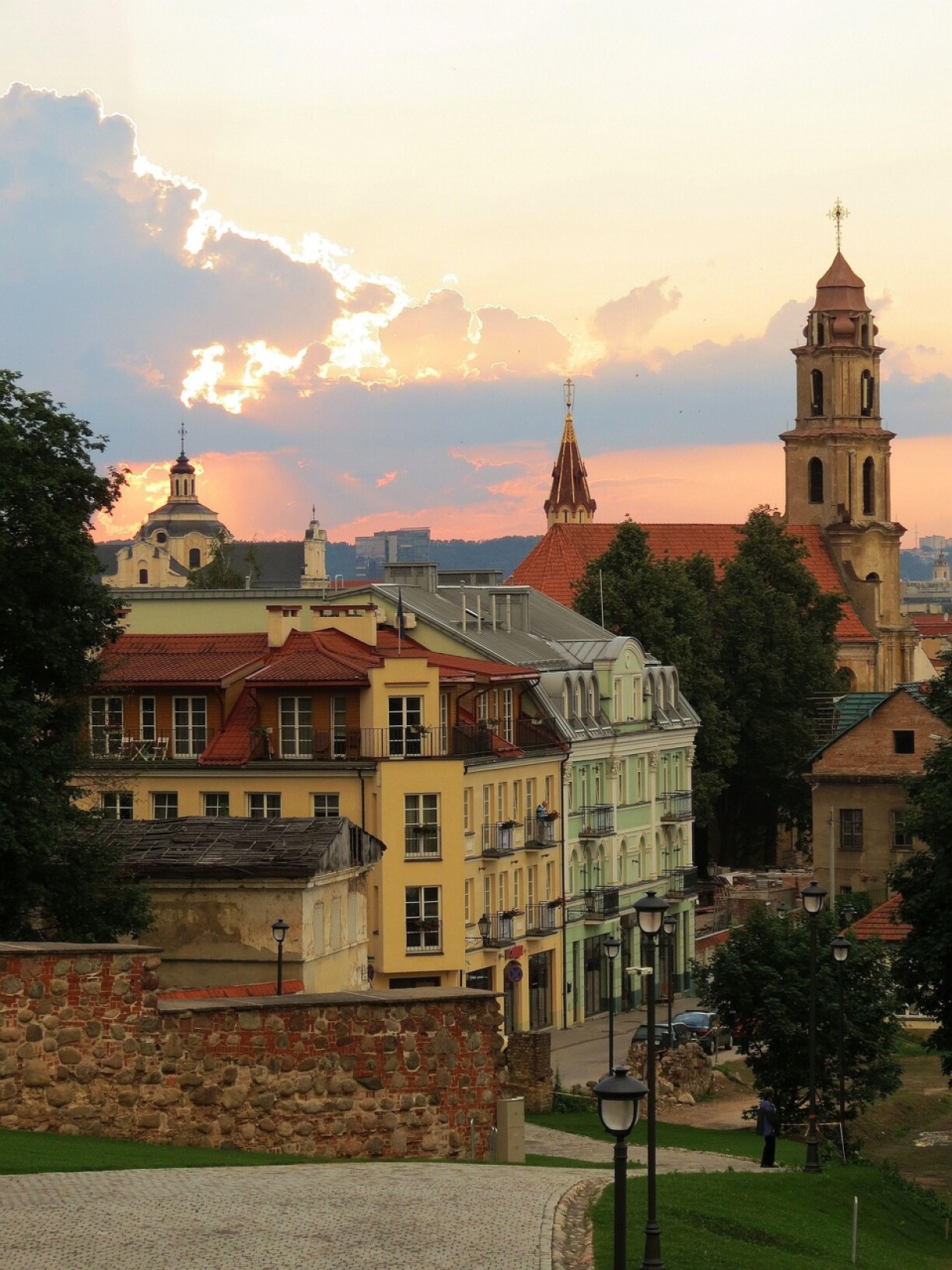
Vilnius is known for its large old town, listed as UNESCO World Heritage. The many churches, colourful façades, and historic streets tell the story of a country between East and West. At the same time, the city reflects the young and modern side of Lithuania, with cafés, galleries, and street art shaping its image.


A notable district is Uzupis, a creative 'republic' with its own constitution, founded by artists and considered a mini-nation within the city.
Lithuania offers a range of peaceful natural escapes. The Curonian Spit, a narrow stretch of coast between sea and lagoon, stands out with its sand dunes and forest landscapes, often compared to northern Sylt or France’s Atlantic beaches, though more remote.
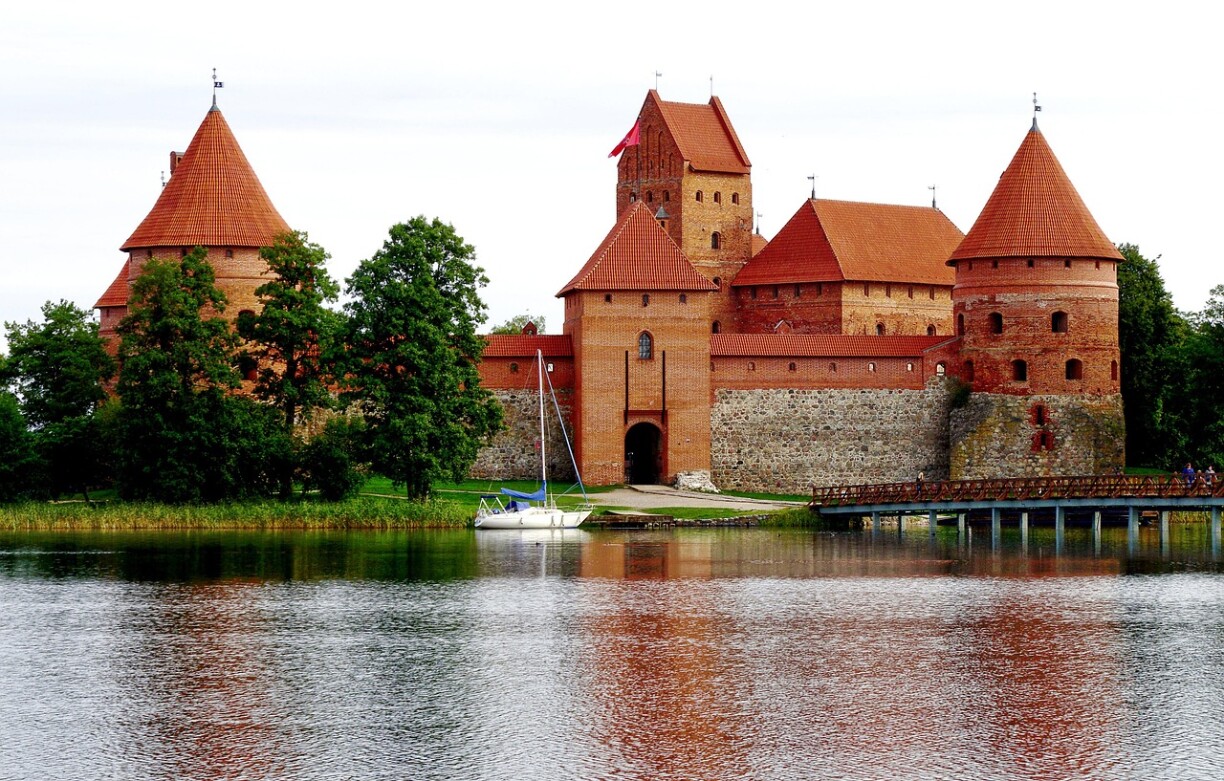
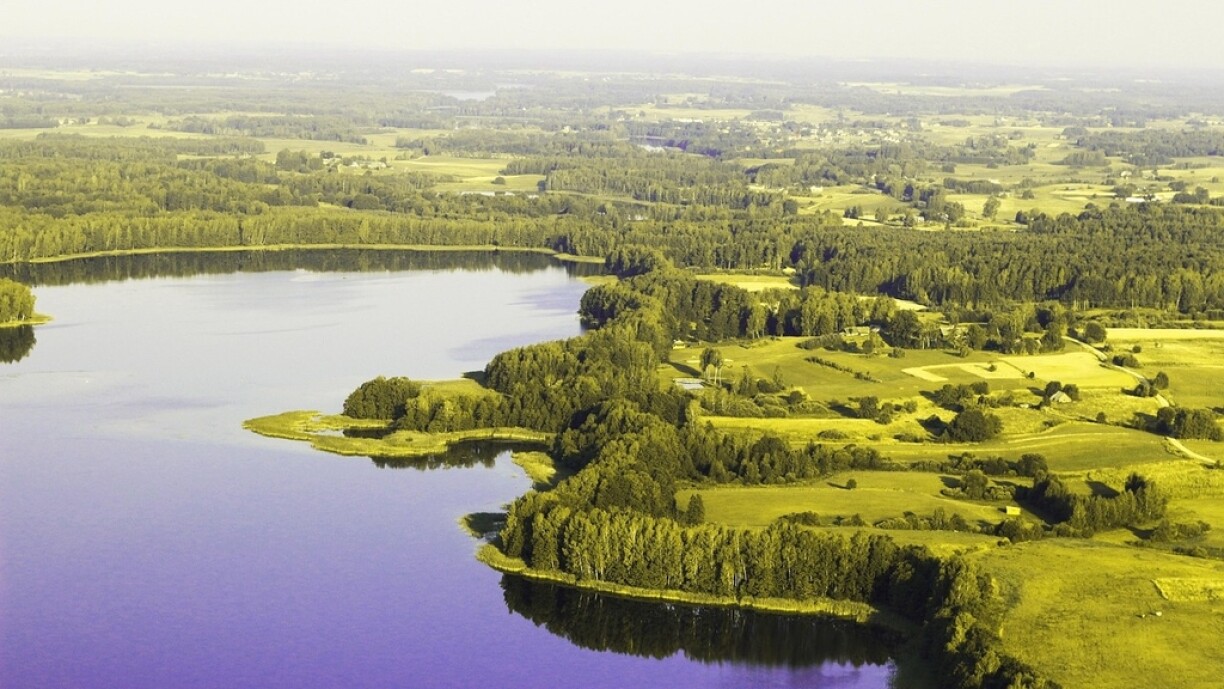
The lakes, such as Trakai with its castle on the water, provide a mix of nature, history, and leisure. From kayaking and walking to simply relaxing, there is something for everyone.
Lithuania’s long and difficult history includes its time as part of the Lithuanian-Polish kingdom, centuries under Russian rule, and independence regained only in 1990. The KGB Museum in Vilnius and the Paneriai memorial site make this past tangible.
Cultural events also play a key role, such as the Song and Dance Festival, which gathers thousands every few years and remains central to Lithuanian identity. It is a tradition that lives on beyond tourism.
Lithuanian cuisine is defined by hearty regional products. Cepelinai, potato dumplings filled with meat or cheese, are a traditional dish. Saltibarščiai, a bright pink beetroot soup served cold in summer, is refreshing and typically accompanied by sour cream and potatoes.
The country’s beer culture is also notable, with microbreweries and local varieties making a visit to a bistro a memorable experience.
Lithuanians are regarded as honest, reserved, yet helpful and respectful. Once in conversation, they are keen to share their culture and local advice.
Visitors are often pleasantly surprised by the space. Even in summer, cities remain uncrowded and nature continues to offer a haven for relaxation.
Lithuania is a destination for those in search of something different: not overcrowded, but authentic. A mix of old-world charm and youthful energy, balancing traditional calm with new ideas.
https://www.rtl.lu/radio/vakanzendestinatiounen
Alternative getaways (1): Andorra – small country, big adventures
Alternative getaways (2): Slovakia – nature, culture, and enjoyment in the heart of Europe
Alternative getaways (3): Albania – authentic, unspoilt, and turquoise waters
Alternative getaways (4): Moldova – wine, culture, and hidden treasures
Alternative getaways (5): Poland – cultural treasures, hearty cuisine, and natural beauty
Alternative getaways (6): Liechtenstein – extraordinary nature and culture in just 160 km²
Alternative getaways (7): North Macedonia – the hidden gem of the Balkans
Alternative getaways (8): Belgium – more than shopping and beaches
Alternative getaways (9): Romania – welcome to Count Dracula's?!
Alternative getaways (10): Malta – Mediterranean island with old-world charm





