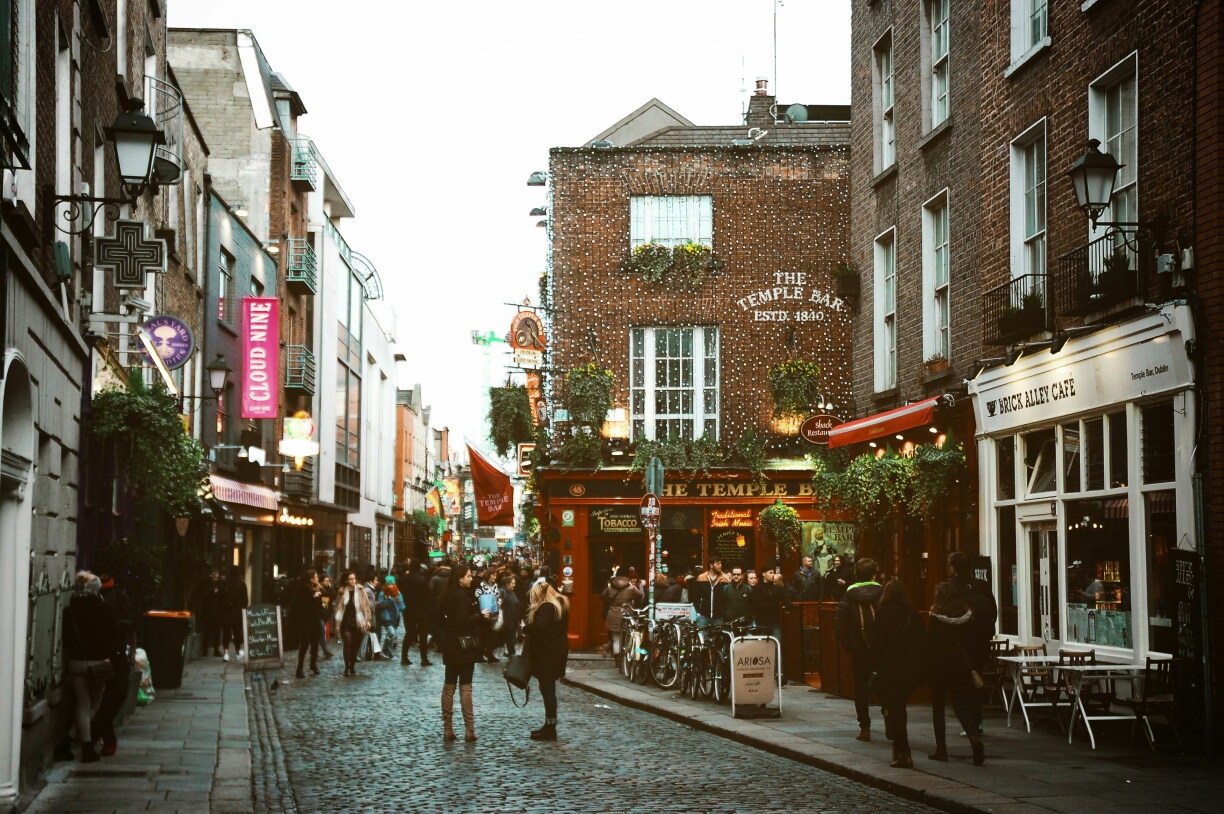
Dublin is a captivating capital celebrated for its vibrant pub culture, rich history, and an array of attractions that draw visitors from all around the world. Framed by scenic waterfronts and natural beauty, the city also presents a perfect balance between cosmopolitan energy and coastal charm, making it the perfect destination for any kind of traveller, from culture seekers to nature enjoyers.
Dublin was founded by the Vikings in the 9th century and later became a major centre of British rule in Ireland. Over time, it grew into a hub of political, cultural, and literary significance, playing a key role in Ireland’s path to independence in the early 20th century. Today, its layered past is visible in everything from medieval streets to Georgian squares.
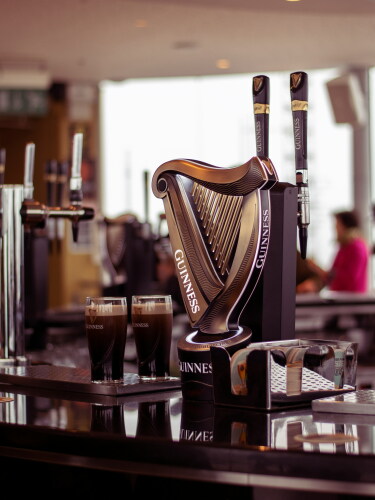
Compared to other European capitals, Dublin is rather small, with a population of just over one million in its greater area. This intimate atmosphere is also noticeable in Irish people, who are known to be extremely friendly and welcoming. Don't be weirded out if a random stranger starts a conversation with you on the street. If you're in a pub, you can almost be sure to be addressed by someone, or bought a pint!
Compared to other European capitals, Dublin is relatively compact, with just over a million residents in its greater metropolitan area. This intimate scale is reflected in the warmth of its people, who are famously friendly and welcoming.
Don’t be surprised if a stranger strikes up a conversation on the street. In a pub, it’s almost a given that someone might chat with you – or even buy you a pint!
As a student who has the chance to study in this city, the kindness and openness of the Irish people is one of its main attractions, which you absolutely have to experience for yourself.
By plane
Flying is the quickest option from Luxembourg, with direct flights taking around two hours to Dublin Airport. From there, buses and taxis can get you into the city centre in about 20–30 minutes.
By car and ferry
Driving involves a longer journey through France or Belgium and a ferry crossing from the UK or France to Ireland. While time-consuming, it offers scenic views and flexibility.
By train and ferry
You can combine trains and ferries via London, though this is more of an adventure than a quick trip.
Dublin's public transport system operates entirely above ground and includes an extensive bus network, two tram lines known as the LUAS, and commuter trains that connect the wider metropolitan area efficiently.
While the system is generally reliable, buses can be inconvenient for visitors as they require exact change in coins. A more practical alternative is the Leap Visitor Card, which is intended for visitor and can be used across buses and the LUAS.
There are three different options depending on the length of your stay, either 1 day (€8), 3 days (€18), or 7 days (€24), giving you unlimited public transport access in Dublin. Those can be purchased in selected stores and Spars. More information on the Visitor Card can be found here.
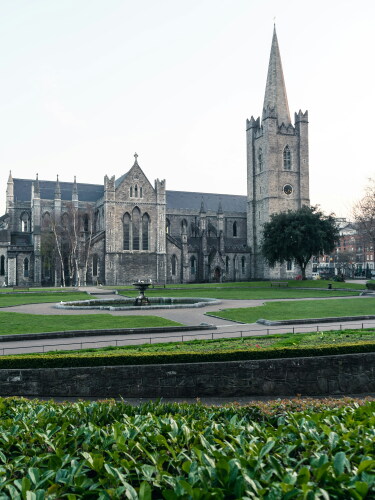
Dublin offers many activities and sights for any visitor.
Beyond Guinness, Ireland is known for its comfort food, steak, and spicebags.
With its rich history and warm-hearted people, Dublin offers an unforgettable experience for every visitor. Whether you come for the culture, the food, or the famous pub scene, one thing is certain: Dublin will leave a lasting impression on anyone.





