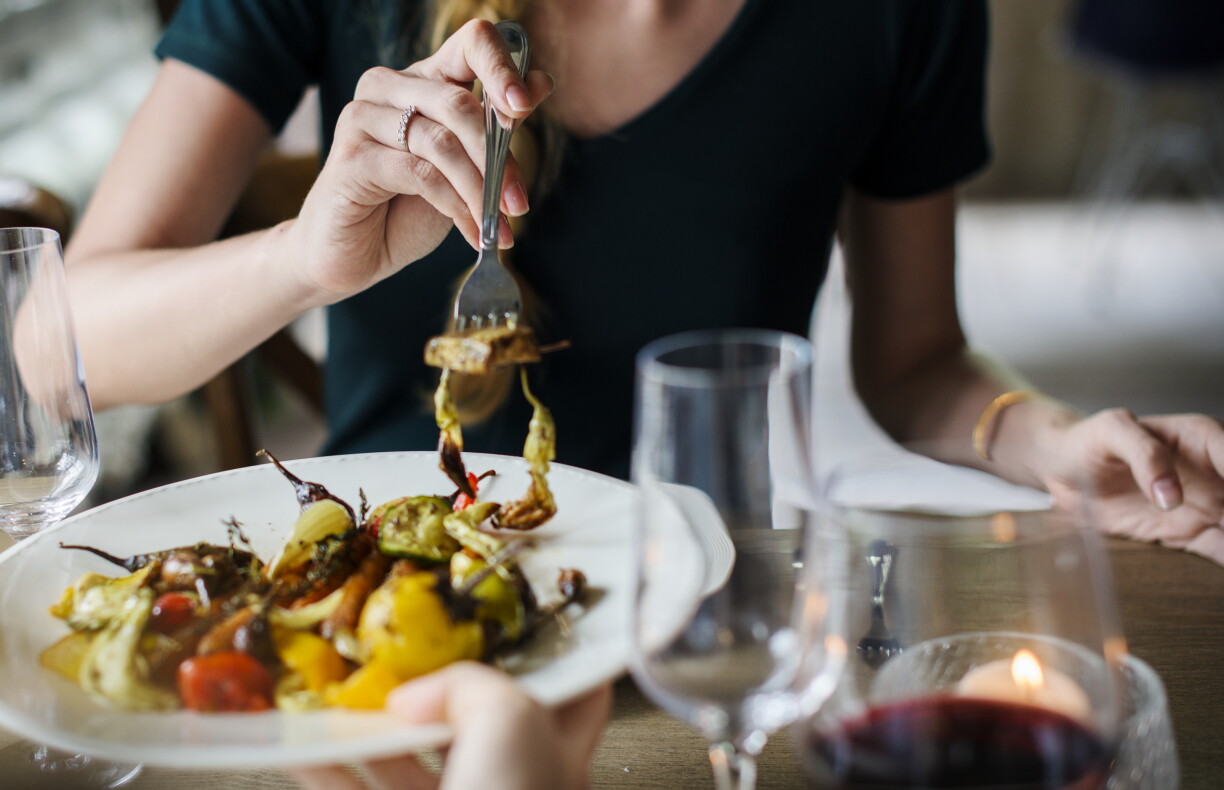
People have never been more digitally connected yet more people are eating alone than ever before. One startup founder in Luxembourg believes the answer is not another social network, but dinner with a stranger.
Eat No Solo, a new app recently launched in Luxembourg and parts of Germany, aims to bring strangers together for spontaneous meals or drinks in public places, without the swiping and endless messaging associated with social media platforms. "Eat No Solo is anti-social media", says Zila Shniderman, the startup founder.
Shniderman recalls a conversation with a friend in Berlin after the pandemic. "He told me he sometimes skips meals for days because he doesn't have anyone to share a meal with", she explains. That conversation prompted her to research loneliness and changing social habits.
Studies have shown that loneliness has risen sharply in recent years, particularly after the Covid-19 pandemic. Despite social media promising greater connection, experts argue digital interaction often replaces, rather than strengthens, real-world relationships.
The data is striking: research from the Diva-Portal Open Access Repository found that European adults who regularly eat alone were more than six times as likely to report feelings of loneliness compared with those who share meals.
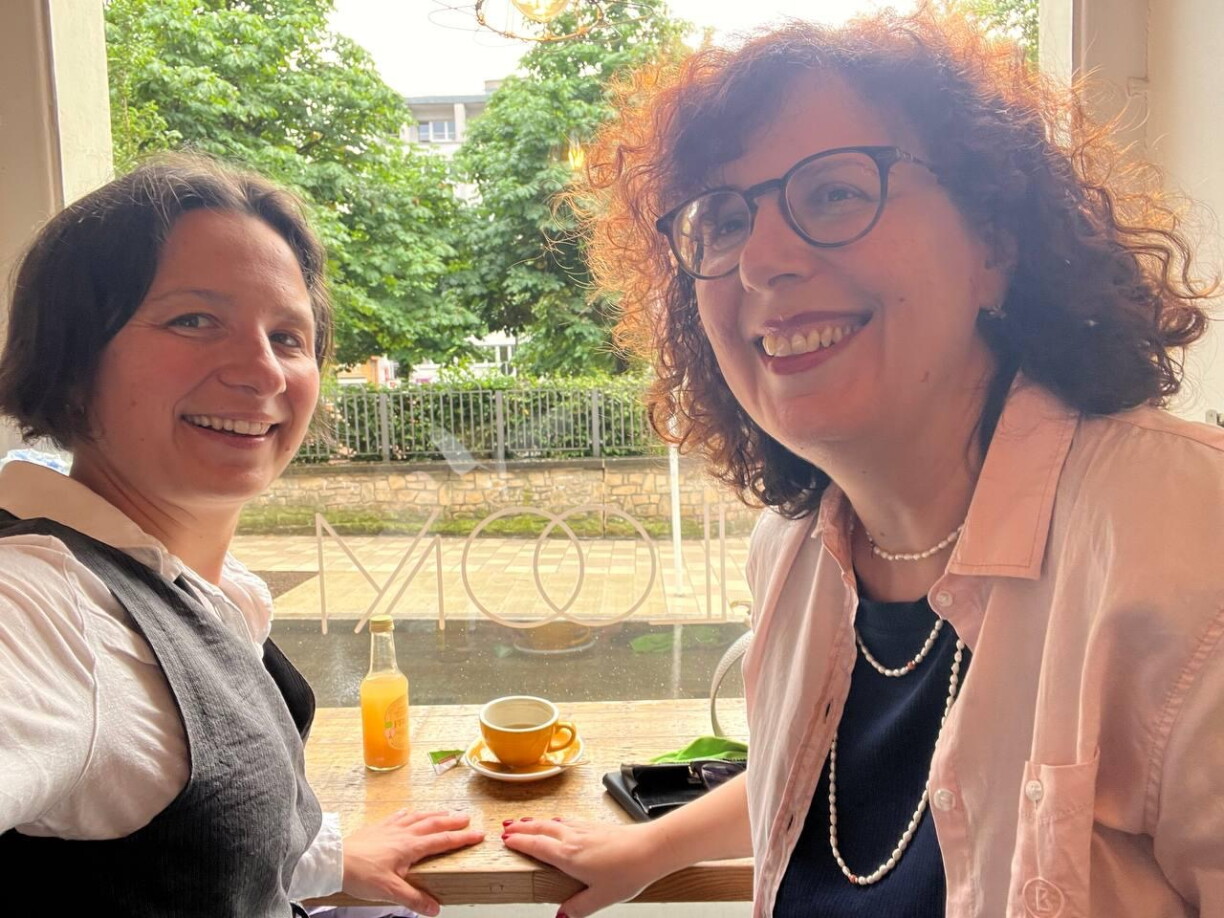
This phenomenon manifests in unexpected ways. The rise of 'mukbang' videos, in which creators film themselves eating meals for online audiences exemplifies the shift. Originally popularised in South Korea, these videos have evolved into a form of digital companionship, with viewers eating alone while watching someone else dine on screen.
Researchers interpret this as a sign of growing social isolation reflecting the exact problem Eat No Solo aims to solve.
Shniderman believes the issue goes beyond technology and networking. "I love the idea of two strangers sharing a meal and developing a friendship, or simply being open to each other," she says. "It increases values like respect, tolerance and empathy, exactly what our world really needs right now."
Shniderman insists Eat No Solo is not trying to become another dating app. "It's not a dating app, it's for spontaneous meet ups over a meal or glass of chilled beer" she says.
Unlike Tinder or Bumble, users cannot endlessly browse profiles or engage in endless chats. Instead, the app focuses on spontaneous meetings in cafés, restaurants and bars.
Shniderman additionally aims to address concerns about social media addiction . “Tinder is a fantasy app where people search for 'the one,' but there's always someone else to swipe to,' she explains. "That can result in endless doomscrolling."
Her app intentionally removes many such addictive features common in social platforms: no swiping, no long chats, no private meeting arrangements. The app penalises users who repeatedly fail to show up by assigning them a 'ghosting' tag.
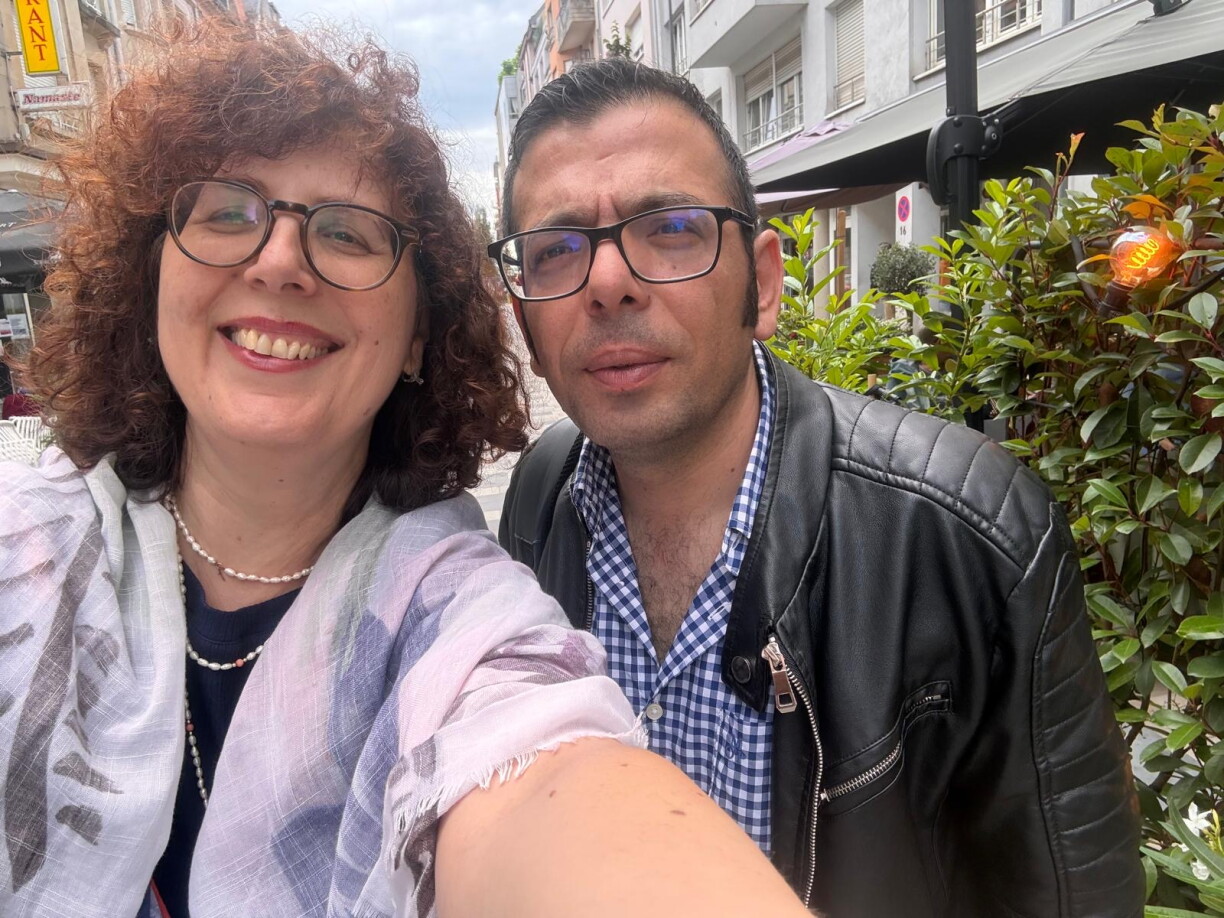
The app also tries to reduce the awkwardness of meeting strangers by matching users through shared interests and languages. "If two people discover they both like hiking and singing and both speak Italian, it doesn't feel like meeting a stranger anymore", she says.
In response to safety concerns around enabling meetings between strangers, Shniderman points to safeguards built into the app.
"There is currently no in-app chatting, although a temporary chat feature designed solely to help users coordinate meetup arrangements is under development and expected to launch in the coming weeks. There's a dark side to messaging, and most people have experienced it. We cut it off and meetings only take place in public venues, never in private spaces."
Luxembourg's international population makes the concept particularly relevant. For years, expats in Luxembourg have described difficulties forming friendships outside work circles. The country's transient nature with people frequently relocating, can make building lasting social networks difficult.
Shniderman believes that it actually works in the app's favour. "No commitments – you can enjoy the moment and say goodbye, or stay in touch."
Shniderman has a deep affection for Luxembourg. "For me, it's like a well-decorated wedding cake – beautiful and delicious", she adds. "That's exactly what the purpose of Eat No Solo is: bringing people together to enjoy a slice of this cake."
So far, most users appear to be international rather than Luxembourgers.
Additional features are already in development. According to Shniderman, the app will soon introduce a "meetup with kids" option, enabling parents to arrange family-friendly meetups.
Users will be able to join as a family or as a single parent with children, while couples can link their profiles and be presented together within the app, whether as partners or friends.
For now, Eat No Solo remains early-stage. Shniderman openly admits the biggest challenge is scale. "If it fails, it would be due to a lack of resources to reach enough people", she believes. And yet, she's clear about her motivations. This is a passion project, not a quick-profit venture: "I didn't wake up one morning with an idea to get rich."
The rise of 'friendship apps' highlights a broader shift in how people approach social interaction. Where previous generations relied on neighbourhoods, workplaces or community organisations to meet people organically, younger generations increasingly turn to technology to facilitate even basic social contact.
But critics argue technology itself helped create the problem in the first place.
Whether Eat No Solo can scale remains uncertain. Yet its emergence raises a critical question for the tech industry: can the same digital tools that isolated us also reconnect us?





