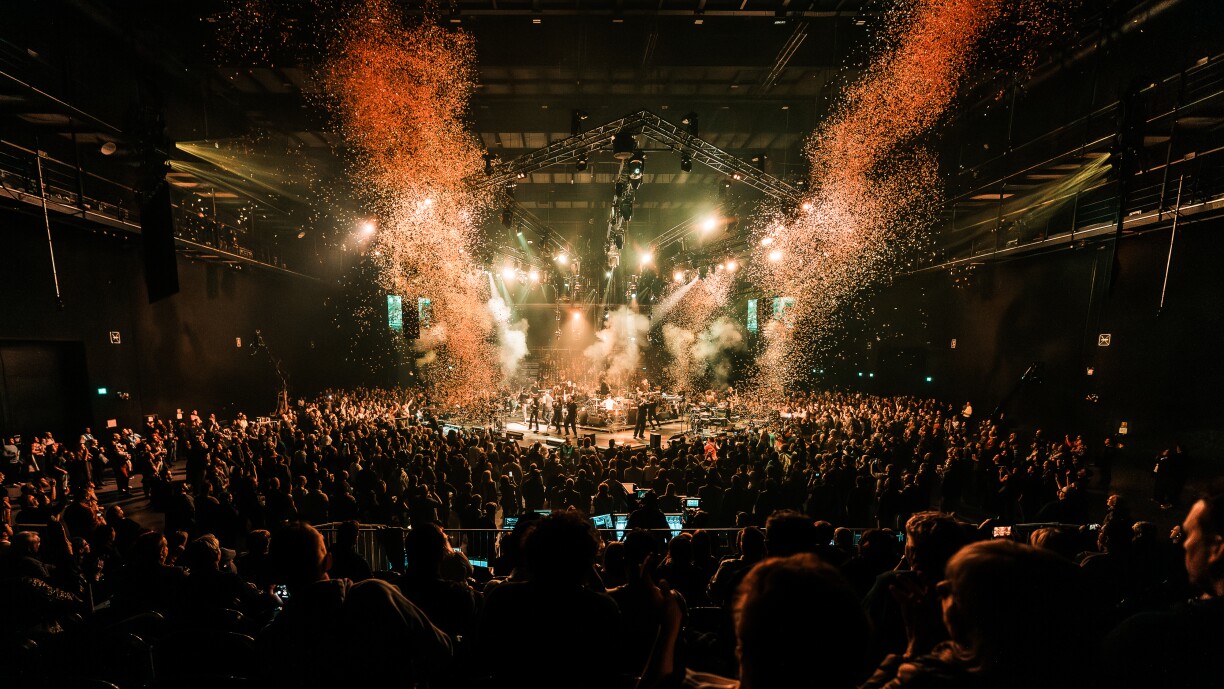
"We are a public institution, which means that we don't just do business, we also do cultural enrichment and cultural diversity," said Olivier Toth, CEO of Rockhal. "If I had to tell you who our audience is? The answer would probably be everyone."
The origins of what we today know as Rockhal took place hard and fast. There was a building just being completed. There was a small team of five. And there was a great ambition to develop a new space for live music in Luxembourg.
“Nobody had ever heard of the venue, or been in the venue,” recalled Toth. “There was no access, no parking, no bus, no train station, nothing.”
On 19 June 2005, Toth and his team presented Rockhal’s first event with two goals: to have people discover a new space that would soon open, and to test the capability and capacity of the building.
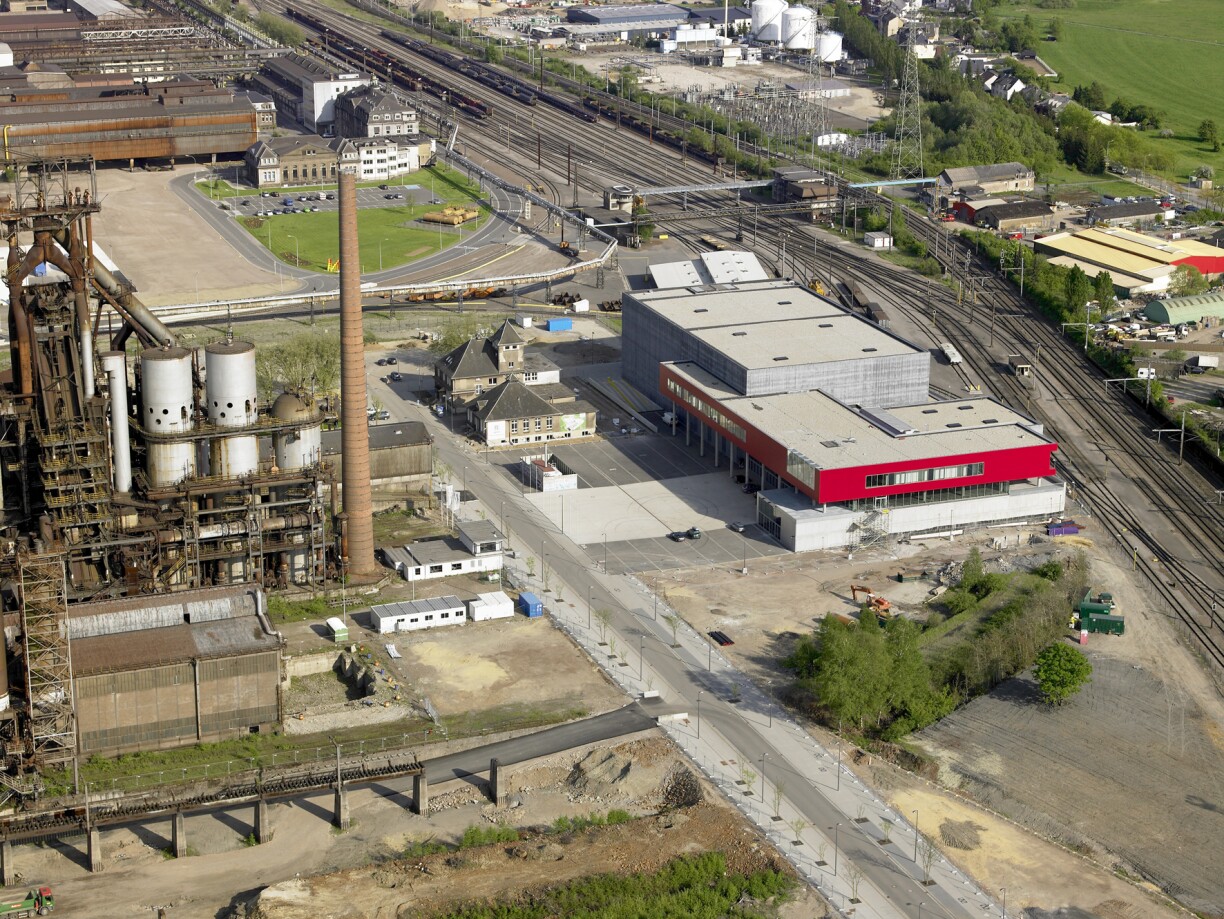
“We knew that some fine-tuning would be needed.” Toth added, “so, in order to find out what we needed to do, well, we had to put on a show.”
Several bands performed in the main room, and uncertain of how many would show up, the team set up a barbeque and a bar outside, which Toth explained was necessary “if you want to be a good host to an unknown number of people.” About 3,000 people turned up.
Three months later and following more work on the space, the grand opening which would span two weeks was announced, headlined by international stadium-fillers Korn and the Prodigy.
“It was incredibly stressful because we had to figure out how to host the 5,400 people that were coming for the Prodigy – and how to host the Prodigy!” Toth said. “And how to host an opening VIP event because obviously it was the grand opening, with ministers, members of parliament, the Grand Duke and his wife were there… so it was a big thing.”
More than twenty years later, the music, the bands, and the crowds have only continued to grow.
From the very start of operations, the Rockhal team says one thing has stayed the same: their commitment to ensuring the enjoyment of both artists and the audience. Beyond a desire to create something special, this goal makes perfect business sense, too.
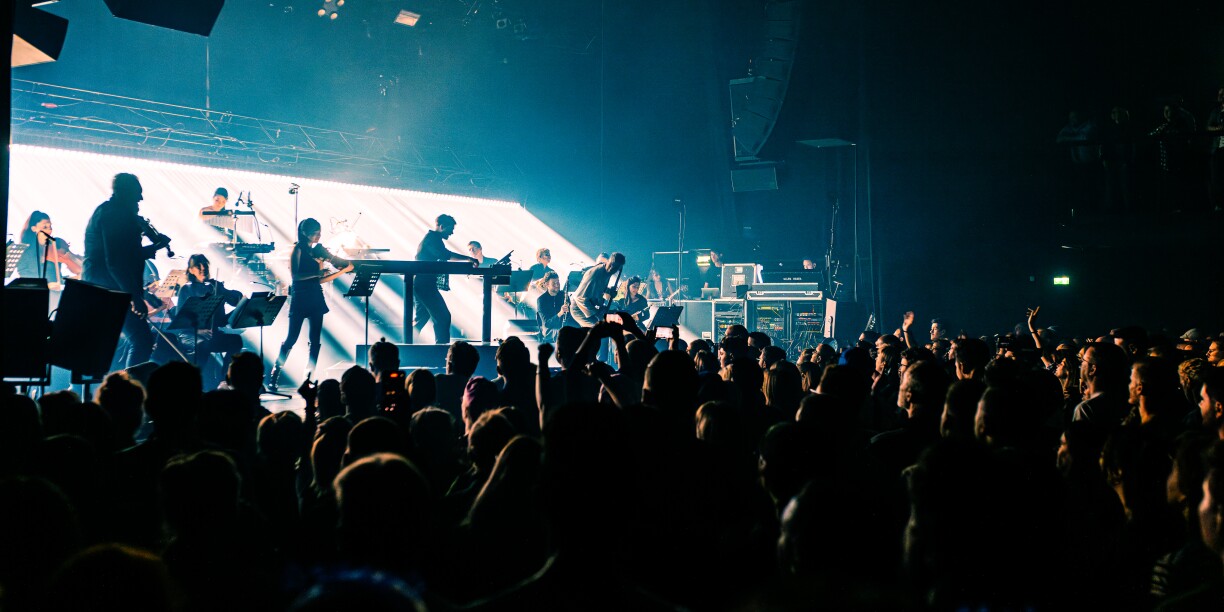
“We would do anything in our power so that every single person leaves Rockhal with a smile on their face, and for a very simple reason,” said Toth. “They will want to come back, and they'll tell their friends too. This is how we figured that we would be able to grow our business, our reputation, and Rockhal.”
Since the space first opened in 2005, the audience has developed and grown with them. Over the first year, about 70,000 people, predominantly from Luxembourg, made up the audience.
Today, Rockhal boasts an annual audience of more than 250,000, with a 50/50 split between Luxembourgish citizens and residents, and those who come from France, Germany and Belgium.
One thing he’s noticed more recently is a small but meaningful percentage of those who come from further afield. “Around 4% come from other countries (including the Netherlands, the UK, Italy, Switzerland, and Austria),” says Toth. “And I'm not saying that's my favourite percentage, but it's definitely one I like because it shows that Rockhal's reputation goes beyond the borders of these four countries.”
“We like to think that it's a big compliment to what we do and to the position that Luxembourg has taken on that international landscape of live entertainment.”
These days, Rockhal has, despite its name, grown to include many more genres in its repertoire, too. “[According to] the latest data that we've collected, we serve around 14 different genres, including family entertainment, including comedy,” said Toth. “We started investing in hip-hop when there was no hip-hop in Luxembourg at all, or almost none. And today it's become one of the dominant genres at the Rockhal.”
Audience and genres aside, its promoters have grown and developed too. “Today, we have promoters from France, Belgium and Germany. who come work at the Rockhal and put on shows here, just because they see that that show over here will be different from when they promote in their home territory. They bring us events that they take a risk on. And we want them to be as successful as possible.”
Beyond developing their existence and prominence as a music venue and cultural space, Rockhal has another specialty they say is rarely, if ever, seen anywhere else: Rocklab.
“We wanted to innovate, to promote our scene,” said Toth. “We wanted to basically take from the international experience that we could get, and make the Luxembourgish scene benefit from that.”
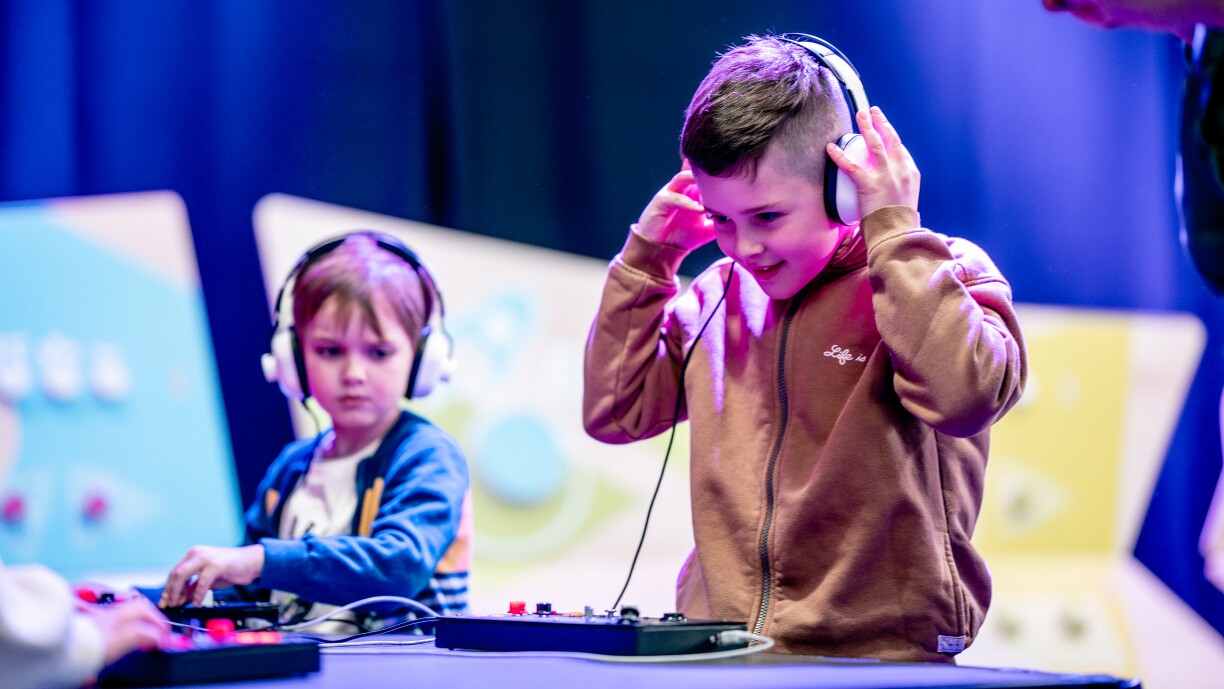
An ecosystem dedicated to artists, Rocklab opened shortly after Rockhal and caters to all ages: programmes for kids as young as five, and those that are interesting for parents, too.
“If they can come to an event with their kids, that's good fun,” said Toth. “And the kids are going to be the audience of tomorrow – so it's really something where we try to be active on a lot of different levels.”
Toth, a founding member of initiatives such as music:LX (Luxembourg’s music export office) Liveurope, and INES - Innovation Network for European Showcases, is also the president of the European Arenas Association. His mission has always been to open doors for emerging artists and allow cross-border shows with a lower risk for artists.
“I think [Rocklab] also makes an interesting mix for international artists who want to be interested in what's happening locally,” he said. “It's also a place where you can discover creativity and music, and how music is made in the amplified world.”
Ultimately, the Rockhal team sees other event spaces as colleagues rather than competitors. “There’s a higher goal than potential competition,” Toth said. “To put Luxembourg on the map.”
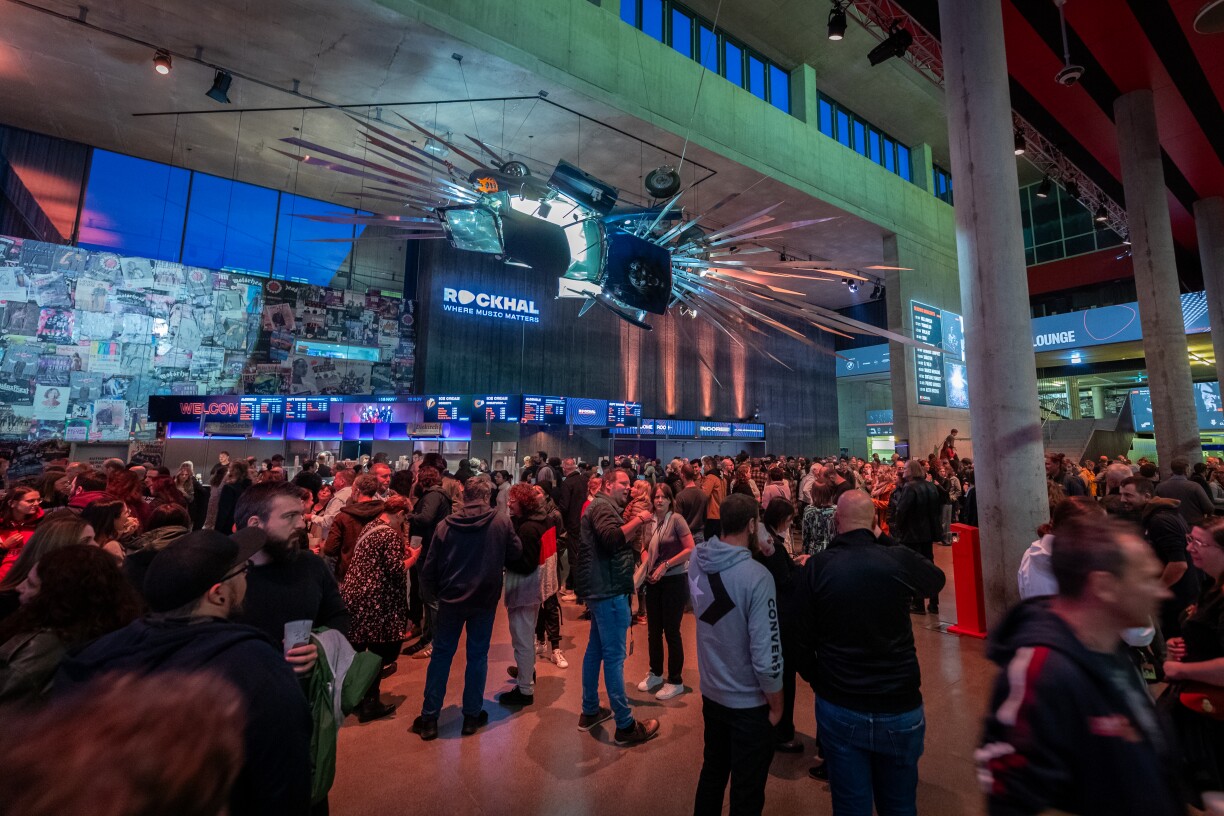
Beyond the recent reopening of Rockhal Café, ambitious upcoming projects include a new 100-capacity premium bar in the foyer which opened in 2026, where concert-goers can enjoy drinks before, during or after the show, and order food from Rockhal Café.
More accessible seating is also coming to Rockhal in 2027.
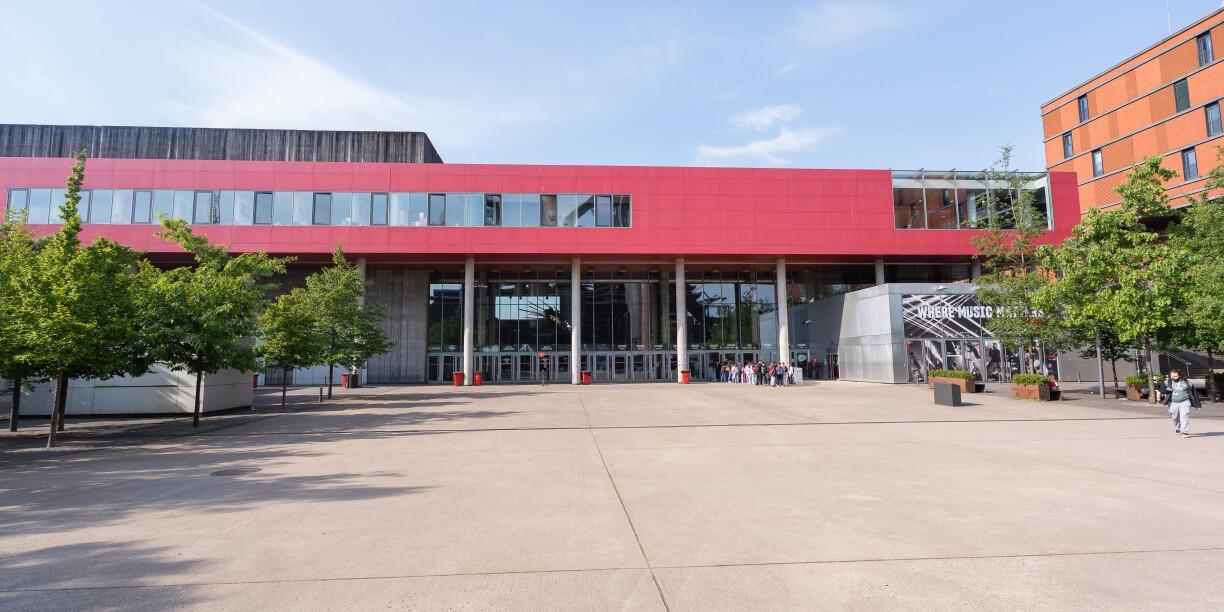
“We want to build a seated balcony in the main hall, adding seated capacity to every show, giving us also the flexibility to combine this seated capacity to premium packages or not,” said Toth. Beyond increasing the capacity of the concert hall, it also diversifies the audience. “We know that right now there are some people who can't come, just because we don't have seats,” Toth said. “By adding seats on a regular basis, we will have the possibility to not decrease the capacity in the room downstairs while still having high quality seating in the venue.”
What it all boils down to: making music and live concerts a part of everyday life in Luxembourg. “I think concerts have become a bigger part of people's lives all over Luxembourg and the neighbouring regions,” Toth said. “People want to discover music – and we want to make it as accessible as possible.”





