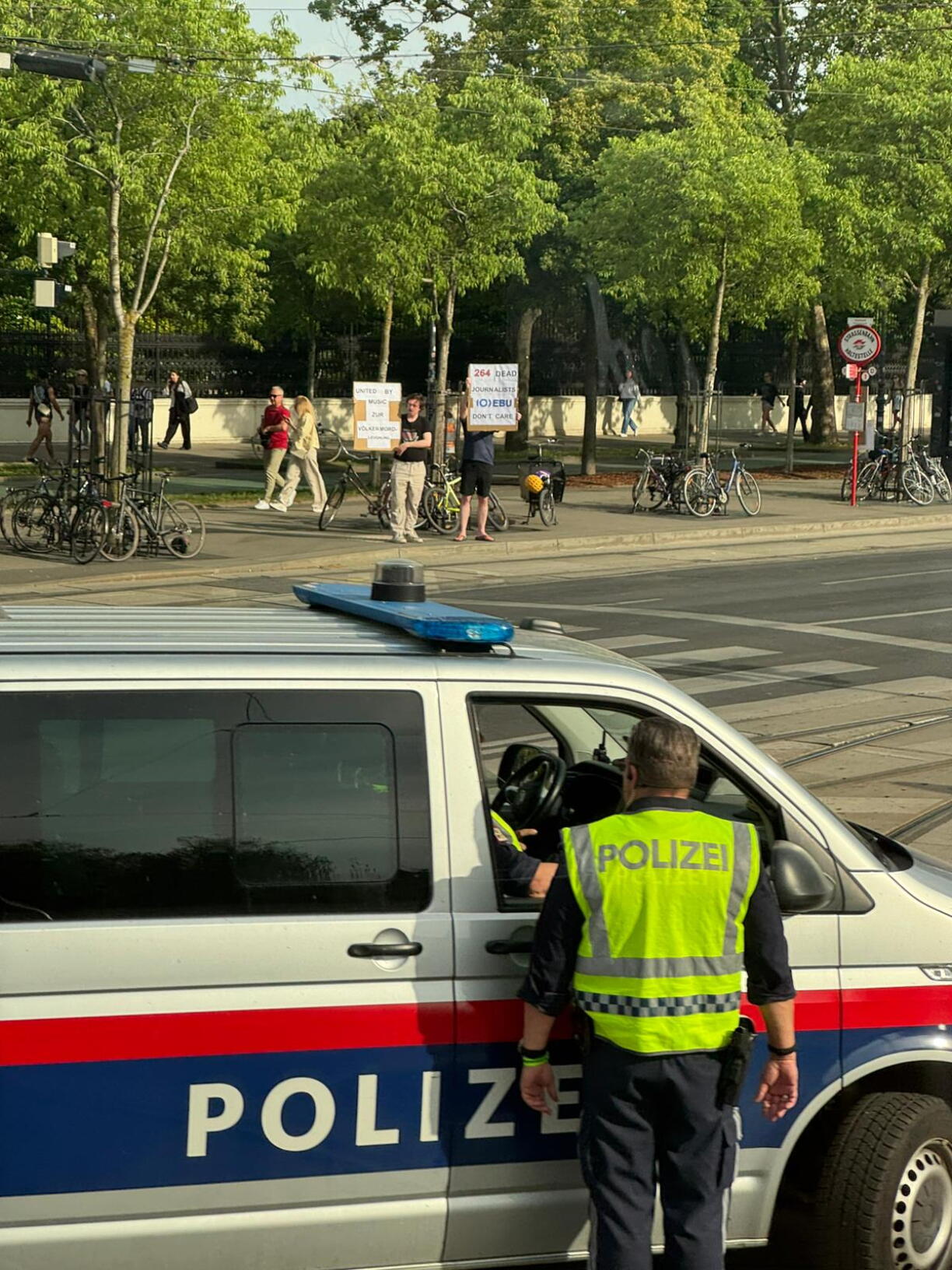
While an estimated 150 million viewers are expected to watch the Eurovision final on Saturday, a growing number of voices are also calling for a boycott.
"There was less booing this year than last year," RTL commentator Raoul Roos noted during the first semi-final, after Israeli singer Noam Bettan left the stage. Still, shouts of "Stop Genocide" could be clearly heard. As in previous years, many are criticising Israel's right to participate in the contest. This year, five countries – Slovenia, Spain, the Netherlands, Ireland, and Iceland – withdrew from the Eurovision Song Contest in protest over Israel's involvement.
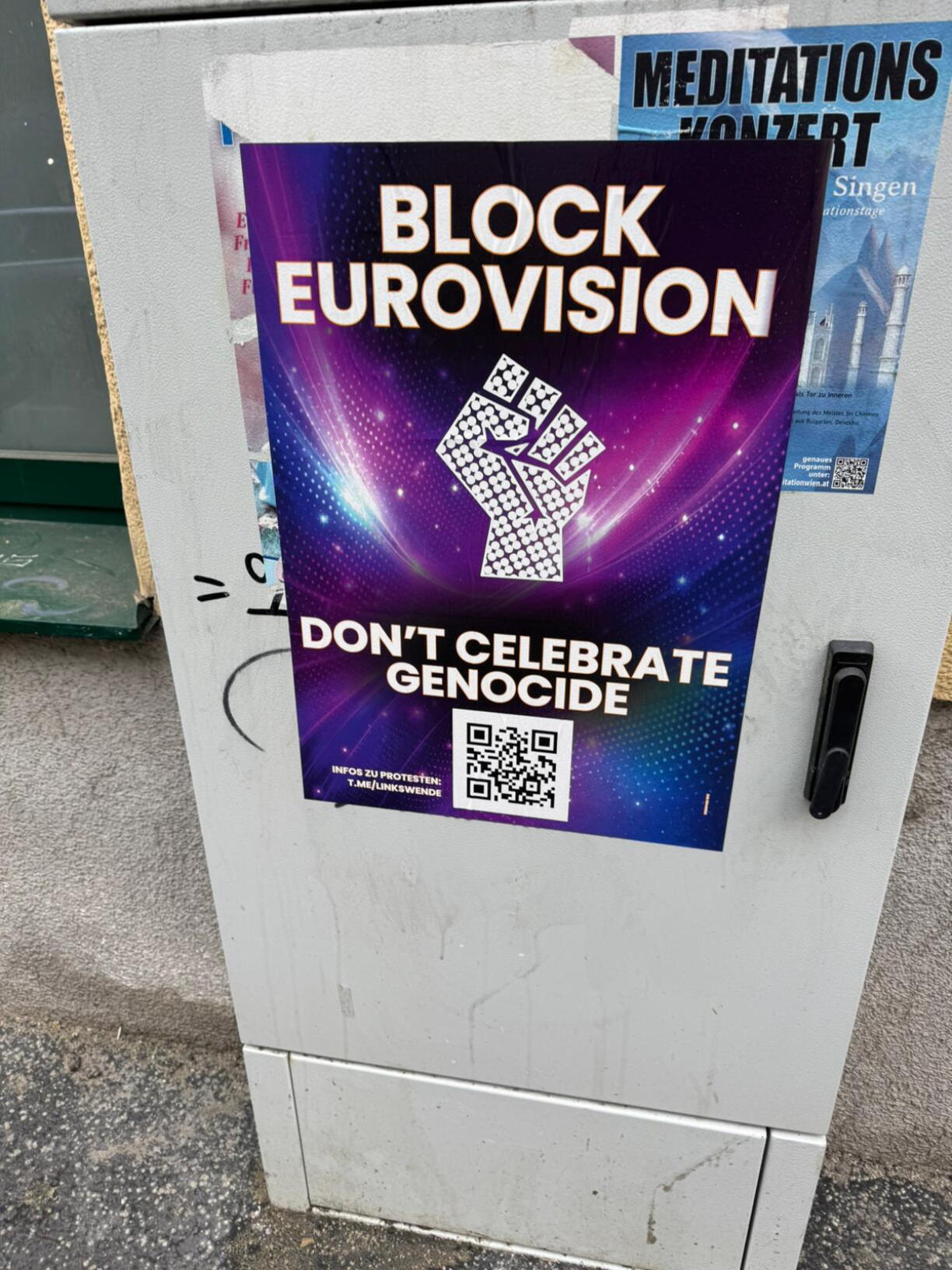
The Eurovision Song Contest has seen its share of controversies throughout its history, and boycotts have been part of that pattern. Austria boycotted the contest in 1969 as a measure against the Franco dictatorship in Spain. That year, the ESC was hosted in Madrid and ended with four countries sharing first place.
Another boycott followed in 1970, when Norway, Sweden, Portugal, and Finland withdrew. Their decision was not political but stemmed from dissatisfaction with what they saw as an unfair points distribution system, which later led to rule changes.
In 1974, Turkey attacked Cyprus. A year later, Turkey announced its participation in the ESC. In response, Greece withdrew from the contest to protest the Turkish invasion, which had resulted in many casualties. Greece returned in 1976 but entered a song addressing the suffering of Cypriots during the invasion. Turkey subsequently boycotted the contest and did not take part again until several years later.
No boycott materialised in 2019, though calls for one were loud. That year, the contest was broadcast by Israeli public broadcaster KAN in Tel Aviv. Over a thousand international artists signed an open letter urging participants not to take part, citing the Israeli government's treatment of the Palestinian people.
Withdrawals from international contests are not unique to Eurovision. During the 1980 Summer Olympics in Moscow, more than 40 countries boycotted the games following the Soviet Union's invasion of Afghanistan in 1979. The United States announced several measures against the USSR, including a boycott of the Summer Games, and many Western nations followed suit.
Turning to 2026, a number of voices in Luxembourg have also spoken out against Israel's participation in Eurovision. Several Luxembourgish artists have supported the "No Music for Genocide" initiative. On Wednesday morning, Rosa Lëtzebuerg posted a statement on social media announcing that they will not broadcast the final this year, after having organised public viewings in previous years. The organisation cited Israel's participation and what it called the double standards of the European Broadcasting Union (EBU), pointing to Russia's exclusion from the ESC in 2022 following its attack on Ukraine. Rosa Lëtzebuerg signed off its post with the words: "Human rights are not selective."
Rosa Lëtzebuerg is a non-profit organisation advocating for the rights and visibility of the LGBTQIA+ community.





