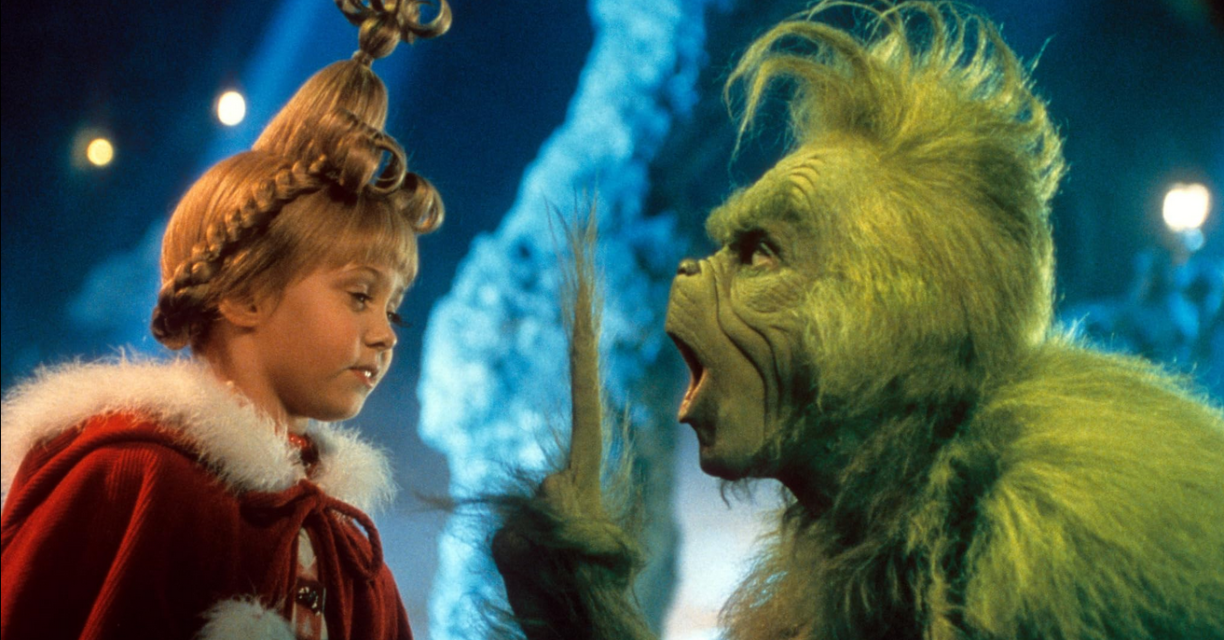
Green, grumpy and openly hostile to Christmas, the Grinch has nonetheless become an inseparable part of the festive season. He now belongs to Christmas just as much as Santa Claus, the Christmas tree, and the Yule log.
This is despite the fact that he represents the complete opposite of the holidays, which many describe as a time of reflection and warmth. How the Grinch Stole Christmas, written in 1957 by American author Dr Seuss, tells the story that made the character famous.
The children's book centres on a foul-tempered creature who lives in isolation with his dog in a cave high above the village of Whoville. Below, the Whos celebrate Christmas with music, decorations and bright lights.
It is precisely this exuberant cheer that infuriates the Grinch. His solution is simple and radical: he decides to steal Christmas itself. On Christmas Eve, he takes all the presents, decorations and even the food, convinced that he has destroyed the holiday for everyone else.
The following morning, however, brings an unexpected outcome. The inhabitants of Whoville continue to sing, laugh and celebrate together, leading the Grinch to realise that Christmas is not defined by gifts and fairy lights alone.
The character’s popularity grew significantly through film and television adaptations. An animated version released in 1966 quickly became a classic in the United States.
By 2000, when Jim Carrey portrayed the Grinch on the big screen, the character had gained worldwide recognition. Since then, the green Christmas grouch has returned year after year, appearing in films, animated versions and new reinterpretations.
Yet the Grinch is more than a comical, grumpy holiday figure. He embodies loneliness, frustration, and bitterness, while also representing the possibility of change.
His story suggests that people can grow and evolve, and that kindness and community matter more than flawless decorations or the biggest present under the tree.
In the book’s final moments, the Grinch’s heart grows to three times its size, a symbol that continues to resonate today.
This may well explain his enduring appeal. The Grinch serves as a reminder that Christmas does not have to be perfect and that even those who feel excluded or irritated by the festivities can find joy in them again.
And for those who feel no connection to Christmas at all, he remains a green figure who captures a familiar sentiment with striking clarity: simply not being a fan of Christmas.





