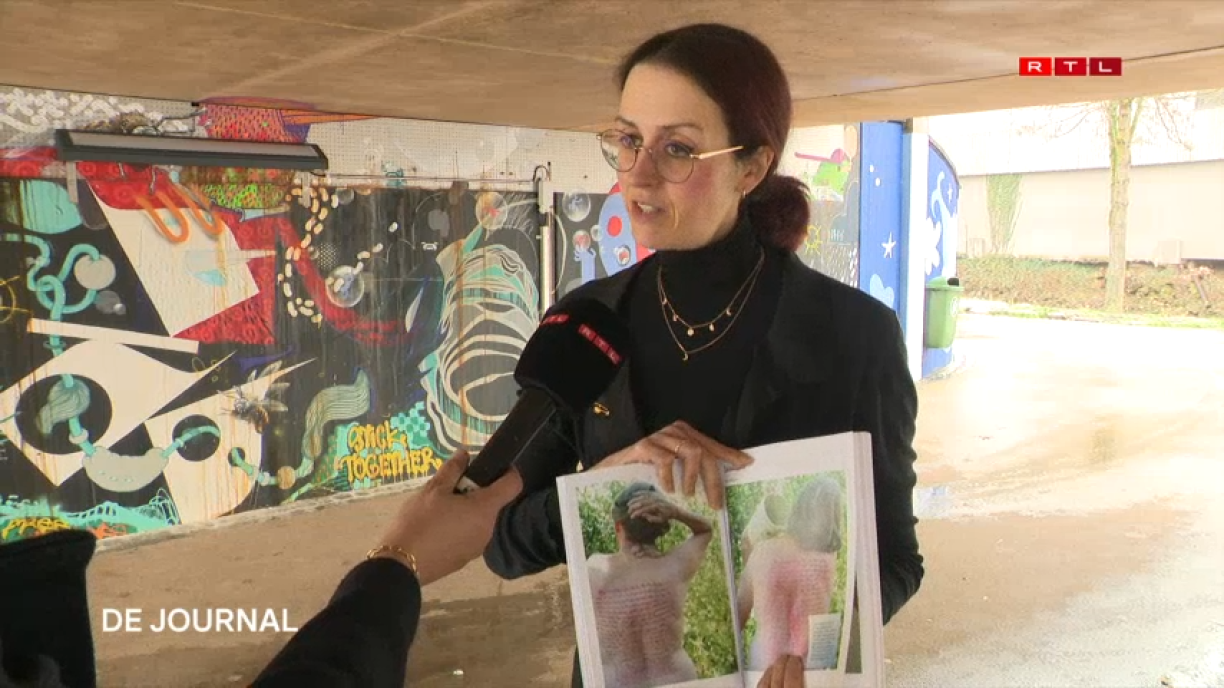
A new book from the Luxembourg UNESCO Commission explores how to manage cultural heritage and sustain its relevance for the future. Titled Mémoires Futures/Künftige Erinnerungen (Future Memories), the publication combines theoretical perspectives with practical, living examples drawn from across the country.
Compiled over more than two years by editor Nora Schleich, the book features diverse contributors. "Of course, the book also contains theoretical aspects, highlighting heritage from historical, sociological, and artistic perspectives", Schleich noted, referencing contributions like that of Nora Wagner, who examines themes of transience in art and culture.
A significant theme is the revival of traditional, sustainable building techniques. Expert Marc Neu, featured in the book, advocates for methods using local materials like straw, wood, and clay. "It's a simple way of building, following the model of the circular economy". he explains, critiquing the modern neglect of these practices. He points to structures like a century-old building in France as proof of their durability and an inspiration for contemporary Luxembourg.
The book also examines how museums preserve elements of daily life that have faded from common use. The City Museum, for instance, houses artifacts from the former glove factory in the Grund neighbourhood. According to Guy Thewes from the City Museum, such collections are vital for confronting historical taboos, citing a current exhibition on the history of menstruation as an example. "These are immensely valuable objects that tell a story", he says.
The publication, now available in bookshops, aims to present a mosaic of Luxembourg's cultural identity by weaving together narratives from its past, present, and future.





