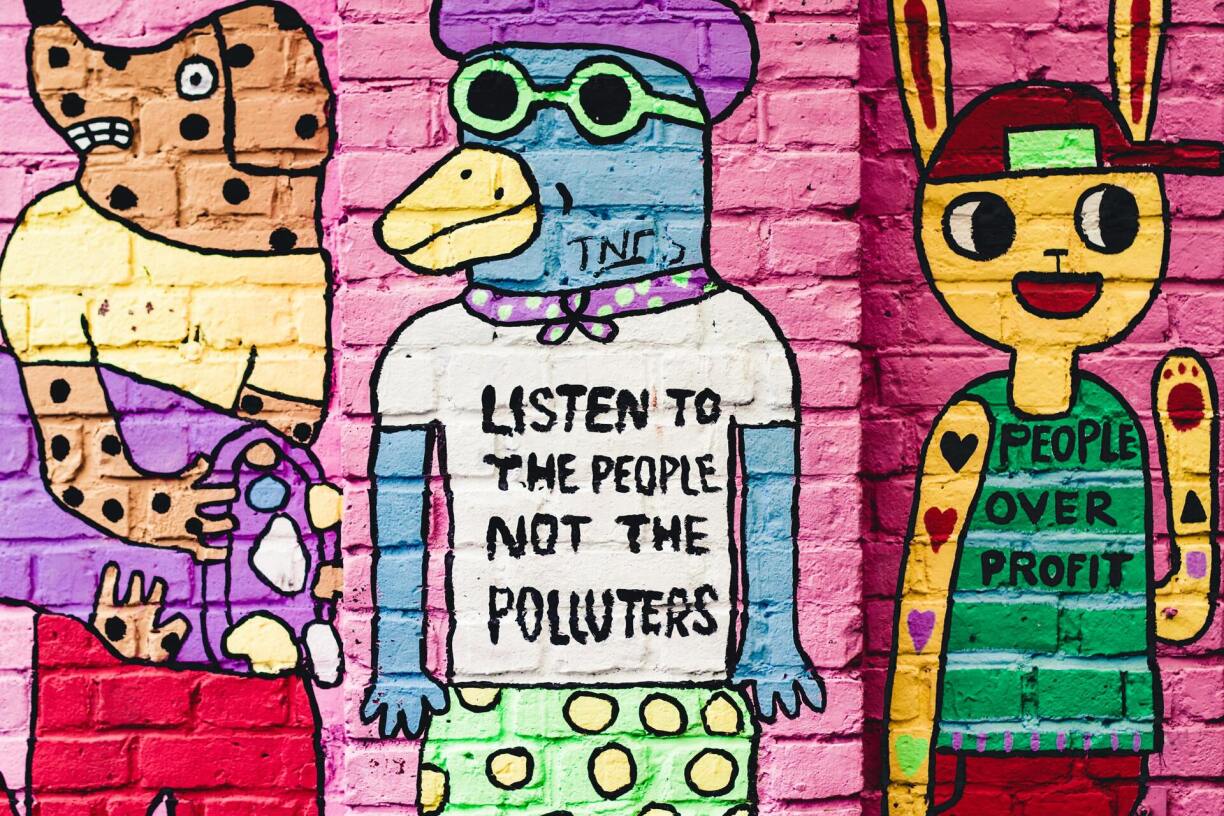
Before I go into this, I would like to note that the focus will be on fashion since I am most informed about it, but the greenwashing phenomenon is applicable to countless other industries. In fact, the term was coined in 1986 by environmentalist Jay Westerveld, who discovered that hotels had been misleading customers by telling them to re-use their towels ‘for the planet’. The energy industry, too, is accused of greenwashing, most notably Shell and BP, which were advertising their low carbon energy products despite their main spending being oil and gas. The Guardian published an excellent piece on the oil industry and greenwashing earlier this year, you can read up about it here.
Now, you could be thinking that me focusing on fashion makes this read less relevant, but the fashion industry alone is responsible for an estimated 10% of annual carbon emissions. That makes it the ideal industry to tackle as consumers because it is so dependent on that social license to operate, don’t you think?
So what is greenwashing? Whether it is done through misinformation or lack of information, I define it as the deliberate deception by companies to portray themselves as more environmentally friendly than they truly are. My all-time favourite example is the fast-fashion company H&M. In 2012, H&M launched its first ‘Conscious Collection’, a range advertised to consist of either recycled or 50% more sustainably sourced garments. This is the moment where you ask yourself ‘hang on, what does that even mean?’ I had a peek at their website and found little information about the origins of those garments, which is rather dubious for a company that seems to care so much about transparency. H&M generally likes to make ambitious statements backed up by little to no evidence, but it works.
Using neutral colours and simple keywords like ‘sustainable’, ‘eco-friendly’, ‘green’, or even ‘recycled’, H&M seeks to visually distract the consumer from the lack of information upon which its greenwashing tactics rest. There is a page called ‘Conscious Products Explained,’ but a simple paragraph that waffles around the actual problem is not going to make the cut. In short, the company puts in limited effort to explain where the garments come from, who they are produced by, what they consist of, and how they have been recycled, if at all.
Beyond the tactics of greenwashing, I often ask myself why greenwashing has such an impact on public perception in the first place. As it is a more or less recent phenomenon, it remains largely unstudied in psychology, but the general gist is that there is a gap between consumer intention and action. Because fashion relies on constant change and creativity, we are constantly striving to outcompete each other and replace our old rags with newer, trendier clothing. With sustainability becoming trendier, some are now motivated to shift this competition to environmental altruism. However, the motivations are misplaced and thus are ideal breeding grounds for greenwashing. As long as consumers place their self-gratification over genuine environmental concerns, companies can continue to target those audiences that will fall for the greenwashing strategies.
The problem with greenwashing is that companies can make ambitious claims without having to stick to them, because there is no external regulatory body to keep them in check. Beyond
the European Anti-Fraud Office, which investigates misspending of EU capital originally intended for environmentally friendly products, there is no legal framework that can hold companies accountable for the deliberate deception of consumers. Consequently, H&M and others can easily portray themselves to be a planet-friendly brand, even if experts in the field actively oppose this. After all, fast fashion and sustainability directly contradict each other, so even if the campaigns that H&M is launching can be applauded to some extent, the campaigns remain a tactic to maximise profit, not to save the planet.
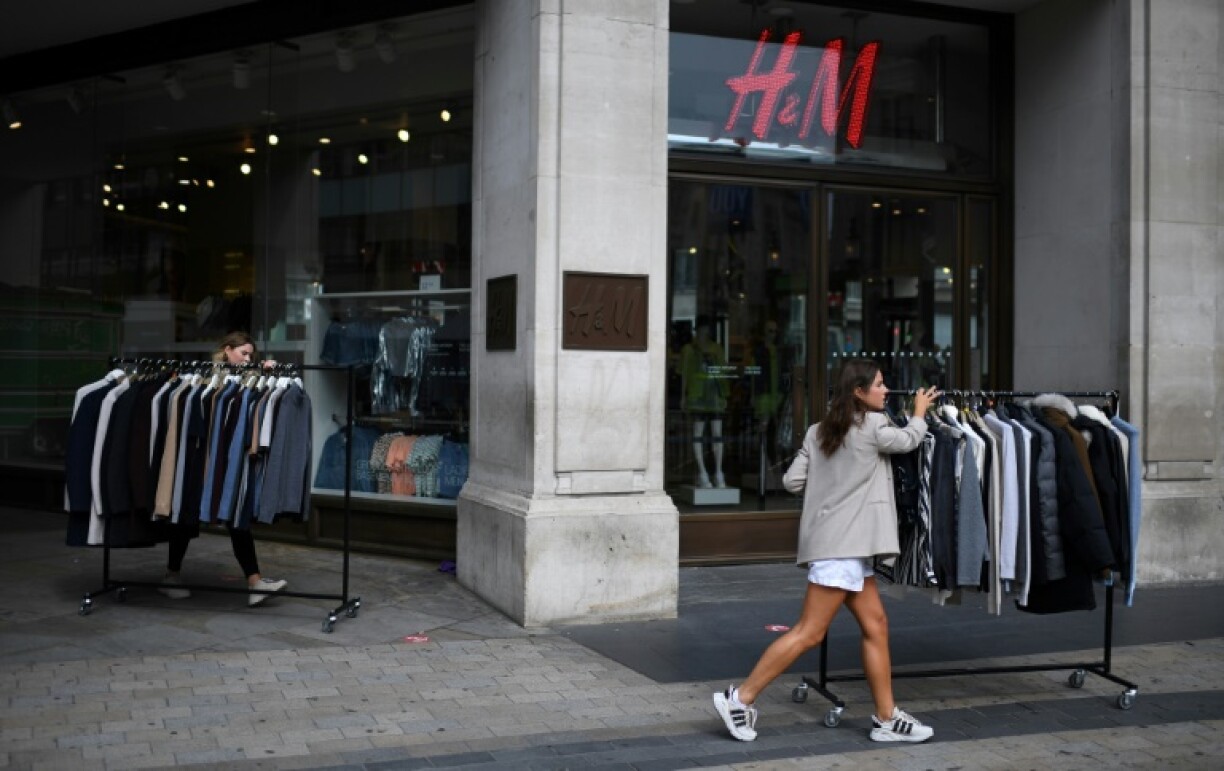
What makes greenwashing all the more dangerous is that presenting the fashion industry as sustainable will ease consumers’ minds and could even result in much more mindless consumption. While the client believes their new ‘at least 50% organic cotton’ shirt is not contributing to the ever-increasing pollution levels, H&M continues to dump unsold garments on landfills and produce fibres that are reliant on fossil fuel extraction or polyester. What the labels fail to tell us reflects the ‘out of sight, out of mind’ mentality: if the landfills and incarceration sites are located in countries like Ghana, the Global North does not have to think about the consequences of its consumption habits. Now and then, we will hear about an accident at an H&M factory in Bangladesh that resulted in garment workers’ deaths, and for a moment it might shock us, but we appear easily appeased with soothing adverts soon thereafter.
To truly encourage a fundamental change in the fashion industry, we must take advantage of the rise of environmental consciousness to put a halt to individual greed for novelty and self-gratification. Only then will greenwashing become less efficient with consumer scepticism on the rise. In the meantime, legislative efforts should be encouraged to mandate transparency and to hold companies accountable for their unsubstantiated claims. With insufficient legal framework, companies can easily swipe pollution scandals and human rights violations under the rug by mystifying their supply chains via third-party outsourcing.
Equally, companies should move away from the fast-fashion model and abandon materials that rely on fossil fuels. They should also be transparent and offer information about the entire supply chain, including raw material suppliers. Lastly, companies should strive for quality rather than quantity. The brand Patagonia set a good example by encouraging customers to wear more and buy less. Patagonia also improved its products’ durability and offers repairs to customers to reintroduce longevity in fashion.
Apart from the recommendations I voiced for governments, the individual consumer can take action against greenwashing. I don’t expect you to immediately change your consumption habits after reading this. I still buy new clothes myself and have a long way to go in my personal path towards a sustainable lifestyle. However, I urge you to educate yourself and take the time to find out where certain brands stand in regard to reducing emissions and guaranteeing fair labour conditions. For fashion specifically, I use an app called Good on You which rates brands and publishes how-to’s about thrifting, upcycling, repairing,… the list goes on and on. Repair your damaged clothing and donate what you never wear, only wash full loads and use environmentally friendly detergents. When I do shop for clothes, I try to shop second-hand. Vinted and Depop in particular are my favourite platforms, as they are rapidly expanding and save me a whole lot of money as a student. Again, this is an industry that operates on consumer validation, so we do have the power to influence a fundamental shift that would reject the exploitative nature of the current fast-fashion model.
Maura Lehmann is a freelance contributor at RTL Today, who currently does an environmental history module at university and has been rather cynical ever since.





