When looking for a definition of sustainability, the most common one you’ll probably stumble upon is from “Our Common Future”, also known as the 300-page-long Brundtland Report which was first published in 1987. In the report, sustainable development is argued to be the ‘development that meets the needs of the present without compromising the ability of future generations to meet their own needs’. Even though the report doesn’t even have three decades under its belt, I dare to argue that it’s been a long time already since we’ve crossed the border of living in a way that would make our grand-children proud, especially in the fashion sphere. While the industry as a whole has certainly made huge steps towards becoming more conscious, I still think that we’ve got a very long way to go.
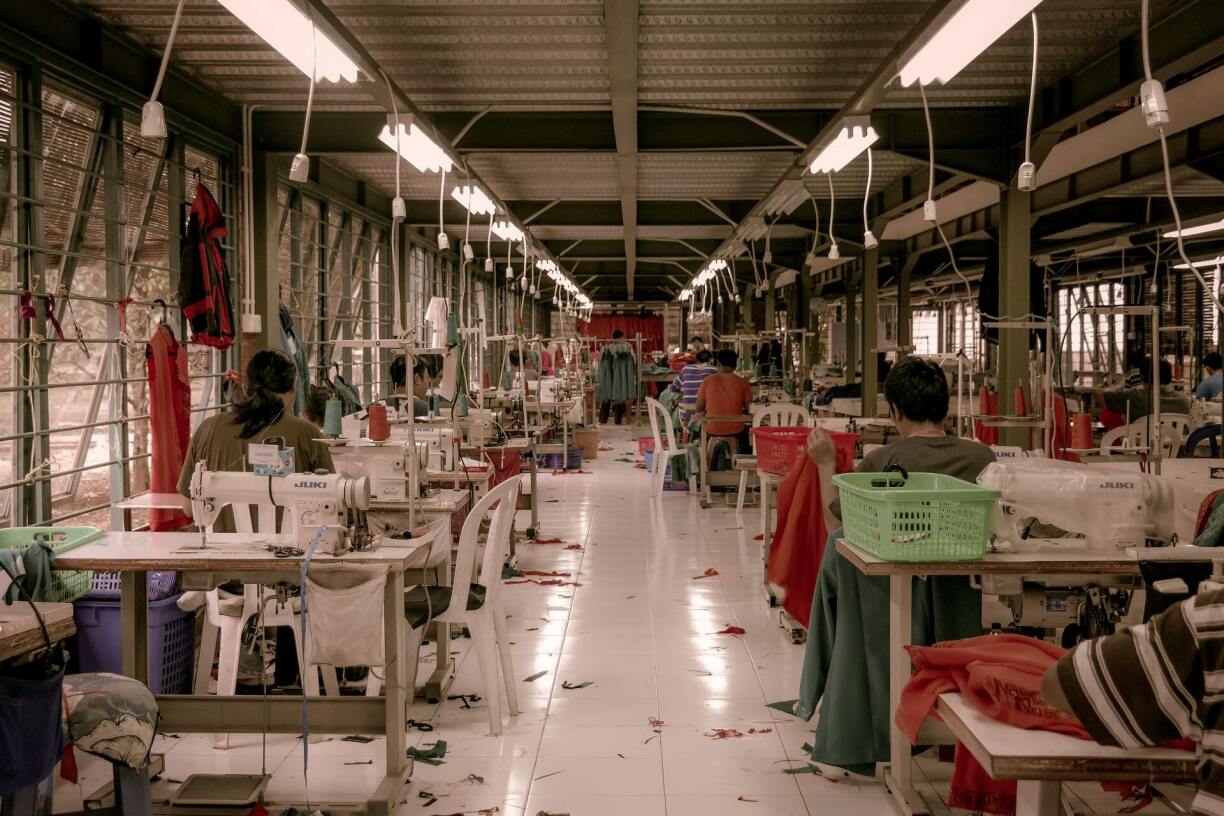
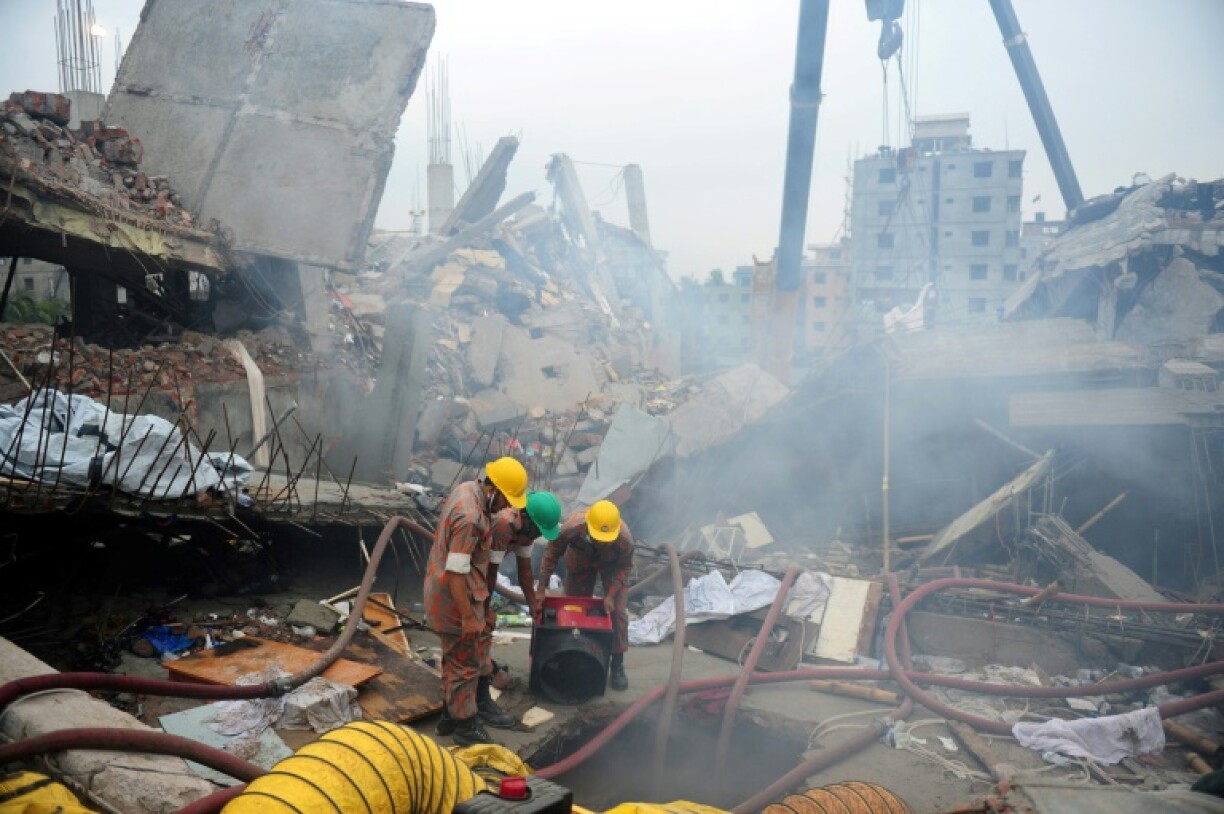
The first reason for that being the whole production process. Who remembers Rana Plaza? In a few days, it’s going to be exactly 8 years since the factory near Bangladesh’s capital Dhaka collapsed, burying over 1,000 factory workers alive and injuring thousands more. Back in 2013, the dramatic incident caused global uproar and seemed to have incited a conversation which persists even today. But except documentaries, informative articles and self-appointed sustainability experts, has the industry really changed that much? Because from where I stand, the fact that my IG is regularly flooded with posts about underpaid garment workers (among others, in Leicester) and brands cancelling their orders last-minute during the pandemic (which ultimately resulted in Bangladeshi garment workers once again being left unpaid), shows that it hasn’t.
I could go on and on about other deficits of various fashion brands - does green-washing ring a bell, for instance - but it ultimately all comes down to one thing: fashion is an industry like any other, meaning that the ultimate goal is to keep your brand afloat or, if you’re one of the bigger players, make it as rentable of a business as it could possibly be. In order to do so, you need to minimise your expenses and maximise sales. We as customers are generally bargain hunters, looking for the best quality-for-price deals, which, as a matter of fact, is easier to achieve in poorer countries than it is in Europe or the US.
And, while I definitely don’t agree with the above-mentioned atrocities committed against garment workers, I wouldn’t blame it all on the industry. Why? Well, firstly, because there are a lot of fashion brands that are committed to producing in a more sustainable manner and are actively taking steps and initiatives to create a more circular economy. And secondly, because I truly believe that every brand’s success depends on us, the customers.
It’s easy for us to sit back and claim that we can’t incite change as we’re not in those power positions and can’t make any executive decisions. But fact is, a brand without customers is not going to stay a brand for long. According to last year’s McKinsey report, it can be expected that ‘customers will increasingly expect - and demand - an emphasis on sustainability from fashion brands’. As such, ‘circular business models won’t be optional’ anymore, but a necessity if the brands want to survive.
We want change, but all too often we’re not ready to commit or pay for that change, leading brands to search for ways to minimise the sales price so we continue to consume. And the funny thing is, we’re letting them do it. I don’t know about you, but I surely don’t read up on the origin of fabric, the authentication of the stated production country and the brand’s sustainability commitment every time I buy an item. And while I might be wrong, I’ve got a feeling that I’m not the only one.
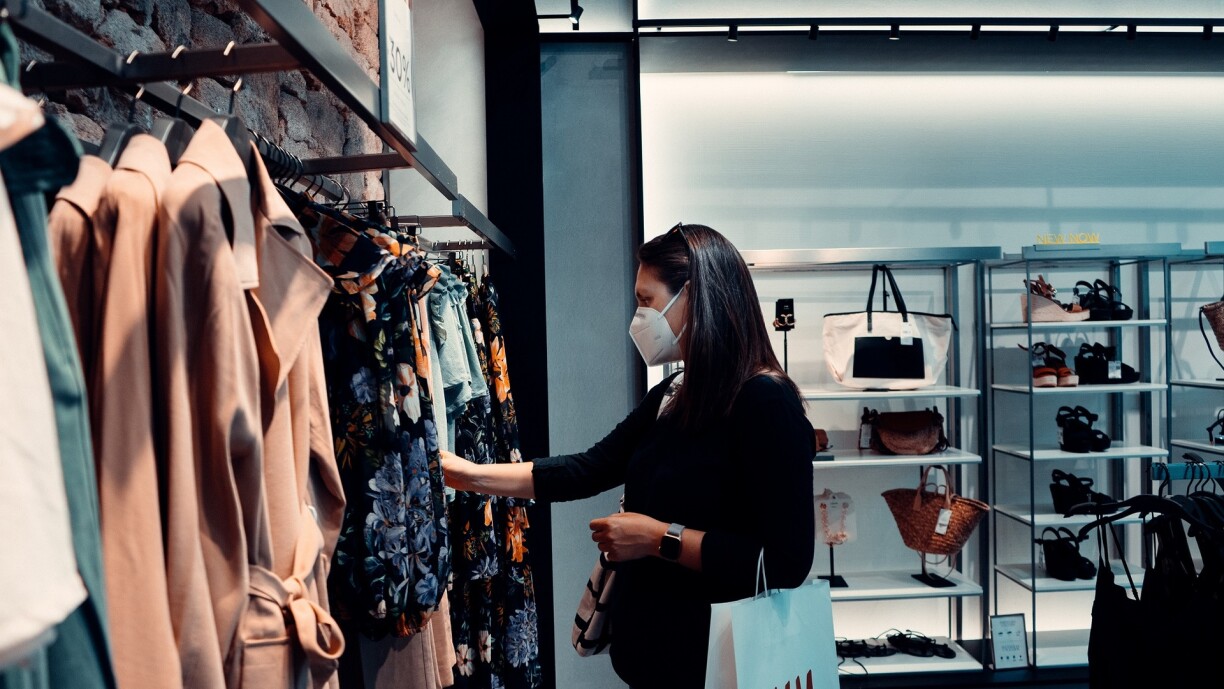
Another problem with new sustainable items is that a lot of people can’t even afford them, even if they’d like to, because the sustainable market can oftentimes be pretty expensive. Don’t get me wrong, I do get where the price is coming from and sure, you can argue that it’s better to buy one higher-priced item over a whole bag full of fast-fashion, but that doesn’t change the fact that not everyone can afford to drop a lavish 800 Euros on a blazer, even if they’d like to.
It’s a vicious circle which I can’t really point a definite way out of, but I feel like we’re moving in the right direction. During an interview session with some Luxembourgish second-hand shop owners, I was told that more and more people are showing an interest in donating and selling their items on. And while the amount of people who are ready to get rid of things seems to outnumber the amount of people who are willing to buy second-hand items in that same shop, the wheels are turning and the mentality seems to be changing, if only slowly.
We’ve come a long way already and I’m sure that the future generations will demand even more action from the brands they love and support. The problem is just that it’s not enough to preach a more sustainable and ethical production and outcomes - it’s time we actually start to inform ourselves correctly and commit to the change. Sustainable fashion isn’t only about the clothes you buy, it’s a whole lifestyle and mentality that we need to adapt, because time is ticking. And it has been for a very long time now.





