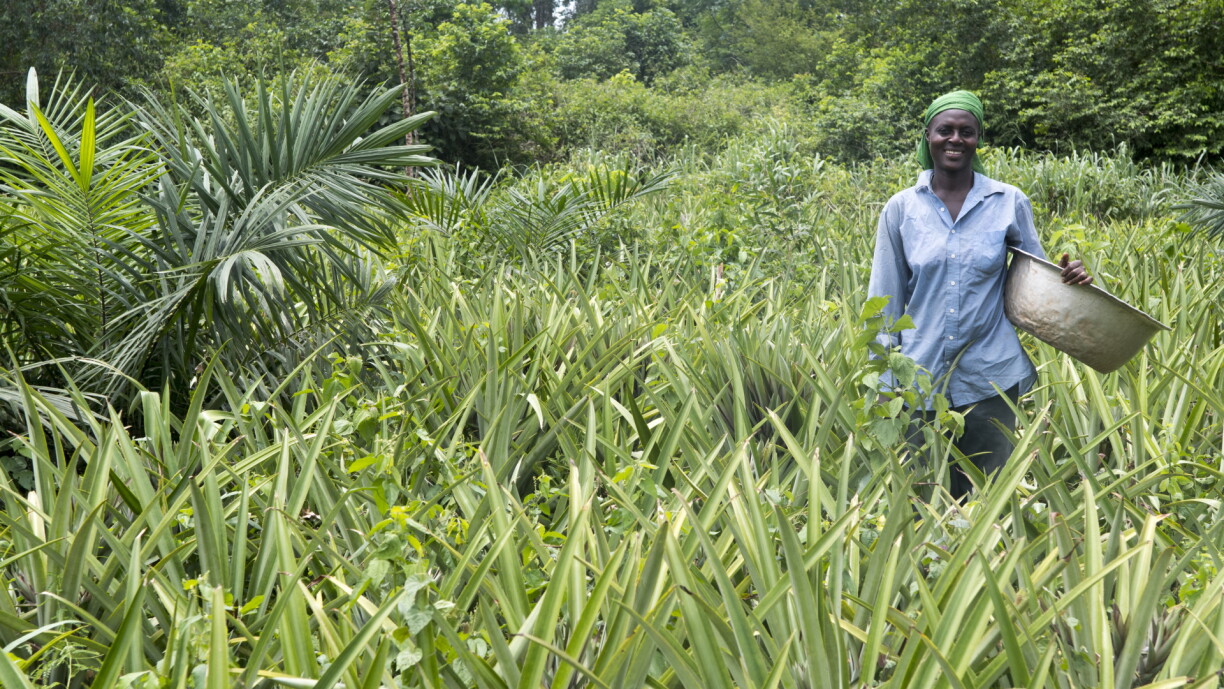
Without resorting to food aid, SOS Faim has been working to fight against hunger since 1993 by supporting actors in Africa who contribute to the emergence of a nourishing Africa.
While some say that hunger is a problem that can’t be solved, SOS Faim is convinced that hunger is not a fatality, and that it is possible to fight hunger by supporting local actors that enable family farming to thrive.
Let's have a look at this NGO which works both here in Luxembourg and abroad in the different countries where they are supporting local partners.
A world without hunger. A world where men and women see their rights respected, especially their right to adequate food, produced in a manner that respects people and nature. That is SOS Faim's vision. This vision is based on four fundamental values that underpin the work of SOS Faim: dignity, equity, solidarity and commitment.
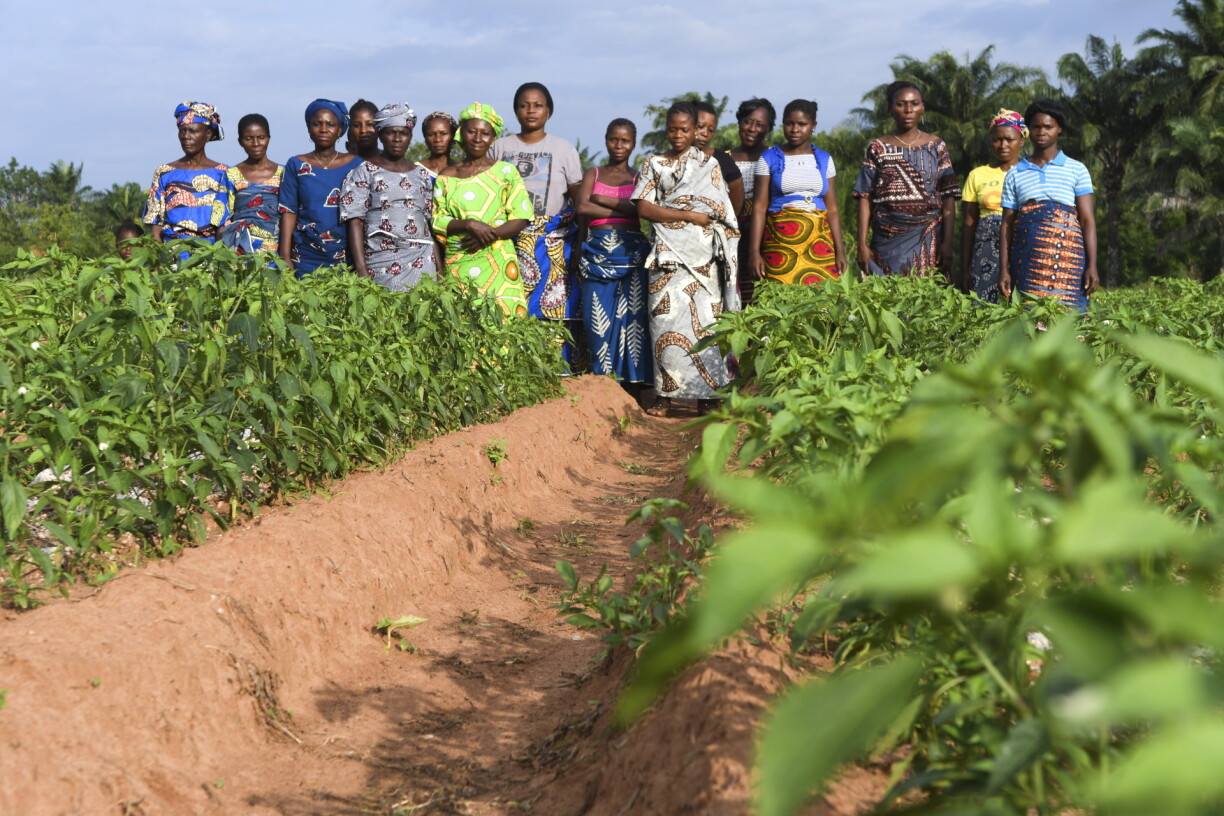
To fulfill its mission, SOS Faim is dedicated to the transformation of agri-food systems by financing and supporting actors committed to sustainable family farming and responsible food consumption.
The organization considers sustainable family farming as the most adequate solution to feed the world while respecting human rights and biodiversity. Family farming alone supplies about 80% of the world's food and provides a living for millions of families around the world. But at present, the agri-food systems are dominated by a few actors of the agribusiness industry and large-scale distribution, which poses a real threat to our food security. In addition to its positive impact on food security, sustainable family farming can safeguard the basic rights of peasants, such as decent work and a sufficient income to earn a decent living.
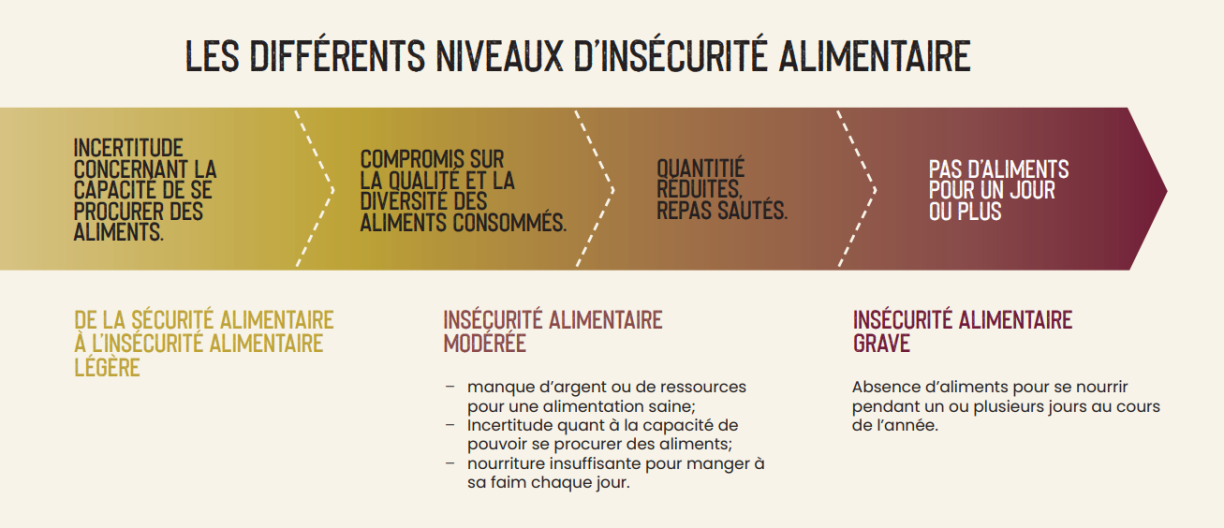
SOS Faim currently supports 23 partners in seven African countries (Benin, Burkina Faso, Ethiopia, Mali, Niger, Democratic Republic of Congo and Senegal). These actors of change are either farmers' organizations, microfinance institutions, or organizations defending farmers' rights, such as access to land and natural resources, among others. All these actors, each at their own level, participate in the process of bringing about change. Approximately 500,000 people are being reached by SOS Faim's partners in Africa.
This work abroad is complemented by awareness-raising campaigns aimed at citizens and advocacy work directed at policy-makers here in Luxembourg. Public sensitization takes the form of an invitation to change our food consumption (Changeons de Menu !) and to choose our food in a responsible way, through sustainable and socially respectful supply chains. Not only because it is better for the consumer's health, but because the choice of our food has a real impact on global warming, on biodiversity loss and, consequently, on the access for all to sufficient and adequate food.
As for the advocacy work, it is carried out in alliance with other actors of the Luxembourgish and European civil society: since world hunger is a political problem, linked to the industrial agricultural system and to the financialisation of the economy, the NGO considers that it is its duty to call on decision-makers so that they adopt a fairer, more sustainable and more inclusive system. For SOS Faim, this work is essential. Indeed, it allows for a real impact aiming at systemic change in order to build a more just and a more sustainable world. A world free from hunger.
To successfully carry out its mission, SOS Faim needs human and financial resources. A multidisciplinary team of 12 people, supervised by a volunteer Board of Directors, is dedicated to implementing the strategy and actions of the NGO on a daily basis. At the financial level, SOS Faim is accredited by the Ministry of Foreign and European Affairs (MFA) and thus has access to the MFA's co-financing mechanisms. This access depends on the prior fundraising carried out in Luxembourg.
With regards to fundraising, SOS Faim has elaborated its own ethics code which consolidates the code of conduct for the organizations that adhere to the association Don en Confiance www.donenconfiance.lu. Thus, for SOS Faim, it is inconceivable to resort to the use of shocking and degrading images to raise money. Street or telephone solicitations are also prohibited. The purchase or lease of mailing lists is also forbidden. Furthermore, the association's finances are published in full on their website www.sosfaim.lu. Ethics, financial transparency and confidentiality of donors' data are the pillars of SOS Faim's commitment in this area.
Last but not least, without concealing the complex problems related to hunger, SOS Faim tries to give a more positive image of Africa and its people, by highlighting their courage and ingenuity. For instance, in Benin, where about 80% of the population relies on agriculture for their livelihoods and most of the farmers cultivate small family plots, young people are all too often forced to migrate to the city to look for work because of the lack of opportunities in rural areas.
Located in southeastern Benin, the farm-school SAIN aims to train young people in agroecological practices so that they can become ambassadors for local development. Indeed, in Benin, the installation of young farmers is faced with important challenges: learning the trade, access to land and financing the means of production.
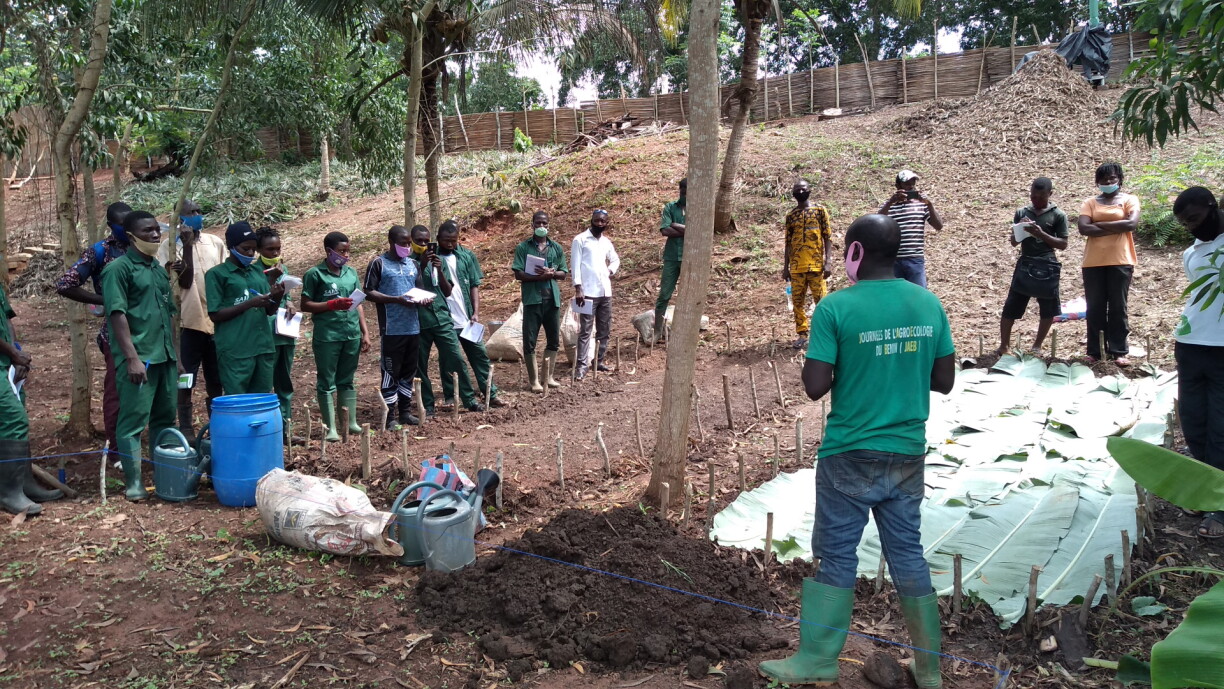
The farm-school is a place of learning that develops alternative methods of cultivation, which safeguard health and the environment. The careful recycling of waste and agricultural and livestock by-products allows the farm to use only minimal levels of inputs (no synthetic chemical fertilizers, no pesticides). It is an integrated production system that combines crop production (rice, corn, cassava, market gardening, sugar cane, fruit trees), animal production (rabbits, poultry, snails) and fish farming. After their training and graduation, students are guided and accompanied if they decide to set up their own farm. This allows them to maximize the chances of succeeding in their project.
If you want to know more about SOS Faim or its partners, you can do so by visiting their website: www.sosfaim.lu





