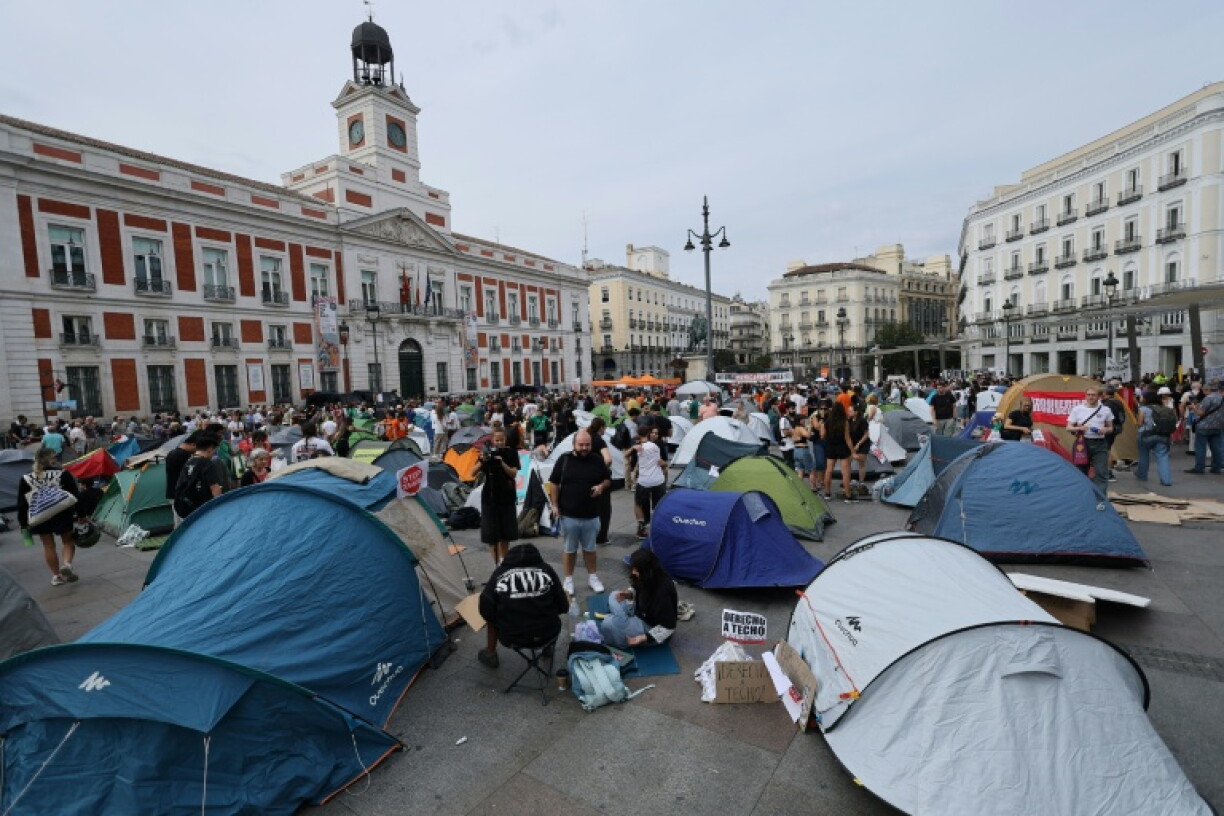
Protesters on Sunday planned to spend a second night camped out in a central Madrid square, keeping pressure on Prime Minister Pedro Sanchez over Spain's housing crisis after he pledged swift government action.
The demonstrators set up around 100 tents in the capital's busy Puerta del Sol square after tens of thousands took to the streets on Saturday to demand action to lower housing costs and protect tenants.
"We will stay for as long as necessary," Alberto Macias, spokesman for the Carabanchel Housing Union, one of the organisations behind the protest camp, told AFP.
The movement was triggered by the police eviction on Wednesday of an 87-year-old woman from her lifelong Madrid apartment.
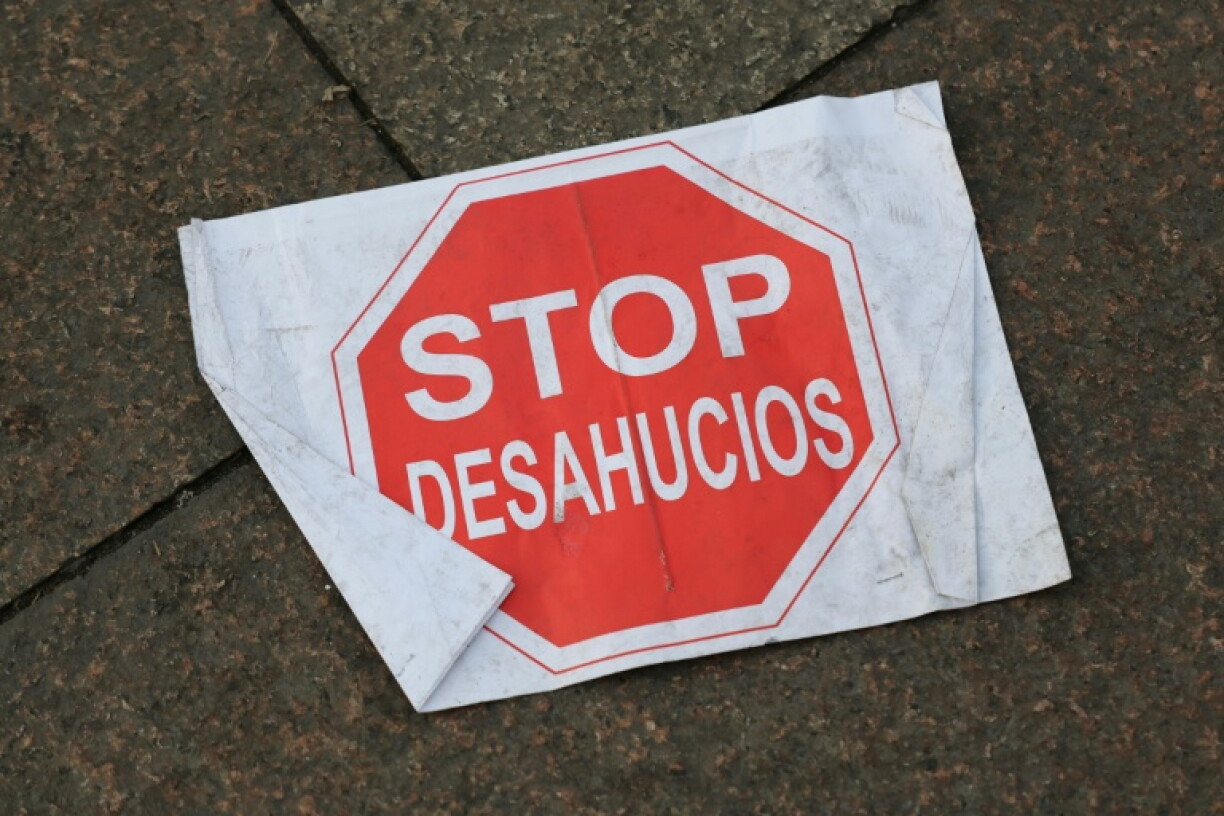
The woman, Maricarmen Abascal, was carried out on a stretcher after the police broke down her door, a scene that caused widespread outrage.
Her plight tapped into long-simmering resentment in Spain's major cities over spiralling costs to rent or buy homes.
"Maricarmen is the last straw," Oscar-winning Spanish film director Pedro Almodovar, 76, told public broadcaster RTVE at the camp, calling the housing situation "absolutely unbearable".
The housing problem in Spain has become a burning issue ahead of a general election due next year.
Sanchez, in a political rally organised Sunday by his Socialist Party, addressed the evicted woman.
"Maricarmen, I have a message for you. The government is working all out to present the law on housing," he said.

He urged other political parties to back the bill, which is expected to contain measures such as the automatic renewal of rental contracts and further restrictions on evictions.
But Sanchez's party lacks a majority in Spain's parliament, so it is unclear whether the package would be approved. A similar bill was defeated earlier this year.
The Madrid Tenants' Union urged on X for city residents to join the Puerta del Sol protest.
"We can't take any more. Either the rental system falls, or the government falls," it said.
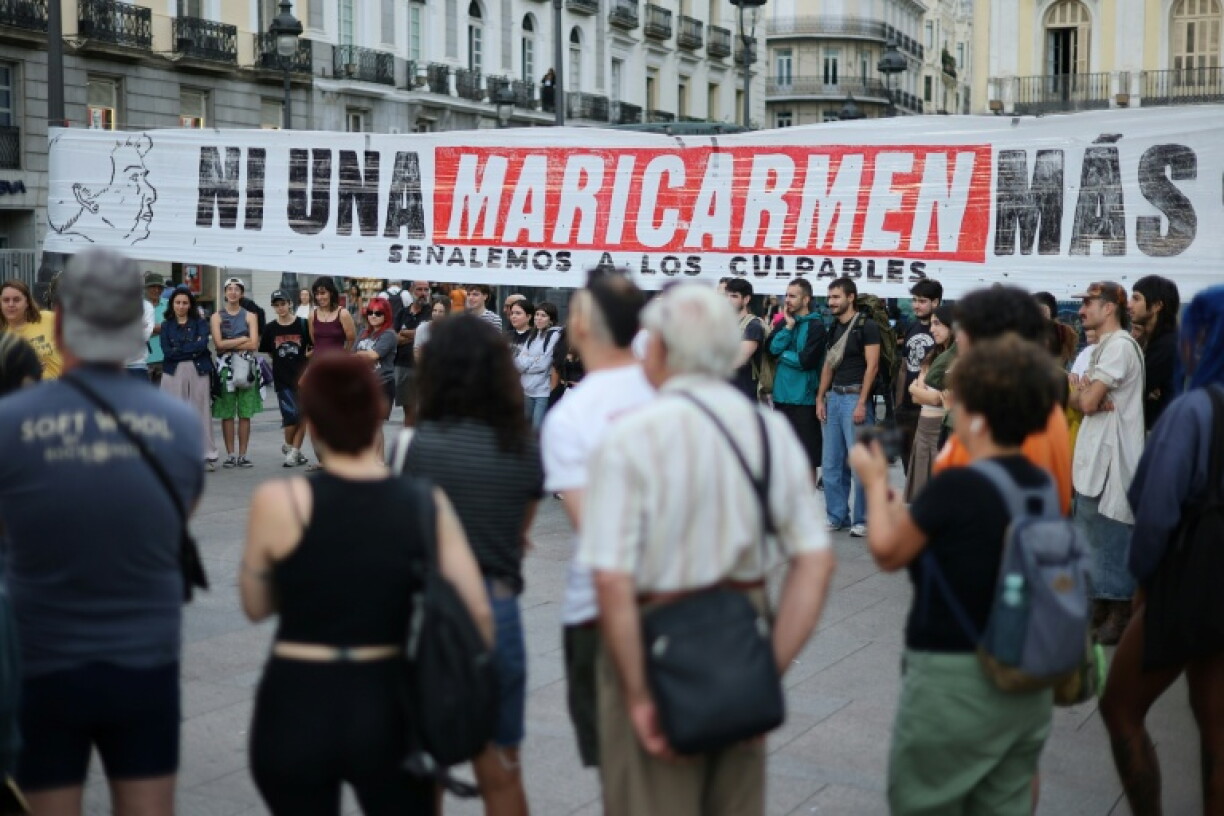
Abascal was forced to leave the apartment where she had lived for 70 years after a real estate firm acquired the property and raised the rent by 275 percent to 2,650 euros ($3,000), according to the union.
Now a symbol of Spain's housing crisis, she had urged Spaniards to join Saturday's protest rally in a video message posted online just hours before it got under way.
"I want what has happened to me to serve so that it does not happen to other people," she said from hospital, where she has been treated for exhaustion since her eviction.
"I want it to encourage people to fight and to help change the laws that have allowed me to be evicted," she added in the video, posted by the tenants' union.
Many who took part in Saturday's demonstration said that the rental market had become impossible. A Madrid real-estate site, Idealista, estimates that rent has nearly doubled in the past decade.
"It is a struggle to find a place you can afford, then you live in fear of being forced out," demonstrator Enrique Ortega de Miguel, a 38-year-old graphic designer who lives with his mother, told AFP.
Puerta del Sol -- a busy hub intensively used by commuters and tourists -- has been the venue for past protests. In 2011, young demonstrators railing against poor economic conditions and corruption occupied it for three weeks.
The Bank of Spain estimates the country of around 50 million people is short of 700,000 homes, based on the gap between demand and new construction.
Spain has little public housing, while rents have been driven up by increased demand, including from tourism and population growth linked to immigration, analysts say.
ds-mdm/jj





