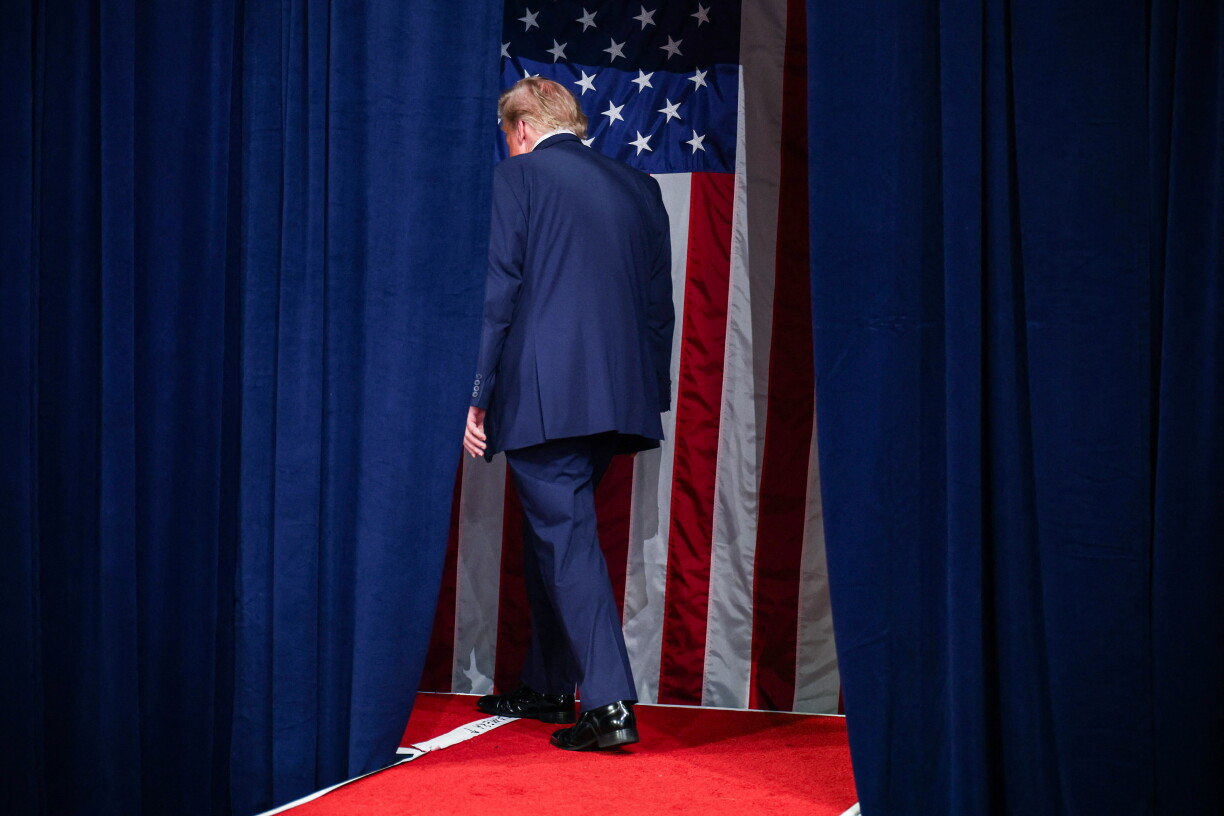
As the countdown to the US midterms enters its final days, we turned to political scientist Professor Josip Glaurdic from the University of Luxembourg to discuss what a future beyond Donald Trump might look like, and how a Democratic victory could influence that landscape.
The US midterm elections take place halfway through a president’s four-year term and, as their name suggests, do not involve voting for the president but for members of Congress. All 435 seats in the House of Representatives and 35 out of 100 seats in the Senate are up for grabs.
Currently, both chambers are controlled by Republicans, but Democrats are seen as favourites in this election cycle. Professor Glaurdic agreed that unless any major surprises happen before election day on 3 November, a Democratic victory in the House of Representatives was almost certain. He gave the Democrats an 80% chance of securing a Senate majority, adding that while several races are close, the general trend was for the Democrats to take the Senate as well.
Professor Glaurdic was paying particular attention to Senate races in Maine, Michigan, and Texas. While Texas had traditionally been a Republican stronghold, this election could see a shift, with moderate Democrat James Talarico potentially becoming Texas's first Democratic senator since 1993.
In Michigan, progressive Democrat Abdul El-Sayed faces Republican Mike Rogers. Glaurdic explained that the comparative success of progressive versus more centrist candidates will also shape the Democrats’ outlook for the 2028 presidential election.
More broadly, Professor Glaurdic believed the midterm results could determine the future direction of US politics. He reckoned that if there is a clear Democratic win in the midterms, that could finally mark the real beginning of the end for the MAGA movement, even though it had proven remarkably resilient.
With Donald Trump unable to run for president again, America’s political landscape was set for significant change.
Over the next two years, both parties are expected to witness new factions emerge, with candidates positioning themselves for the 2028 presidential race. However, at least for the Republicans, it may take considerably longer for the party to truly break away from Trump and his MAGA movement.
Professor Glaurdic acknowledged that in recent years, President Trump had been extremely effective at placing his allies in key positions, making it very difficult to predict what a post-Trump future will look like. He suggested the possibility that a new Republican leader could emerge in Trump’s image, perhaps "someone younger and more competent." Glaurdic pointed out that President Trump is "deeply incompetent" and could be replaced by someone "perhaps more ruthless, more organised, or possibly, someone who steers the party back towards the centre."
The future of the Republican Party will also depend on how the Democratic Party evolves. Internal divisions between centrists and progressives had persisted for years, and now, Glaurdic anticipated a significant internal struggle, making it challenging to predict which path the party will choose. How the various Democratic candidates fare in the midterms will provide important data ahead of the 2028 presidential race.
Trump’s support has eroded significantly since the last election. While he is not himself on the ballot, the midterms are often seen as a referendum on the sitting president’s record. With historically low approval ratings, it is doubtful Trump will succeed in motivating his supporters to turn out.
Glaurdic notes that even among Trump’s own base, the president’s appeal is fading since American voters' priority almost always comes down to the economy. In 2024, President Trump ran on the cost of living and inflation. But since entering the White House, he has failed to deliver. In fact, certain measures like punitive tariffs, especially on Canadian goods have driven inflation higher, while the war in Iran has sent oil prices soaring.
Yet Glaurdic points out that voters deeply rooted in their ideological beliefs rarely change sides. Therefore, the most likely path to a Democratic victory would not be to win over Republicans, especially not MAGA Republicans, but to encourage them to stay home and not vote.
If Democrats take control of Congress, a number of things are likely to change. For those in Europe, the most immediate impact would be the lifting of Trump’s punitive tariffs, while a Democratic Congress would almost certainly limit the president’s ability to make decisions regarding the war in Iran.
Glaurdic commented that this administration had clearly failed to respect the Constitution when it comes to the war in Iran, and reckoned that there will be efforts to impeach Defence Secretary Pete Hegseth, adding that he may not be the only one.
Democrats are also expected to gain new investigatory and parliamentary powers previously blocked by Republicans in Congress. Glaurdic warned that, paradoxically, this could make President Trump even more unpredictable in foreign policy, as he will be looking for more opportunities to distract from domestic politics. In other words, calmer years are not necessarily on the horizon.
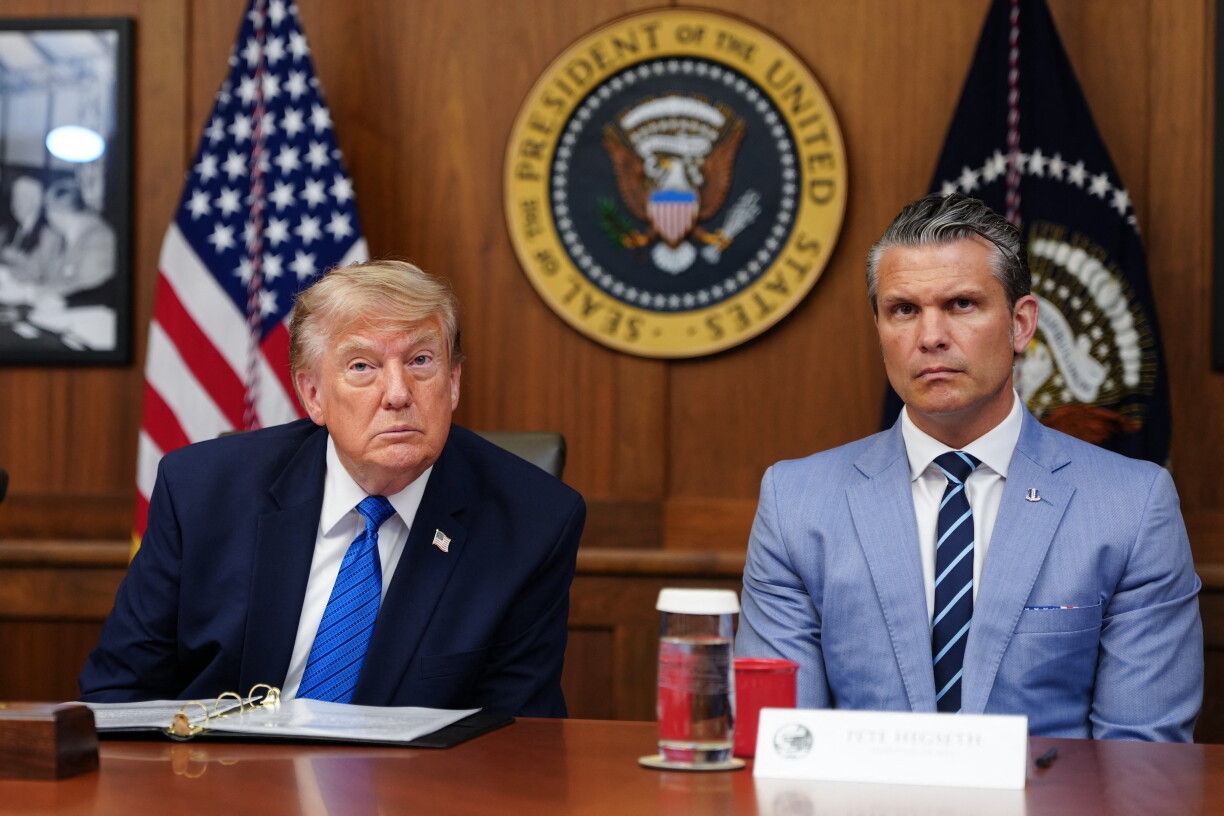
There are several reasons why Europeans should pay close attention to the US midterms. Professor Glaurdic explained that the war in Ukraine was probably the biggest, even though the war in Iran was quickly becoming the second most important factor. The impact on energy prices and the cost of living is felt everywhere, circumstances which also affect people protesting across Europe.
Questions of Europe’s independence, for example, regarding reliance on American technology, are also at stake. Pension funds across Europe invest heavily in US markets, inextricably linking both economies, which is why Europe's success is closely tied to the economic success of the United States.
Beyond economics, the US continues to set political trends worldwide. Trump’s style of politics has inspired politicians globally, from the AfD in Germany, to the Rassemblement National in France, Aleksandar Vučić in Serbia, Viktor Orbán in Hungary, and Bolsonaro in Brazil. All these leaders are all closely connected to Trump’s orbit.
While the level of toxicity that has spread worldwide is enormous, Glaurdic still sees reason for optimism with Vučić and Bolsonaro losing elections. In this sense, the midterms might bring a bit more hope as well.





