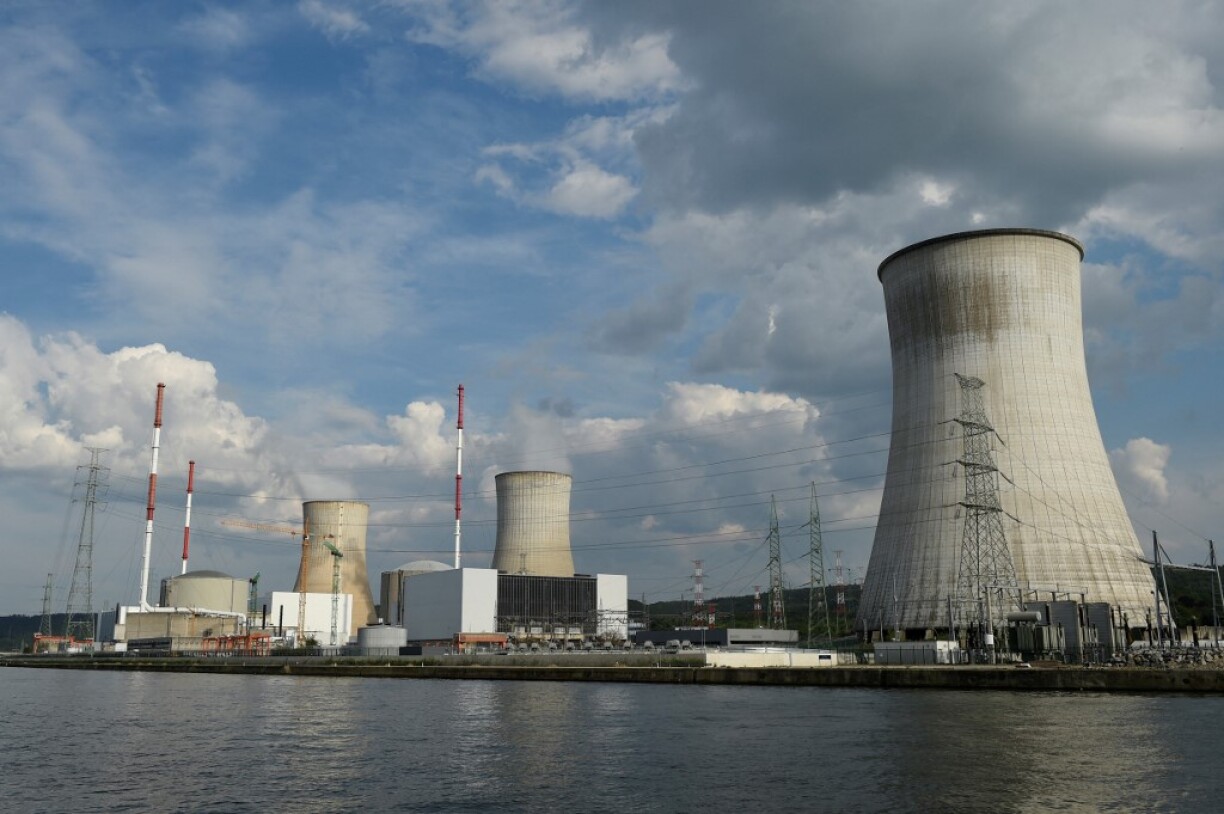
As part of the cross-border consultation organised by the Ministry for Environment, Climate and Sustainable Development, Greenpeace has published an independent analysis highlighting gaps in the project's documentation and safety measures.
Specifically, the report highlights problems with the disposal of nuclear waste and the dangers of natural disasters.
Roger Spautz from Greenpeace emphasises the need for transparency: "People and politicians have a right to know what deficits Doel 4 and Tihange 3 have compared to current security requirements. Furthermore, they should receive information about which upgrades are technically possible but shall not be carried out for economic reasons."
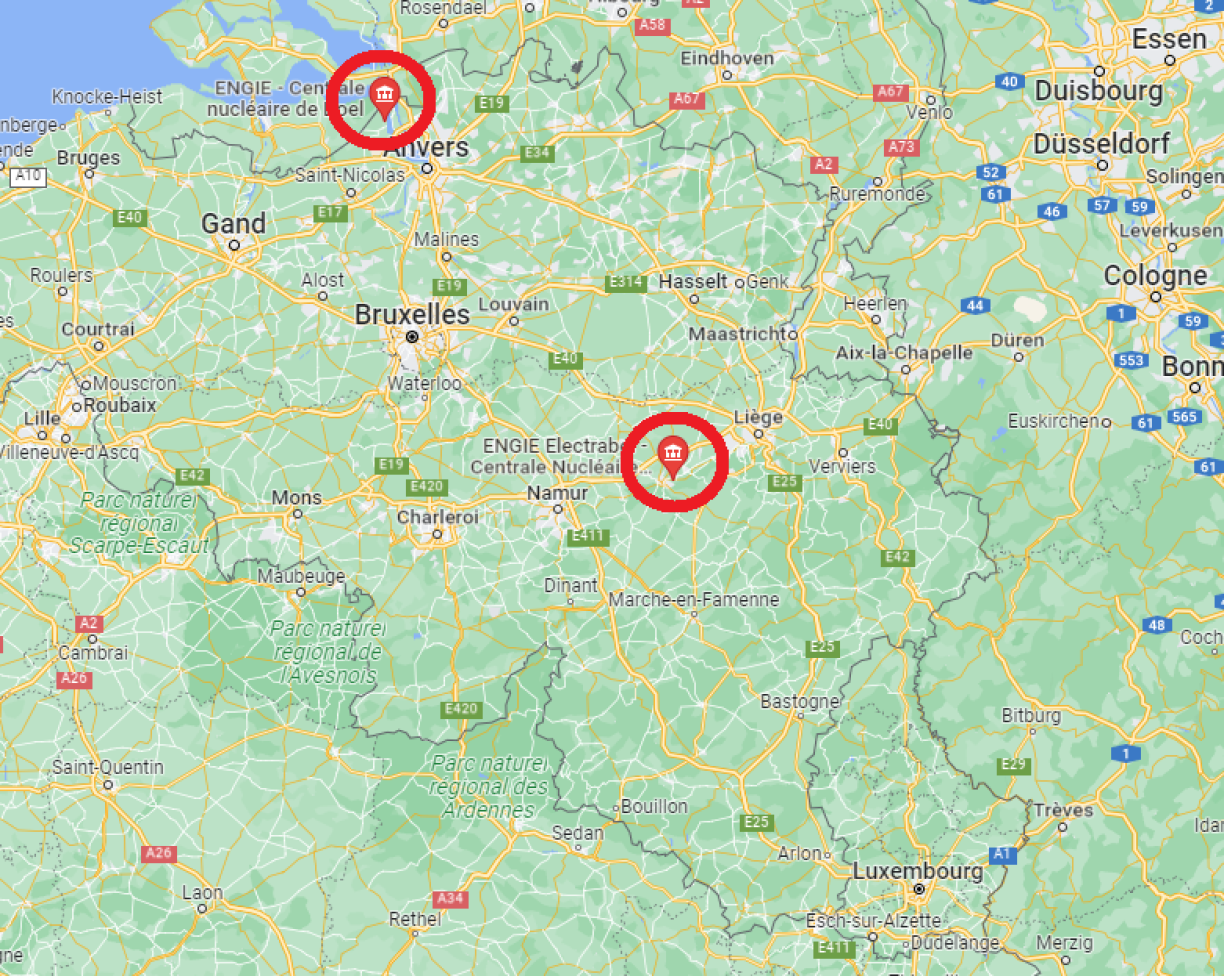
The analysis reveals shortcomings in the safety concept of the reactors, as they do not meet current safety requirements and regulations. This raises concerns over increased risks associated with extending their lifespan. Greenpeace warns that "the security requirements for the lifetime extension are to be reduced, which automatically leads to an increase in risk."
Read more: Energy Minister Claude Turmes 'concerned' after cracks found in nuclear reactor
Read more: Residents invited to public consultation on Belgian nuclear reactors
Highlighting the importance of preventing core meltdown accidents, the report states that this fundamental safety objective has not been met for Doel 4 and Tihange 3.
Greenpeace further points out that the Environmental Impact Assessment, which highlights response measures to potential accidents, does not calculate accidents as worst-case scenarios. In fact, "large parts of Europe could become contaminated" in the event of a major accident at Doel 4 or Tihange 3.
The nuclear powers plants of Doel and Tihange are expected to extend operations for ten more years until 2037. Belgium's federal government considers that the power plants play an essential role in securing the country's electricity supply.
Based on the opinions and comments received by residents, organisations as well as other European governments, Belgium's parliament will then discuss the tabled bill.





