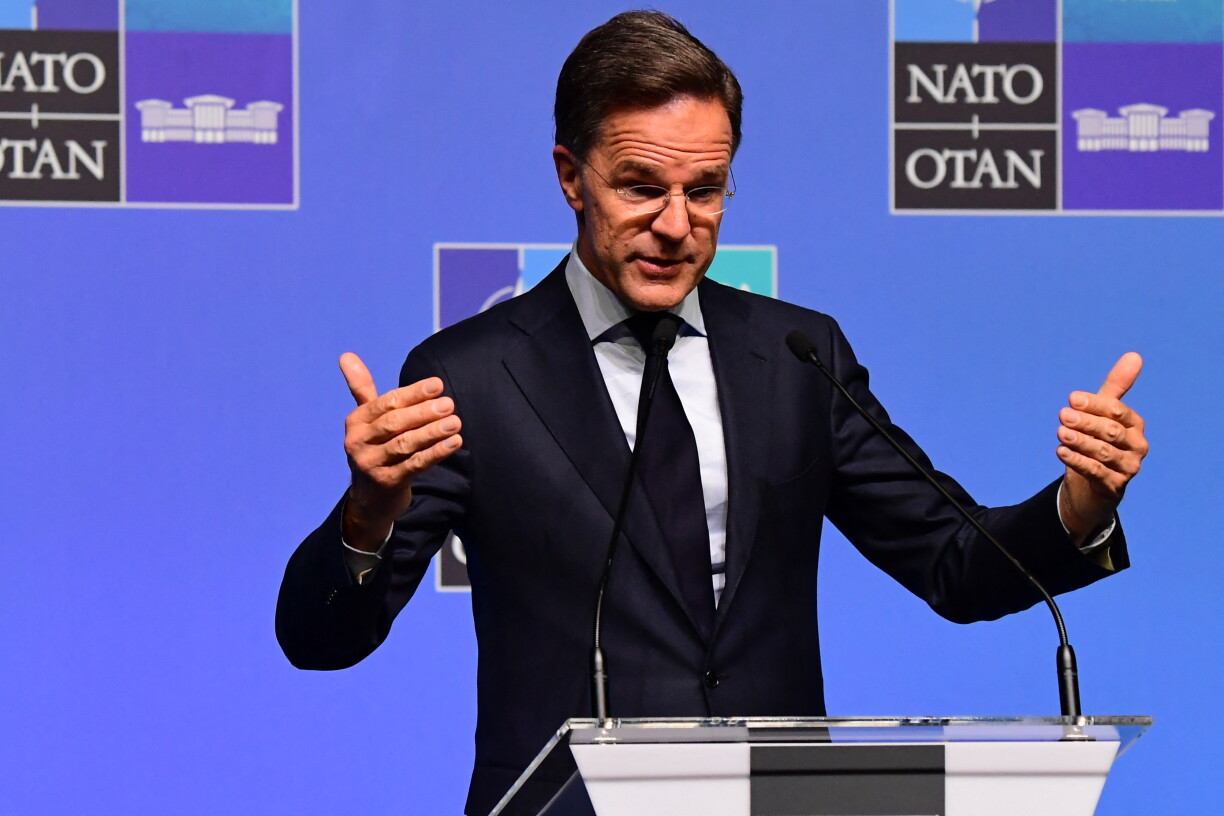
As geopolitical tensions continue, NATO finds itself under pressure on multiple fronts, including Russia’s ongoing war in Ukraine, the conflict in the Middle East, and continued criticism from US President Donald Trump.
Against this backdrop, one of the key questions for NATO members gathering in Ankara is whether the United States remains a reliable partner for European security.
Washington has repeatedly urged European allies to take on a greater share of the alliance’s financial burden. On Monday evening, NATO Secretary General Mark Rutte announced that European countries and Canada have now increased their investments in defence and security to 4% of their combined GDP.
Rutte expressed confidence that, over the course of the two-day summit, every member state would present credible plans for how they intend to reach the alliance’s target of spending 5% of GDP on defence within the coming years.
For Luxembourg, the calculation differs slightly: national spending is based on Gross National Income (GNI) rather than GDP. By 2035, Luxembourg aims to allocate 1.5% of its GNI to resilience measures and 3.5% to military capabilities.
The current trajectory, valid until 2029, outlines an intermediate target of spending 2.3% of GNI on defence, which amounts to €1.66 billion per year.





