Unusually high temperatures are taking a serious toll on Luxembourg’s insect populations, from butterflies and wild bees to beetles, hoverflies, and mosquitoes. According to the Nature Conservation Syndicate SICONA, which is particularly active in the southwest of the country, insects can suffer severe stress or even die from heat shock. The group highlights that well-meaning gardeners often make mistakes that worsen the problem and urges a rethink of garden and balcony planting.
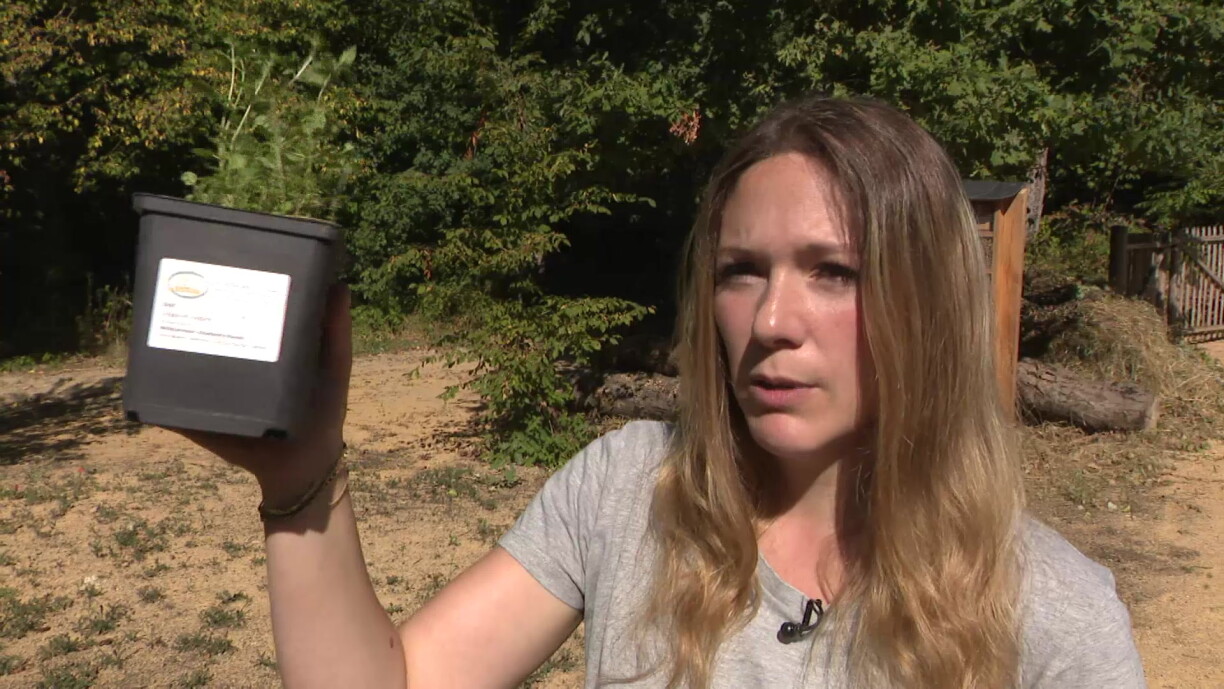
SICONA's experts stress that ongoing climate shifts have thrown insect life cycles into disarray. Flowers are blooming too early and fading too soon, or in some cases drying out before they can even flower, making it increasingly difficult for insects to find the nectar they need to survive. Lisa Siebenaler, an entomologist with SICONA, emphasises the importance of native plants, explaining that oregano is an excellent nectar source for our pollinators, and thyme is also a great food plant. She recommends purchasing plants that are certified as local species.
Many people opt for showy, non-native plants like butterfly bushes or easy-care geraniums, thinking these will help pollinators. In reality, SICONA warns that such choices are misguided. As Siebenaler points out, geraniums are completely sterile and of no use to insects: "You might as well plant plastic flowers." In addition, many seasonal flowering plants are heavily treated with pesticides to enhance their appearance. These chemicals can poison insects, and even if not deadly, bright colours may attract pollinators that quickly find there is nothing to eat.
With grass growth stalled by the heat, mowing is less of a priority – but when you do mow, SICONA recommends avoiding a quick clean sweep. Ecologist Charlie Simon explains the importance of leaving a variety of habitats in your garden, such as piles of stones that provide cool, damp shelter, or dead wood and stacked grass cuttings, which serve as vital refuges for insects. Watering should be done just two or three times per week, ideally in the early morning or later in the evening, and always in the shade for maximum absorption. Creating a native wildflower meadow is another excellent step: even where grass has withered, sowing local wildflower seed mixes in September can establish more resilient habitats, and will even work on poorer soils.
Finally, making sure to provide fresh water in the garden for insects to drink is always important – especially during hot spells.





