The international fund designed to compensate poor countries for climate-related loss and damage is still figuring out how to provide that assistance after disasters, its two co-chairs acknowledged in an exclusive interview with AFP.
Debates over the future model of the Fund for Responding to Loss and Damage illustrate one of the central issues at COP31 in Turkey this week: money to help the poorest countries rebuild and adapt is scarce and slow to arrive.
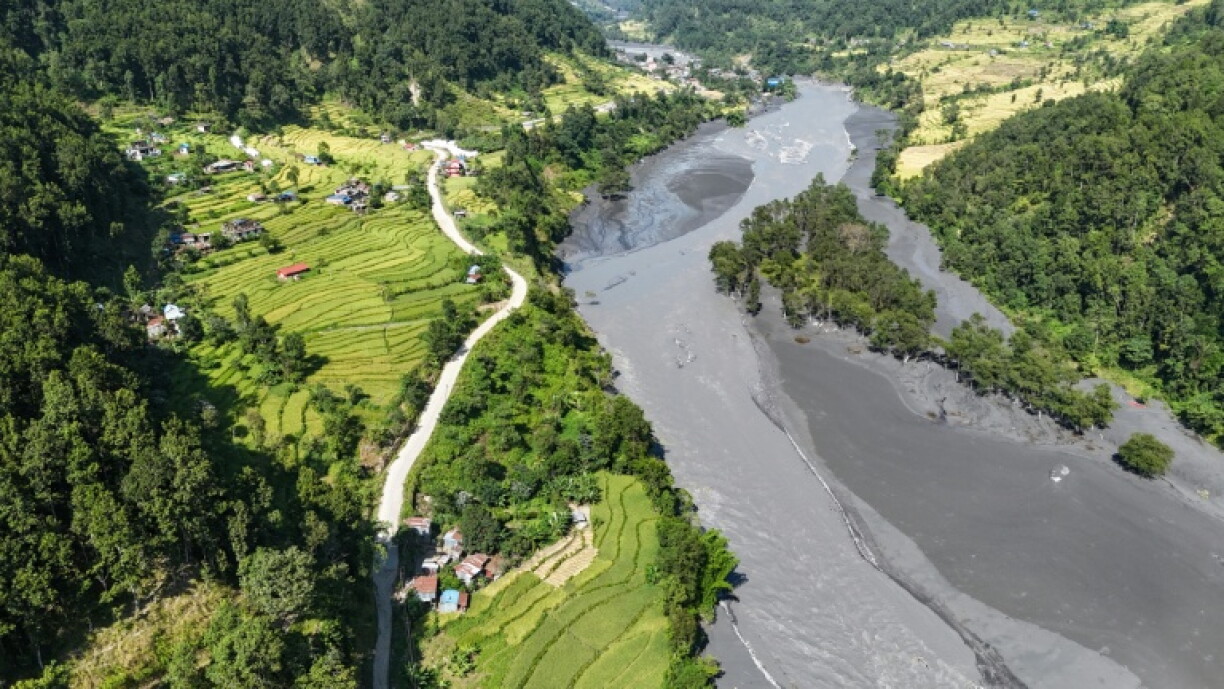
In a first, the fund set aside $20 million in October to help Nepal rebuild after deadly floods in August, but only following a special request, pressure from developing countries and an extraordinary board meeting.
Normally, countries seeking grants must apply during a designated window, undergo a review process and wait months for an answer.
At the October meeting, several board members representing developed countries warned the decision on Nepal did not change the fund's normal process, which has faced accusations of sluggishness from the most vulnerable countries since its inception.
But did the swift response to Nepal set a precedent?
"I don't think so yet," said Georg Børsting, the Norwegian official who has co-chaired the fund's board since January alongside Camila Minerva Rodriguez Tavarez of the Dominican Republic, a former environment ministry and Oxfam official.
"The precedent that was set was that the board proved that it was able to do this type of extraordinary meeting," Børsting told AFP shortly before COP31.
Rodriguez Tavarez said the response to Nepal showed the board was "ready to take action" but cautioned against unrealistic expectations as it fine-tuned its working methods.
"This will be an opportunity to learn on how the fund works. We are not an emergency response fund. This is not humanitarian aid," she said.
"The fund is defining right now how it liaises with that first emergency response, with longer-term recovery actions, where is the specific value added of a loss and damage response."
But it faces a stark financial reality: the fund has very little money compared with the scale of need.
"We are saying we will try," said Rodriguez Tavarez.
"We can only ever act within the mandate and the amount of money that we have."
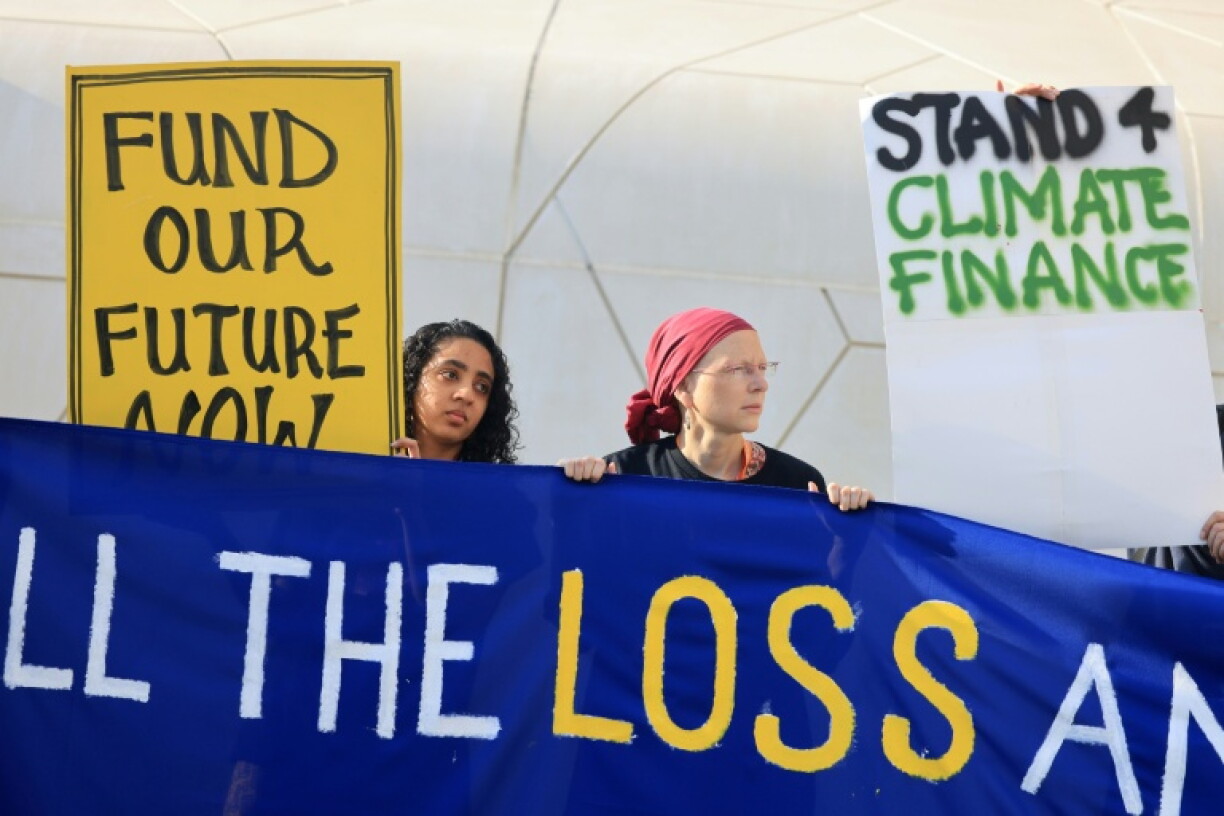
The fund was a hard-won victory for developing countries at COP27 in Egypt in 2022.
Since its establishment, with a secretariat hosted by the World Bank in Washington and a board dominated by representatives of developing countries, wealthy nations have pledged $822 million, but no money has yet been disbursed.
Of 176 requests submitted earlier this year for a total of $2.8 billion, only projects in four countries -- Jamaica, Ivory Coast, Nigeria and Haiti -- were deemed ready for approval at the board's July meeting in the Philippines.
The board ultimately postponed its first funding announcements until December, pledging to award a total of $92 million.
Each project can request between $5 and $20 million.
"The needs are absolutely in the billions," Rodriguez Tavarez said.
"Everyone needs to acknowledge that one single fund is never going to be able to meet all of that demand," Børsting added.
"Where is it this fund can be helpful and make a difference? That remains to be seen in the future. There's no clear answer to that."
ico/jum/np/phz


