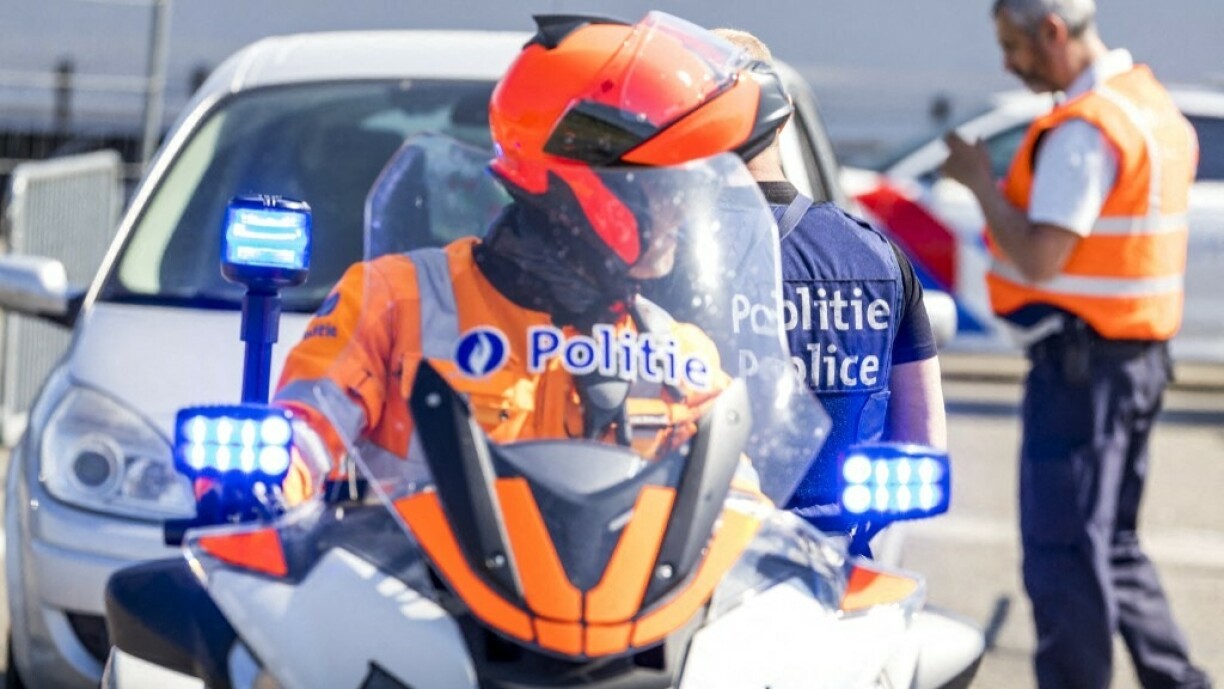
Belgium will become the third of Luxembourg’s neighbouring countries to implement border controls this summer, joining France and Germany in tightening measures aimed at curbing illegal migration.
The decision was announced on Thursday by Belgian Interior Minister Bernard Quintin and Asylum and Migration Minister Anneleen Van Bossuyt, who framed the checks as part of the government’s broader effort to combat irregular migration and enhance security. Controls will focus on major roadways, motorways, international bus routes, select trains – including at Brussels’ Gare du Midi – and airports.
The move comes in response to stricter border policies adopted by neighbouring countries. According to Quintin, the checks aim to reduce illegal immigration and crime, with particular attention given to individuals who have already filed asylum applications in other countries where they were approved.
However, officials emphasised that these will not constitute “traditional” border checks. Unlike Germany’s temporary controls, Belgium’s measures will target specific checkpoints rather than enforcing systematic inspections at all crossings.
Luxembourg’s Minister for Home Affairs, Léon Gloden, sought clarification from Belgian authorities regarding the newly announced border controls. On Friday, Gloden confirmed that Belgium has assured Luxembourg there will be no checks at their shared border.
The Belgian measures at the country’s borders with the Netherlands, Germany, and France will also be conducted on inland roadways rather than at border crossings. However, Gloden emphasised that no checks whatsoever, including on inland roadways, are planned for the Belgium-Luxembourg border region.
Regarding Germany’s ongoing border controls, Gloden told our colleagues from RTL.lu that while German Interior Minister Alexander Dobrindt had promised to relocate the A13 checkpoint near Schengen inland, no timeline for this change has been provided.
The announcement has drawn criticism, particularly from the opposition Green party, Groen. MP Matti Vandemaele dismissed the plan as a “symbolic shambles”, accusing the government of stoking public anxiety with “unrealistic measures” and warning of potential disruptions to traffic.
Border checks within the Schengen Zone remain contentious. The debate was recently reignited after a German administrative court ruled that rejecting asylum seekers at the border is illegal.





