The highly anticipated conclave to elect a new pope officially begins today as Catholic cardinals from around the world gather in the Sistine Chapel to choose the next leader of the Roman Catholic Church.
This centuries-old process, marked by solemn tradition and secrecy, will continue until a candidate receives a two-thirds majority vote. Once elected, the decision will be announced to the world through the iconic signal of white smoke rising from the chapel’s chimney.
To better understand this historic event, we have a selection of brief guides on the following topics to help you navigate the historic vote as it unfolds:
The upcoming papal conclave at the Vatican is set to be historic, with a record 133 cardinal electors from 69 countries gathering to choose the next pope for the world’s 1.4 billion Catholics. Most of the electors – 81.2% – were appointed by Pope Francis, and 108 will be voting in a conclave for the first time.
The average age is just over 70, with Ukraine’s Mykola Bychok the youngest at 45. Italy still has the largest national presence with 17 cardinals, though their dominance has waned.
Fifteen countries are represented for the first time, and 18 religious orders will participate. The process, conducted in strict secrecy in the Sistine Chapel, allows for up to four votes daily, with 89 votes needed to elect a pope.
Though the conclave can technically last weeks, recent history suggests a decision within two days.
Cardinals are high-ranking officials in the Catholic Church, appointed or “created” by the pope to assist in Church governance and serve as his closest advisors. With 252 worldwide, only those under 80 – currently 133 – are eligible to vote in a conclave to choose a new pope, a role that grants them the title of “pope-makers”.
Cardinals often serve as bishops in their home countries or hold senior positions in the Vatican. Clad in scarlet red, symbolising both power and sacrifice, they rank just below the pope in Church hierarchy.
While once enjoying extensive privileges, recent reforms under Pope Francis have scaled these back, including salary cuts and the loss of rent-free Vatican housing. Francis has also expanded representation by appointing cardinals from less traditional regions, reshaping the Church’s future leadership.
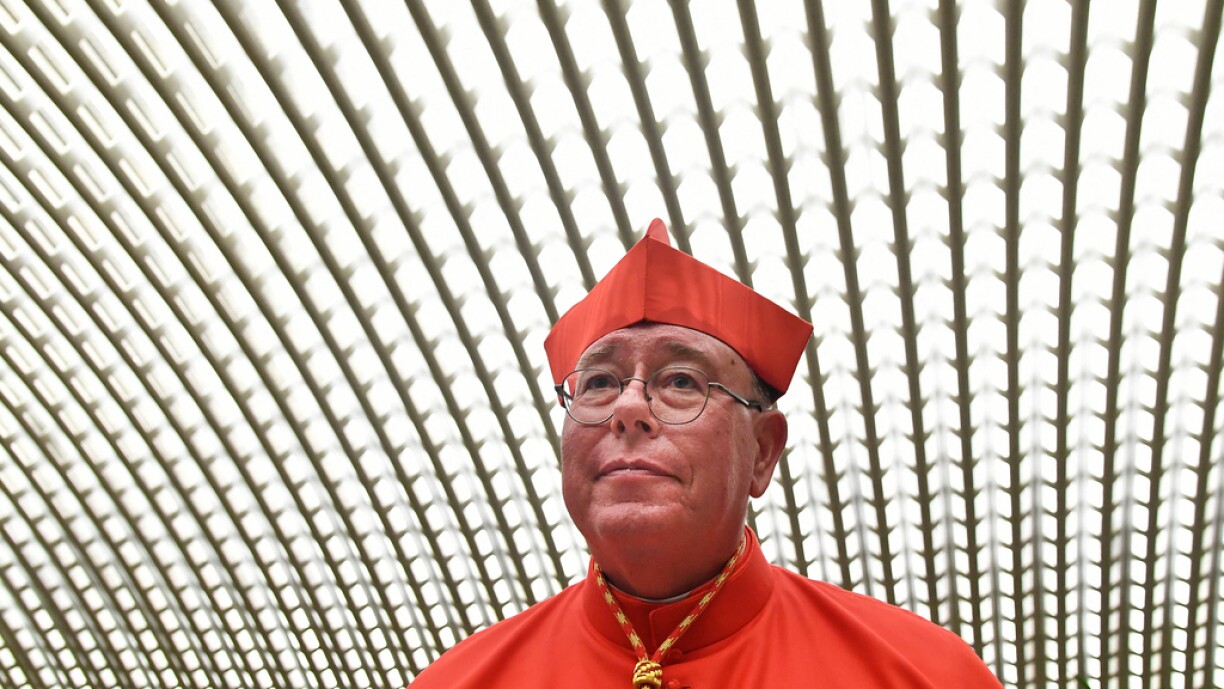
Following the death of Pope Francis, Luxembourg’s Cardinal Jean-Claude Hollerich has emerged as a possible contender to succeed him, though he modestly downplays his chances. A Jesuit and key advisor to Francis, Hollerich is known for his reform-minded views and openness to modern societal issues, including clerical celibacy and Church accountability.
Media outlets have named him among the “papabili” – potential future popes – thanks to his alignment with Francis’ inclusive vision.
As the Church mourns, with over 400,000 attending Francis’ funeral and daily services marking the traditional nine-day period, the faithful express both hope and anxiety about the direction the next pope will take. While many hope for continuity, experts warn that Francis’ successor may choose a different path despite the current reformist majority among voting cardinals.
The centuries-old tradition of using smoke to signal the outcome of a papal conclave has evolved significantly over time. Originally intended to prevent vote tampering, burning ballots eventually became a symbolic act, with black smoke indicating no decision and white smoke announcing a new pope.
The first use of white smoke was in 1914, and since 1958, chemicals have been added to enhance clarity. A second, modern stove was introduced in 2005 to improve visibility, using specific chemical mixtures for black or white smoke.
A technician remains on standby throughout the conclave to ensure everything runs smoothly. To avoid confusion, the bells of St Peter’s Basilica now also ring out alongside the white smoke to confirm the election of a new pope.
When a new pope is elected, choosing a papal name carries deep historical and symbolic weight, a tradition dating back to the sixth century when a priest named Mercurius became Pope John, rejecting his pagan name. Since then, most popes have adopted names that reflect past leaders or saints, avoiding controversial figures.
While names like Francis, John, or Paul evoke reform or compassion, others such as Celestine, Pius, or Alexander come with complex or tainted legacies – from resignations to accusations of moral corruption. Some names, like Peter, remain effectively off limits due to theological reverence and apocalyptic prophecy.
The chosen name can shape global perceptions of the new pope’s intended path – continuity, reform, or return to tradition.
The pope, considered the successor of St Peter, serves as the spiritual leader of the world’s 1.4 billion Catholics and the head of the Vatican City State. His role spans doctrine, diplomacy, and daily governance: he interprets and teaches the faith, appoints bishops and cardinals, and oversees canonisations.
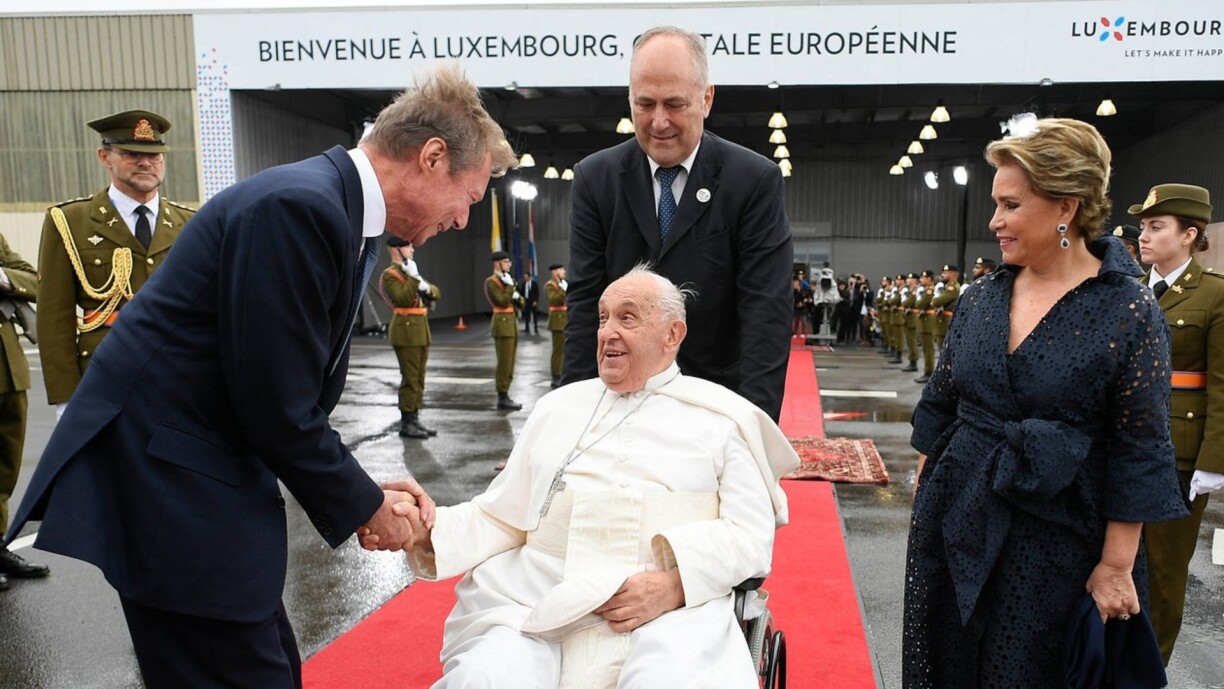
As a moral voice with global influence, the pope addresses key issues through writings like encyclicals and apostolic exhortations. He also travels internationally to connect with the faithful and highlight causes, as Pope Francis often did – including a trip to the Grand Duchy in 2025.
Though officially Bishop of Rome, much of the pope’s local duties are delegated due to his global responsibilities.
The Vatican is the smallest independent state in the world, covering just 44 hectares and home to around 900 residents, including the pope, clergy, and lay workers. Created in 1929 through the Lateran Accords between Pope Pius XI and Mussolini, the Vatican holds both religious and political authority, with the pope serving as absolute ruler.
Governed by the Holy See and administered through the Roman Curia, the Vatican runs its own newspaper, TV service, and bank, and offers services like a pharmacy, post office, and even a miniature railway. Its symbols include the Latin-sung national anthem and a flag bearing the keys of St Peter, reflecting its unique status as the heart of the Catholic Church.https://today.rtl.lu/news/world/a/2300745.html





