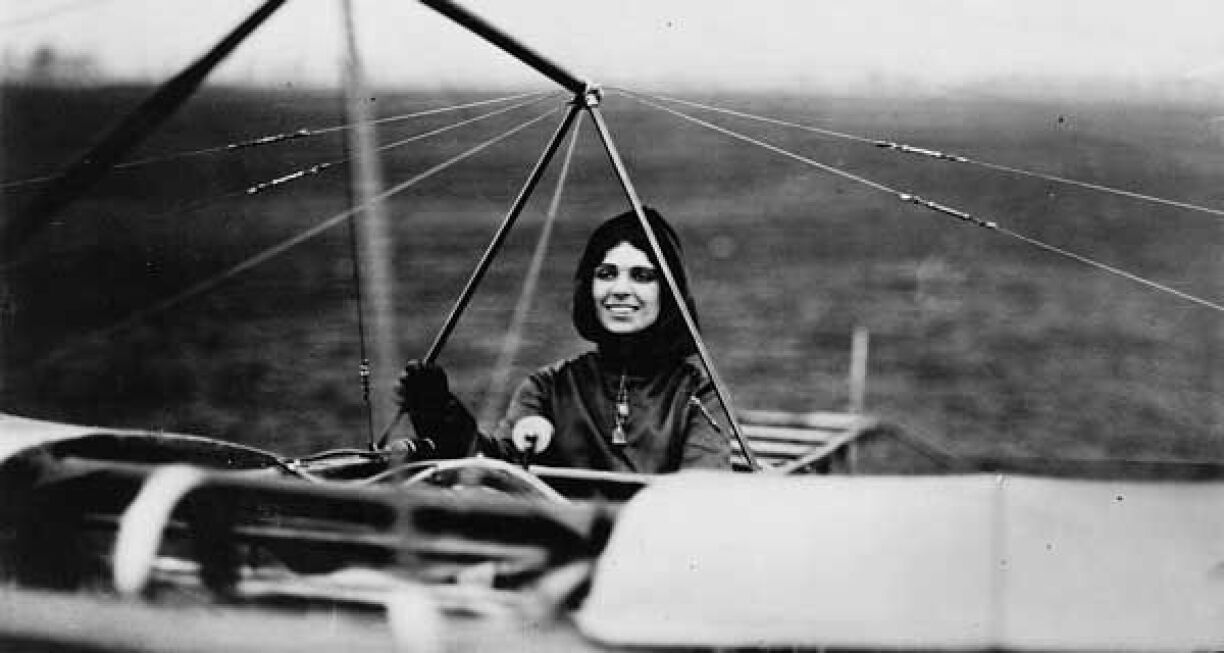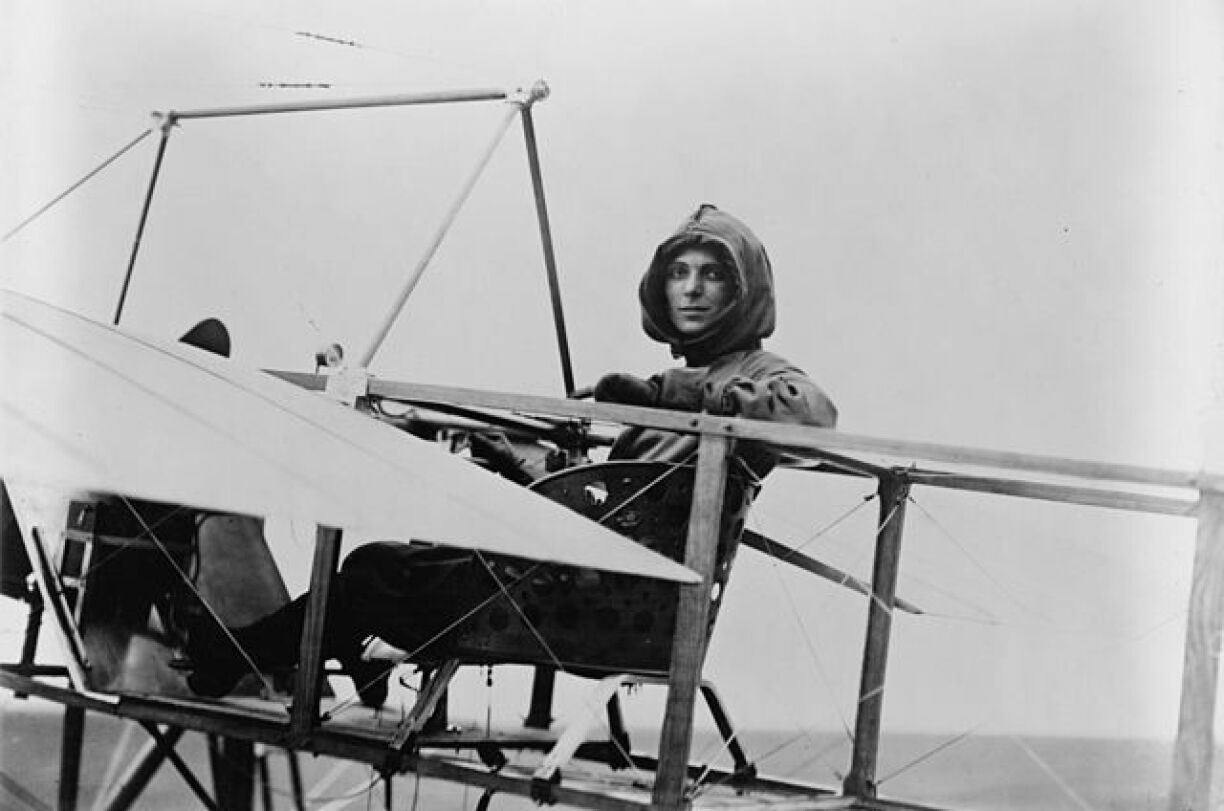
Quimby, an American aviator and journalist, had already made a name for herself in the aviation world, becoming the first licensed female pilot in the United States just a year prior. The 23-mile flight from Dover, England to Calais, France was a feat of bravery and skill, as Quimby battled strong winds and poor visibility throughout the journey. She flew a single-engine Blériot XI monoplane, a popular aircraft of the time, which was notoriously difficult to control in adverse weather conditions.
Despite the challenges, Quimby successfully landed in Calais just 59 minutes after taking off from Dover, becoming an instant celebrity on both sides of the Channel. Her achievement not only paved the way for other female pilots but also challenged the prevailing gender norms of the time.
“There is no reason why the aeroplane should not open up a fruitful occupation for women. I see no reason they cannot realize handsome incomes by carrying passengers between adjacent towns, from parcel delivery, taking photographs or conducting schools of flying.”
Tragically, Quimby’s pioneering career was cut short just three months later when she died in a plane crash during an aviation exhibition in Boston. However, her legacy as a trailblazer in aviation and a champion for women’s rights has endured and continues to inspire generations of aviators and women around the world.
In recognition of her historic flight across the English Channel, Quimby was posthumously inducted into the National Aviation Hall of Fame in 2003, cementing her place in aviation history.