The joint United States and European Space agencies (NASA and ESA) have released a range of out-of-this-world images showcasing the vast beauty of our solar system, the wider universe, and the impact of global warming on our own planet.
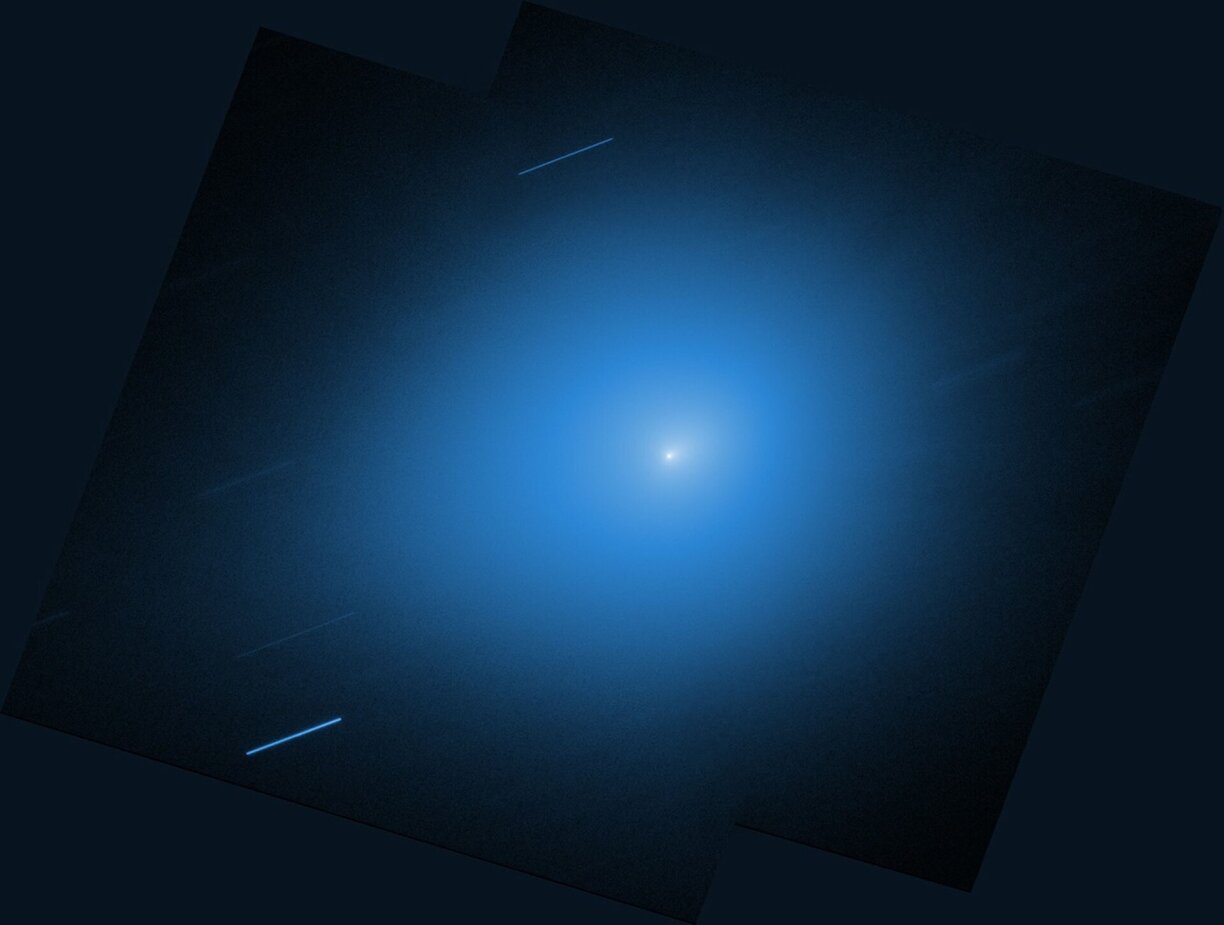
The now well-known 3I/Atlas comet was observed on 30 November at about 286 million kilometres from Earth. The satellite tracked the comet during the exposure, producing a streaked pattern of blue lines that are in fact background stars.
RTL Today has previously reported on the object, which originates from beyond our solar system – further information is available here.
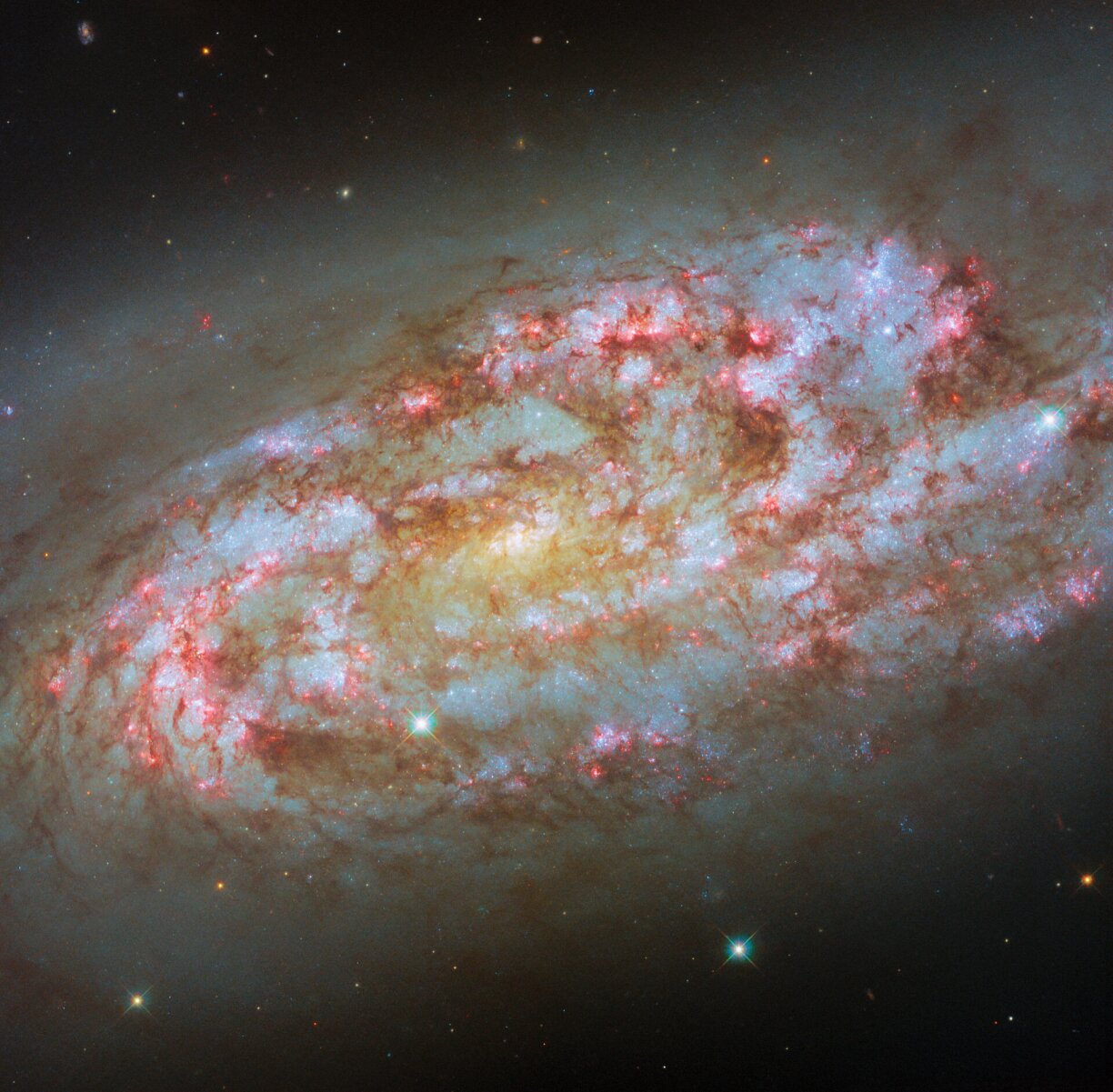
The NASA and ESA's Hubble picture of the week is an image of a "a stormy and highly active spiral galaxy named NGC 1792", which is around 50 million light-years from our own planet. The galaxy is of interested to astronomers with its chaotic form, which the ESA calls a "powerhouse of star formation". This is not the first time Hubble has targeted this unique feature of our universe, and it was the focus of much research and imaging throughout 2020. This image provides further data collected throughout 2025, offering a more comprehensive insight into this fascinating area of space.
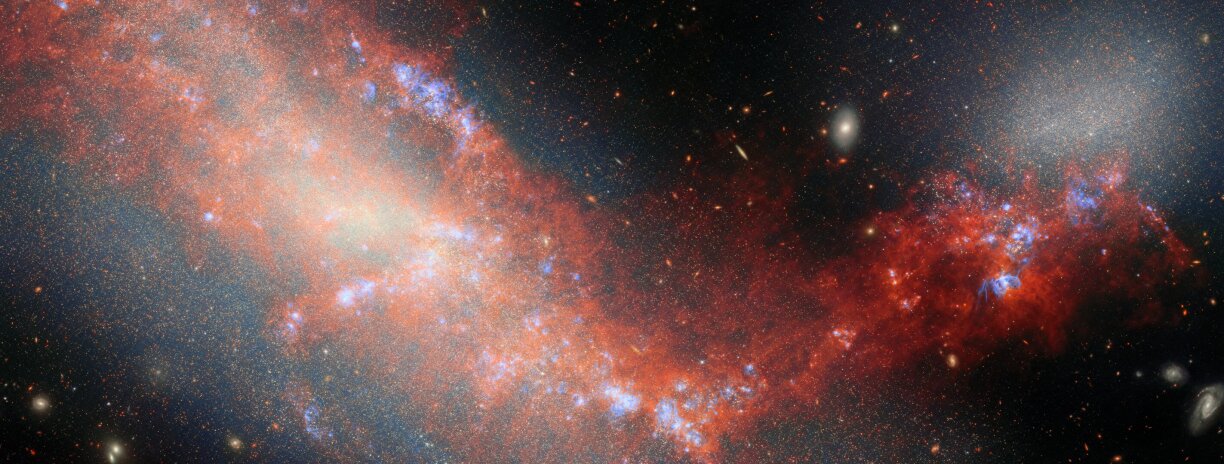
The ESA's picture of the month, taken on the James Webb telescope, shows a pair of dwarf galaxies entangled with each other, creating what the ESA calls a "gravitational" dance. The galaxies are about 24-million light-years away.
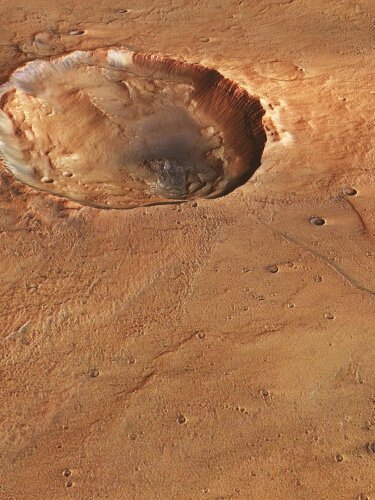
The ESA's Mars express provides an overhead view of the Ideaus Fossae region of Mars, an area known for its "dark volcanic minerals", the formation is what is named a "butterfly crater" by the astronomers – a term used in geology and planetary science to describe asymmetric craters formed when a projectile strikes a surface at a very shallow, oblique angle.
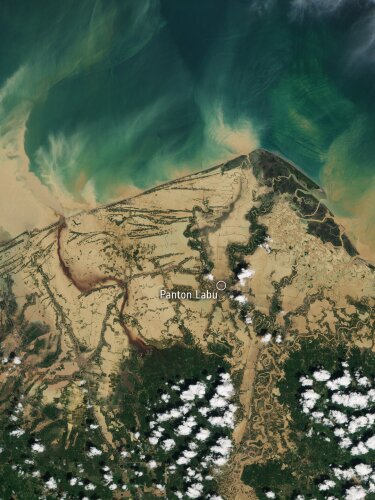
Not all of the pictures were from our galactic neighbours, and this image from the Copernicus Sentinel-2 shows the impact of the recent flooding in Indonesia. The natural disaster has cost over 900 lives, with rain continuing to wreak havoc in the region.





