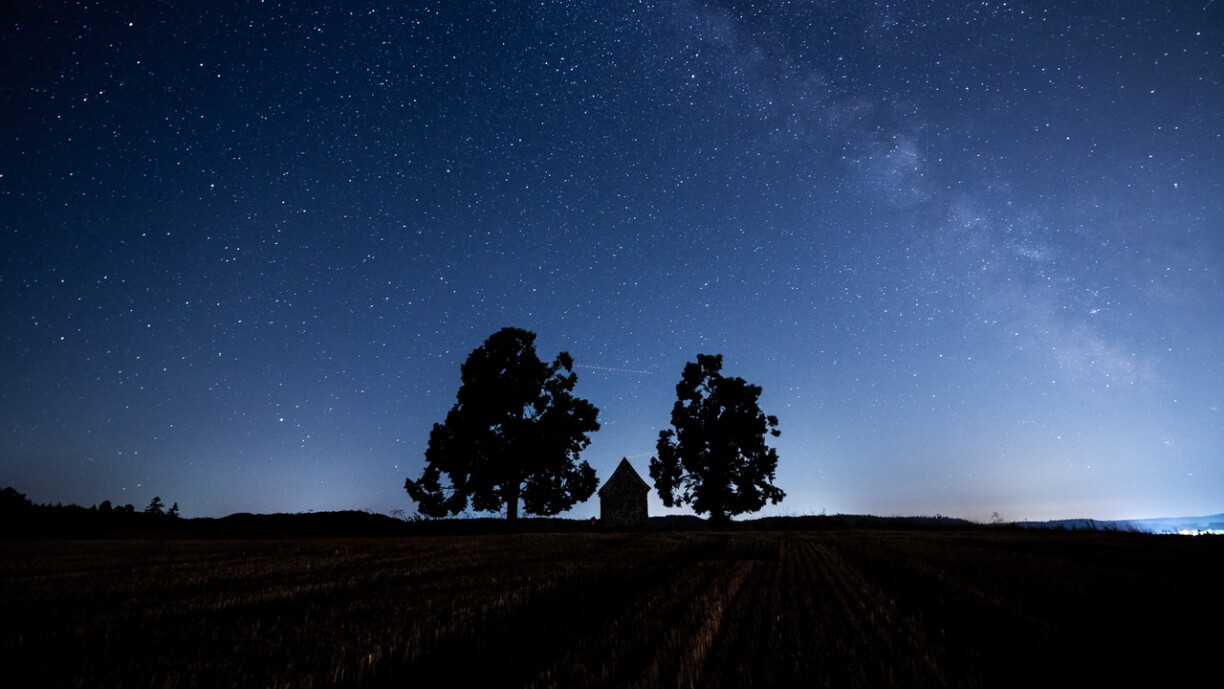
Eight planets orbit the Sun. We live on one, while the other seven can often be seen at night. For all seven – Mercury, Venus, Mars, Jupiter, Saturn, Uranus, and Neptune – to align and be visible together in the sky is extremely rare. This phenomenon only occurs once every few decades and is often referred to as a 'planetary parade' in popular terms.
This year, the special alignment will be visible from Earth, best observed on the evening of 28 February. The reason for this is that the planets are positioned on the same side of the Sun when viewed from Earth. This alignment brings the planets closer to our planet, allowing them to reflect more sunlight towards us.
Where are the planets positioned?
Four of the planets – Mercury, Venus, Jupiter, and Mars – are visible to the naked eye. For Uranus and Neptune, it is best to use binoculars or a small telescope. Saturn is the most difficult to see, so the exact time and location from which you wish to observe it is important.
The planets' positions are as follows:

Even from Luxembourg, this rare alignment is visible, as confirmed by amateur astronomers in the country. The best view is early in the evening from a location free from obstructions, with a clear, dark sky and an unobstructed view to the south and west. However, good weather is also required, which, according to forecasts, may not be the case this Friday evening.
Meteorologist Luca Mathias from MeteoLux confirms, "It looks like the sky will not be completely clear, but rather slightly cloudy, with heavier clouds possibly over the Éislek region."
If the planetary parade is not visible due to the weather, you can look out for it again on 10 August, when a similar planetary alignment will be visible in the morning sky.
If you capture photos of the planetary alignment this evening, feel free to send them to us via email at foto@rtl.lu. A gallery of the photos will be published on Saturday.





