As the battue hunting season for deer, roe deer, and wild boar approaches, running from 17 October to 31 January across much of Luxembourg’s woodlands, Marc Reiter, Vice President of the Luxembourg Federation of Hunters, defended the necessity of these often-debated driven hunts.
Speaking to RTL Radio on Tuesday morning, Reiter explained that these hunts are essential to regulate game populations and achieve the legally required culling quotas. He noted that while battue hunts cause short-term disturbance to nature, they serve to maintain ecological balance and the long-term health of forests.
Reiter contrasted battue hunting with traditional forms, which are more selective and yield only a limited number of animals, making them insufficient for effective population management.
Safety during battue hunts remains a significant concern. Hunters are required by law to post clear signage about ongoing hunts, and a new national awareness campaign is set to launch in mid-October. Reiter welcomed the government’s support, explaining that hunters now have a nationwide permit to place warning signs, streamlining the process and enhancing safety for hunters, their dogs, and the public.
He emphasised that the signage is not only for the protection of hunters but also for motorists and passers-by, as wildlife may bolt across roads during hunts, creating potential hazards. Reiter appealed in particular to motorists to reduce speed on affected roads, as lower speeds offer more reaction time if animals appear unexpectedly.
Walkers and cyclists are also asked to respect warning signs and, when in doubt, seek alternative forest routes. Details of planned battue hunts can be found on the Geoportail map service.
A marked increase in wildlife has been reported in Éislek, northern Luxembourg. “I’m hearing from our teams in the north that there is indeed more game at the moment, though this could be partly a matter of perception”, Reiter commented. There is no formal analysis yet, but he suggested that the large wildfire in Belgium’s High Fens nature reserve this summer may have displaced animals into Luxembourg.
In addition, two wolf packs have established themselves in neighbouring Belgian regions, placing further pressure on game populations. While animals displaced by fire or other factors often return once habitats recover, this depends on the species.
Nevertheless, Reiter underlined that Luxembourg’s hunters have a duty to manage wildlife populations in a way that also supports the sustainable regeneration of forests.
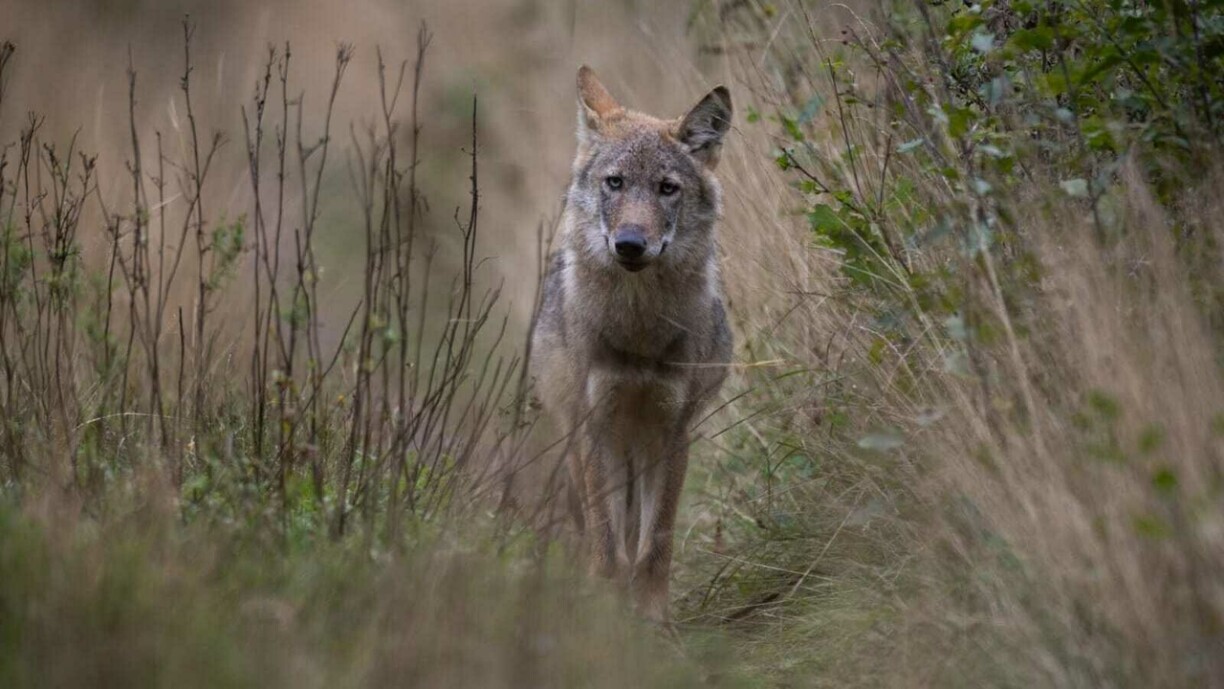
Reiter does not consider the possible permanent presence of wolves in Luxembourg to be a negative development. “We were among the first to participate in the wolf management plan, and we continue to be involved”, he said. He described the wolf as a natural predator that belongs in the ecosystem.
While acknowledging that wolves may cause difficulties for agriculture and horse owners, Reiter stressed the importance of transparency and supporting affected stakeholders. He added that wolves can pose challenges for hunters during battue hunts, as they may perceive hunting dogs as rivals, but Luxembourg can draw on the experiences of other countries to address these issues.
According to Reiter, the dry and hot summer has created additional stress for wildlife. This year’s young animals appear less robust than in previous years, likely because drought limited mothers’ milk production.
However, Reiter pointed out that wild animals adapt, and natural fluctuations are to be expected – though he noted that human activity is a major driver of climate change. Despite this, he emphasised that nature has its own ways of balancing itself.
Reiter explained that the current situation does not automatically require changes to culling quotas. Instead, each hunting district must be assessed individually: where wildlife pressure is high and forest development is threatened, increased culling may be justified, while in other areas current quotas suffice.
He stressed that hunters must tailor their approach to local conditions and receive the necessary resources to do so. New measures discussed at the recent Wildlife and Forestry Table could soon give hunters additional options, pending legislative approval.
At the same time, Reiter called for moderation in the approach to wildlife management: “We are the ones who have shaped nature, and if animals behaved as we humans do, we would have to bear the consequences. Nevertheless, we must let nature be nature, and all living beings have a right to exist.”





