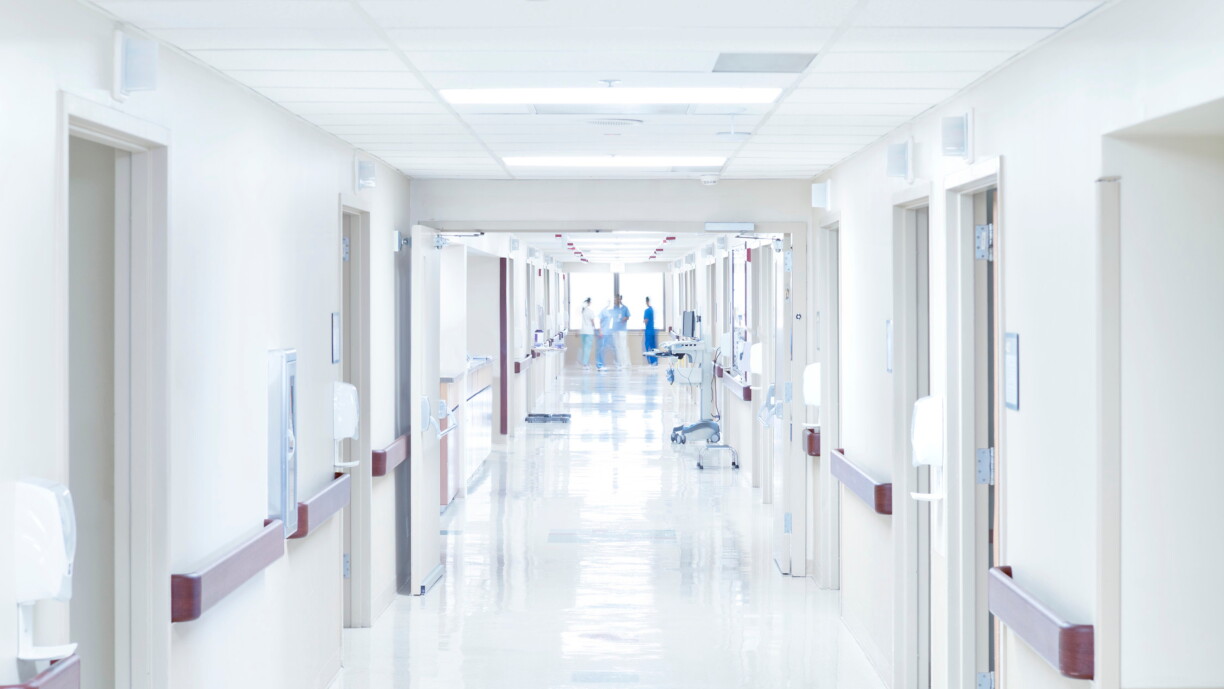
Several patients and families have complained about the high temperatures in the country's clinics in recent days. Doctors are seeing more complications, from severe dehydration and nausea to patients who can no longer keep their oral medication down and have to be switched to IVs.
On top of that, in many hospital rooms windows can only be tilted open a little for safety reasons. Fully opening windows is not permitted, nor possible, in many hospitals.
For many of those affected, one central question remains, namely whether the country's hospitals are truly prepared for increasingly extreme heatwaves.
While Health Minister Martine Deprez drew an initial positive verdict after the recent heatwave, she conceded that the Luxembourg healthcare system is not yet structurally equipped for such temperatures. Unlike abroad, she said, the country had come through the episode relatively well, even though it had been genuinely hot, following a debrief with hospital management and the ministry's health department.
Even so, she made clear that Luxembourg had not really been prepared for the longer term. The past few days had exposed a number of weaknesses, particularly in infrastructure.
Many buildings, she noted, had been designed to cope with winter cold rather than with extreme summer heat.
Emergency rooms saw heavy pressure at certain moments, in particular from elderly people arriving with dehydration or a range of pre-existing conditions.
The minister was full of praise for the healthcare staff: "As soon as it became clear things were going to get busy, hospital management had mobilised their teams. The staff cut their leave short and did not shy away from overtime."
So far, there is no indication that the heatwave has led to a rise in mortality in Luxembourg. In France, there has already been discussion in recent days that the death toll may climb once the heatwave is fully over.
That, however, cannot be confirmed for Luxembourg at this stage.
The heatwave has only just ended, and the ministry is now looking at short-, medium-, and long-term measures. One of the top items is air conditioning.
Mobile air conditioning units are to be organised in the short term. That, however, is not straightforward since in a hospital environment such units have to be filtered, Deprez explained.
Larger orders are nonetheless expected to be placed in the coming days and weeks.
In the medium and longer term, new hospitals and nursing homes are to be fully reviewed, and existing buildings will have to be renovated in stages. The minister was clear, however, that not every patient can expect an air-conditioned room in short order, with priority going to those whose health is acutely at risk from the heat.
There has been considerable criticism of the ventilation restrictions in hospitals. Since windows can only be tilted for safety reasons, many patients and families feel they are being left exposed to the heat.
Asked about the issue, Deprez said she would raise it in her next talks with the hospitals. It is a technical matter, she added, that needed to be analysed on the ground.
To avoid putting hospitals under even greater pressure, the health minister is urging people to turn first to their GP or to a medical centre for less serious problems, rather than heading straight to the emergency room.
Older or otherwise vulnerable people, in particular, should nonetheless seek medical attention quickly if they show signs of severe dehydration or illness.





