
Here are five things you should know at the end of this week:


The national statistics service forecasts a decline in inflation rates to 3.9% in 2023 and 2.5% in 2024, with wage increases expected soon.
Inflation forecast - The latest predictions from the national statistics service provide an optimistic outlook on the economy, forecasting a moderation in inflation rates for the coming years. With inflation expected to dip to 3.9% in 2023 and further decrease to 2.5% in 2024, the conditions are setting up favorably for wage increases.
These numbers are closely aligned with the targets set by the European Central Bank, indicating a harmonized effort to stabilize the economy and increase purchasing power for the average citizen.
Core inflation rising - A deeper dive into the numbers reveals a paradoxical scenario. While the prices of petroleum products, a volatile and often influential factor in inflation calculations, have shown a decline, core inflation has taken an unexpected upward turn, rising by 4.5%.
Core inflation, which discounts the influence of petroleum product prices, provides a clearer view of the broader economic landscape. The drop in food prices, noted at -0.1% in July compared to June, provides a small relief, but is offset by the cost of services, which have surged following the application of the first two indexes for 2023.
Two scenarios - STATEC's projections about future indexations carry significant implications for wages and pensions. Based on the evolving inflation scenario, two possible pathways emerge. In the more conservative estimation, there might be a singular indexation in October 2023, with no follow-up in 2024.
However, a more optimistic scenario envisions two indexations: an immediate one in September 2023, and another to follow in the second quarter of 2024. These indexations are pivotal as they determine the increments in wages and pensions, directly impacting the disposable income of the population.

The upcoming 8 October elections will see over 600 candidates vying for positions, with a significant number running for a second or third time.
Unlike previous elections, there's limited participation from the media and athletic sectors but an increased representation from the medical field.
Six out of the seven parties currently in the Chamber of Deputies have identified a national frontrunner for the election.
Returning candidates - As the national election approaches, the political landscape is bustling with over 600 candidates ready to engage with the electorate. A unique feature of this year's election is the persistence of political ambition, with a remarkable number of politicians seeking office for a second or even third time.
This suggests either a high satisfaction rate among constituents or a strong commitment from these individuals to public service.
Sector representation - This election cycle seems to diverge from previous trends in terms of professional representation. While historically there has been a strong influx of figures from the media and athletic sectors, this year they are sparingly represented.
In contrast, the medical sector has emerged as a notable contender. This shift might be a reflection of current societal concerns or a strategy from parties to emphasize health and wellbeing issues in their campaigns.
Frontrunners - Political strategy is evident in the way parties have positioned their frontrunners. Six of the major parties that are already represented in the Chamber of Deputies have confidently identified a national frontrunner for the election. This move likely aims to consolidate support and provide a clear vision for voters as they head to the polls. Having distinct leaders at the helm can streamline campaigns and clarify party stances for the electorate.
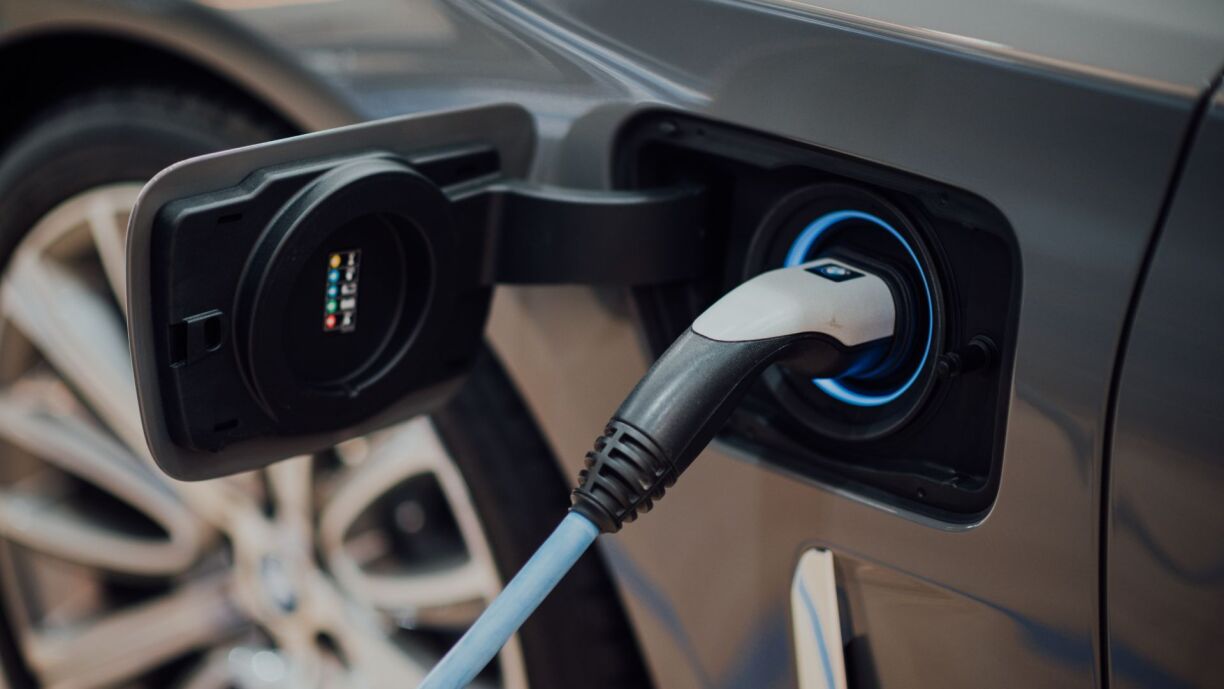
The government has extended financial support for private electric vehicle charging points to further de-carbonise private mobility.
The financial aid covers 50% of the cost of purchase and installation and is now extended to 31 December 2024, with plans for expansion.
Aid can now be received through a leasing company, and over 3,500 individuals have benefited since its introduction in 2020.
Continued commitment - The government's decision to extend financial support for private electric vehicle charging points underscores its commitment to promoting eco-friendly transport options. This initiative by the Ministry of the Environment is geared towards catalysing a major shift in private mobility towards more sustainable choices.
By offering financial incentives, the government hopes to encourage more individuals to adopt electric vehicles and reduce their carbon footprint.
Longer window - The provision of financial aid, which covers 50% of the cost for both purchasing and installing these charging points (excluding VAT), is a significant relief for consumers. By extending the scheme until 31 December 2024, the government is offering a longer window for more people to avail this benefit. Furthermore, the impending expansion suggests that they are not just resting on their laurels but are aiming for even broader impact in the near future.
Leasing an option - The inclusion of leasing companies as a channel through which aid can be received is a strategic move to increase the scheme's accessibility. This caters to a wider demographic that might prefer leasing over outright purchase, and it can potentially fast-track the adoption of electric vehicles.
The fact that over 3,500 individuals have already benefited from the scheme since its inception in 2020 is a testament to its success and a strong indicator of the public's interest in electric mobility.

Ecuador declared a state of emergency following the assassination of presidential candidate Fernando Villavicencio in Quito.
Villavicencio's journalistic investigations led to the imprisonment of former president Rafael Correa.
Due to its location between Colombia and Peru, Ecuador has become a significant hub in the global drug trade, leading to increased violence.
Shocking assassination - Ecuador was plunged into a heightened state of alert after the shocking assassination of presidential candidate Fernando Villavicencio in the capital, Quito. This incident magnifies the rampant concerns over the nation's surge in organized crime and deteriorating safety conditions.
The bold killing of such a high-profile figure, especially in the midst of an electoral campaign, underscores the boldness of criminal entities and the pressing need for governmental intervention to address these challenges.
Fearless journalist - Villavicencio was not just a political figure; he was a renowned journalist whose investigations peeled back the layers of corruption in Ecuadorian politics. His fearless exposure of graft led to the significant sentencing of former president Rafael Correa to eight years in prison.
The weight of his journalistic contributions made his assassination even more poignant, raising questions about freedom of the press, political retribution, and the intricate web of power dynamics in the nation.
Unfortunate borders - The surge in violence in Ecuador cannot be discussed without addressing its unfortunate geographic predicament. Nestled between Colombia and Peru, two major cocaine producers, Ecuador has found itself thrust into the center of the global drug trade.
This strategic location has, over time, transformed Ecuador from a relatively peaceful nation to one where drug-related gang wars and violence are becoming increasingly common. The intensity of this conflict is evident in the skyrocketing murder rates and the ever-present threat posed by organized crime.

A catastrophic wildfire, amplified by hurricane-driven winds, decimated the historic Hawaiian town of Lahaina, resulting in at least 55 fatalities and making it one of Hawaii's deadliest disasters.
Many residents and visitors were caught unprepared by the rapid spread of the fire, with some resorting to jumping into the ocean to escape.
About 80% of Lahaina, once the capital of the Hawaiian kingdom, was destroyed, displacing thousands and prompting a significant relief operation.
Deadly disaster - The town of Lahaina, a cherished historic location in Hawaii, recently experienced an unprecedented disaster as a wildfire, intensified by winds from an approaching hurricane, swept through the area. This event not only razed the town to the ground, but also led to a tragic loss of life, with at least 55 confirmed deaths.
This calamity is now marked as one of the deadliest disasters in Hawaii's history.
Desperate escapes - As the flames rapidly consumed the town, the situation grew increasingly dire for those in its path. The wildfire's rapid progression caught many off guard, leaving them with little to no time to plan an escape.
In desperate attempts to find refuge, some individuals made the harrowing choice to leap into the ocean, hoping to evade the encroaching flames.
History and heritage - The sheer scale of the devastation was profound: approximately 80% of Lahaina, which once proudly stood as the capital of the Hawaiian kingdom in the 19th century, was obliterated. This tragic event has not only wiped away significant portions of the town's history and heritage but has also left in its wake a community grappling with loss and trauma.
Business & Tech - Linda Yaccarino, CEO of social media platform X, said Thursday that the company formerly known as Twitter is "close" to breaking even and is hiring to beef up a staff slashed by owner Elon Musk.
Science & Environment - July was the hottest month ever recorded on Earth, the European Union's climate observatory confirmed Tuesday.https://today.rtl.lu/news/world/a/2066108.html
Entertainment - Greta Gerwig makes cinematic history as the first solo woman director to guide a film past the billion-dollar mark, with her trailblazing "Barbie" blockbuster for Warner Bros.
Eurostat report - With a remarkable 93% of its recent graduates employed in 2022, Luxembourg stands as a beacon of youth employment success in the European Union.
Mobility - Close to two months after the launch of the test phase, the new speed camera in Bereldange will become fully operational on 16 August, meaning that drivers who are flashed can expect to be fined.https://today.rtl.lu/news/world/a/2066108.html
Cargo centre - Luxair has chosen not to pursue the managerial role of the cargo centre that they have historically overseen, sparking concerns among its employees and paving the way for potential new operators in the upcoming public tender.

Your Weekly Recap is published every Friday at noon. Read earlier versions.





