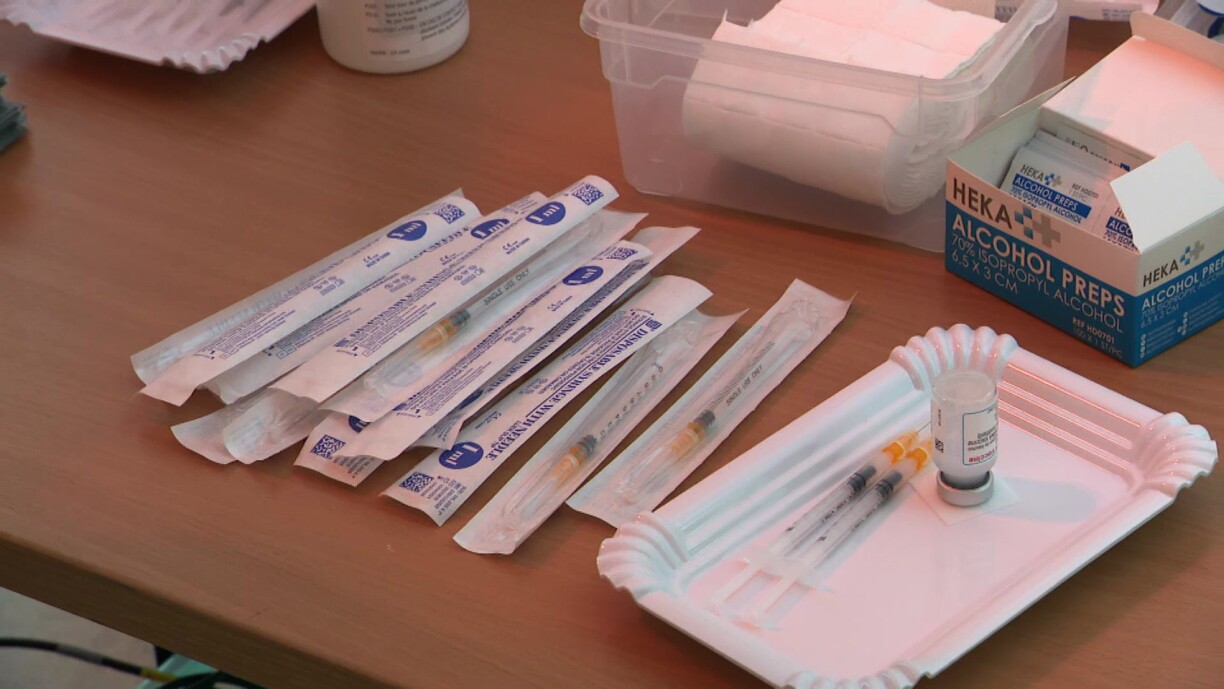
In general, the current virus variants do not result in particularly severe Covid-19 cases. Symptoms often mimic those of a mild cold, such as a runny nose, a slight cough, and a sore throat. However, for vulnerable individuals, taking protective measures, including vaccination, is still strongly advised, according to Dr Jean-Claude Schmit, Head of the National Health Directorate.
Vulnerable groups include people over 65, individuals with chronic health conditions (such as heart or lung disease), and pregnant women. In the case of those suffering from chronic health conditions, Dr Schmit also advises that those in the person's immediate environment get vaccinated again to reduce the risk of virus transmission.
For those who may not fall into the vulnerable category but wish to bolster their protection, Dr Schmit stresses that no one will be denied the vaccine. In addition, individuals have the option to receive both the Covid-19 vaccine and the flu shot at the same time.
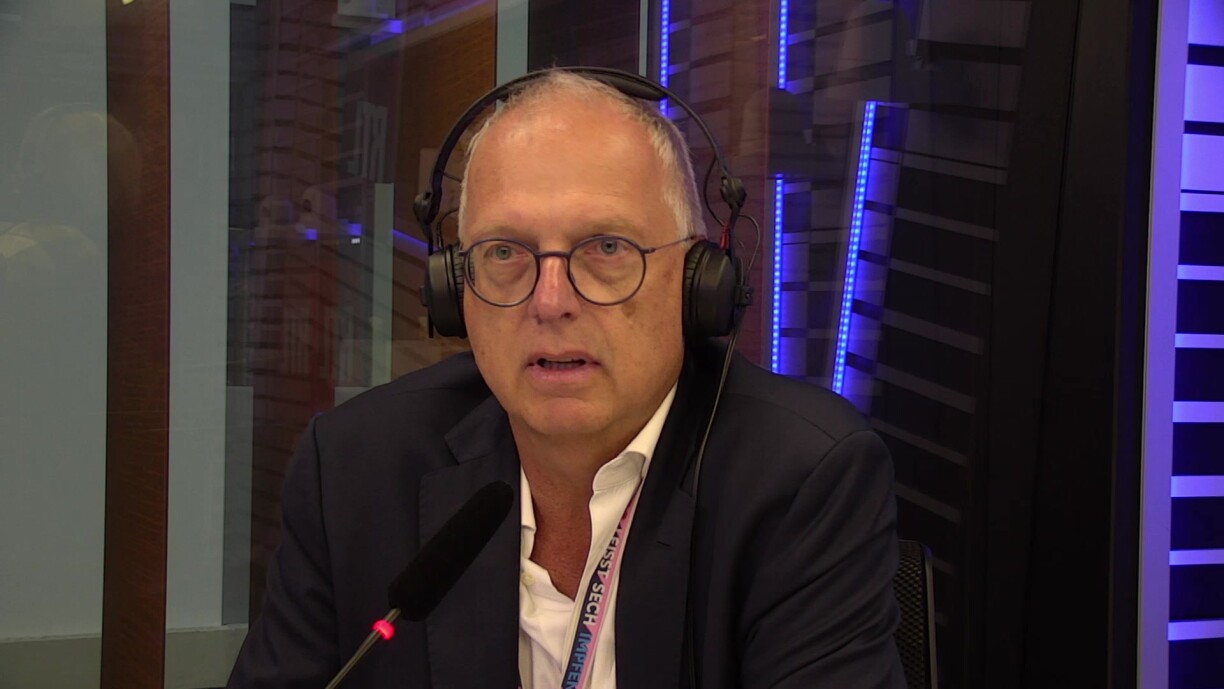
In case of a Covid-19 infection, maintaining a safe distance from others is essential. "If you have symptoms and you still have rapid tests, you should use them. If it's positive, then I would recommend that people stay at home, don't go to work, and by all means avoid coming into contact with other people," Dr Schmit advises.
Adhering to established protective measures, such as regular handwashing and maintaining physical distancing, remains crucial in safeguarding against Covid-19. These precautions also contribute to protection from other respiratory diseases, including influenza and RSV.





