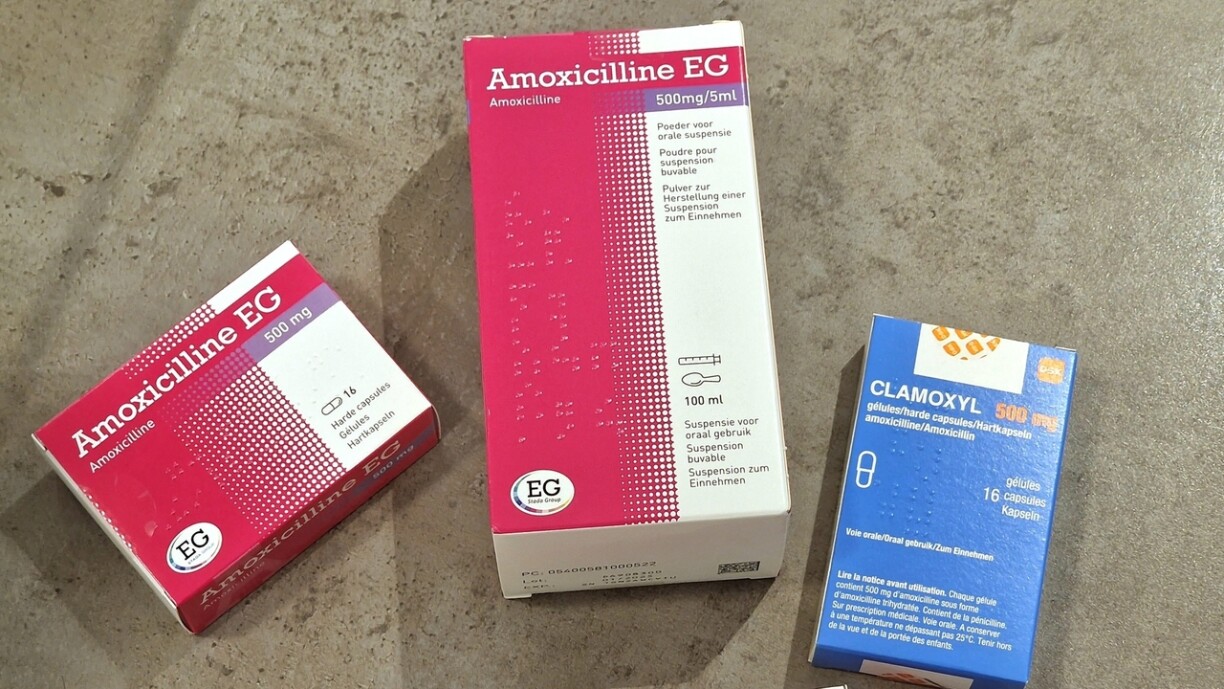
With the end of an unusually warm and sunny autumn approaching, the increased susceptibility to illness due to lower temperatures and wetter conditions is a cause for concern. The Pharmacists' Association has noted a particular scarcity of antibiotics, impacting both children and adults.
Notably, amoxicillin, the most popular antibiotic in Luxembourg, is currently unavailable through typical supply channels. While neighbouring countries could potentially offer assistance, the solidarity from these nations might be limited, as explained by Alain de Bourcy, President of the Pharmacists' Association:
"We collaborate with Belgium, France, and Germany. Thankfully, we share a huge market with our German neighbours and they usually come through for us. In France, however, there have been instances of tighter supply from wholesalers. Media reports in France have indicated dwindling reserves of children's antibiotics, and, unfortunately, the French have a tendency to respond with 'We don't have any for ourselves, so you can't get any more.'"
This situation has prompted discussions about the need for Luxembourg to establish a national reserve of medicines. The proposal suggests storing approximately 2,000 to 3,000 medication packages at wholesalers, to be released when required. This call is not a new one, with de Bourcy advocating for such a reserve:
"Above all, now that autumn is beginning in Luxembourg, the Ministry of Health and the incoming Minister should explore the possibility of setting up a national reserve. This reserve would be held at our wholesalers, where, if necessary, they could simply release the stored medication at the press of a button. This would cater to both public pharmacies and hospital pharmacies, including those serving children and adults. With 2,000 to 3,000 packages in reserve, we could confidently face the winter without total dependence on neighbouring countries for supplies."
De Bourcy is sceptical about relocating medicine production from Asia to Europe as a solution. He argues that transportation is not always the primary issue, as shortages of raw materials could persist even if production were shifted to Europe.
Full report by RTL Télé (in Luxembourgish)





