Luxembourg's three main nature parks – the Upper-Sûre, the Our, and Mullerthal – cover a third of the Grand Duchy's land area, with 60,000 people living in their vicinity. These parks are fully funded by the member municipalities and the state for a period of 10 years.
The Upper-Sûre Nature Park, founded in 1999, is the oldest of the three nature parks. Efforts are currently in full swing to extend its financing for another 10 years, with a strong focus on staying true to its roots while fostering continued growth.
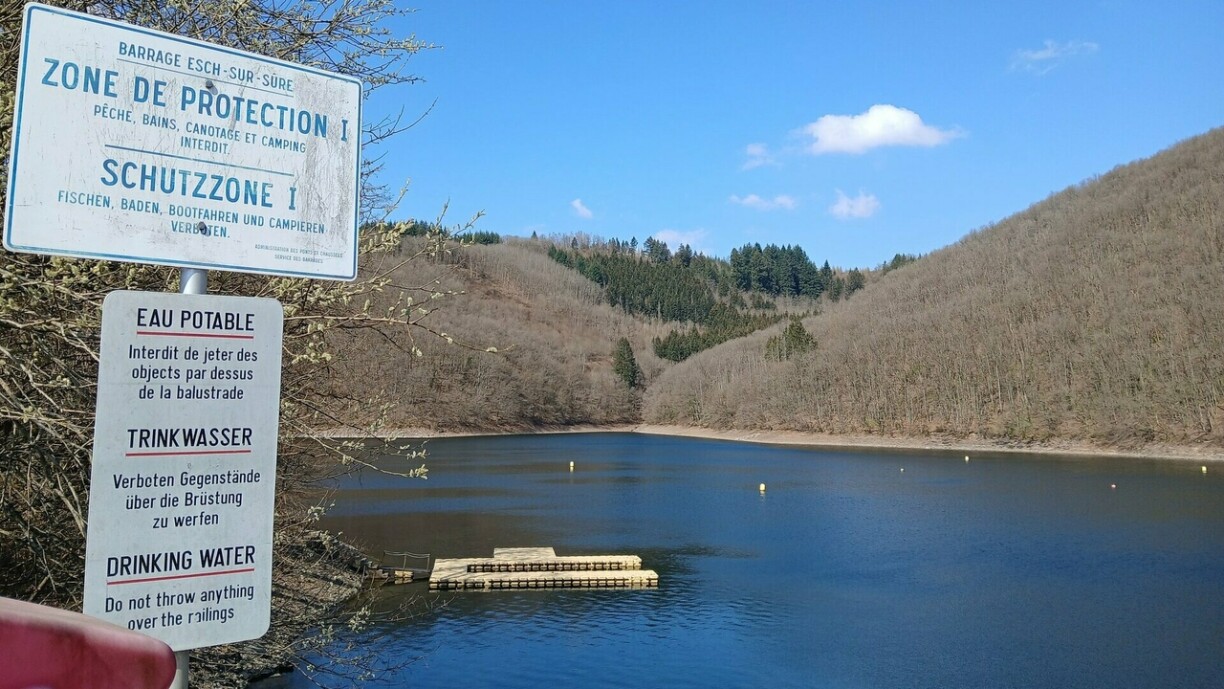
The heart of the Upper-Sûre Nature Park is the Lake of the Upper-Sûre, a reservoir known locally as Stauséi. After the lake's creation in the 1950s, discussions began about establishing a nature park around the reservoir.
However, with a shared agreement to avoid turning the region into an outdoor museum, the concept of the nature park gained traction in the 1990s. Today, the park is divided into seven areas, including nature and environment, climate protection, agriculture and culture, and tourism.
Jeff Gangler, President of the Upper-Sûre Park and Mayor of Boulaide, explained in an interview with RTL that each of these issues is treated with equal importance. He cited the example of tourism, for which they are developing a project called Land of Memory, funded through a mix of local and European resources.
Gangler further explains that he sees no contradiction between conservation, tourism, and economic development, as they conduct risk assessments that clearly define the limits of tourism. In addition to tourism, Gangler recognises that industries such as gas or oil factories should not be situated near the nature park. As a result, their approach to economic development focuses on the sale of sustainable products under the "Vum Séi" brand, which includes tea, grains, meat, tissues, and other fabric products made at the tissue factory in Esch-sur-Sûre, where the nature park’s headquarters are located.
The Upper-Sûre Nature Park is managed by several municipalities, including Boulaide, Esch-sur-Sûre, Lac de la Haute-Sûre, Winseler, and Wiltz. A new addition, the municipality of Goesdorf, will bring its unique contributions, particularly in terms of its geological heritage related to its brittle and silvery crystalline metal, according to Gangler.
Gangler explained further that the municipalities participated in an Interreg Project – a European funding scheme that supports regional cooperation. This particular project will bring in €900,000 to the region, with a significant portion of it being invested in Goesdorf, with the aim of promoting and cherishing the heritage of the municipality, according to Gangler.
There is further cooperation with other municipalities, such as Rambrouch, through agreements regulating water bodies for agricultural use. The Ramsar List (an international treaty signed in 1971 in Ramsar, Iran) and the Agricultural Cooperation Agreement in Upper-Sûre (LAKU) have already established connections with these municipalities.
When asked about future challenges, Gangler identifies external communication as one of the region's biggest hurdles. He emphasizes the need to raise awareness about the vital work involved in maintaining the nature park, which enables visitors to enjoy its beauty.
Additionally, citizens have been actively involved in shaping the next 10-year plan through workshops designed to gather ideas. This ongoing process will also include opportunities for public feedback online.





