As Luxembourg's Chamber of Deputies prepares to resume its plenary sessions following the summer recess, political parties are outlining their main priorities for the coming months.
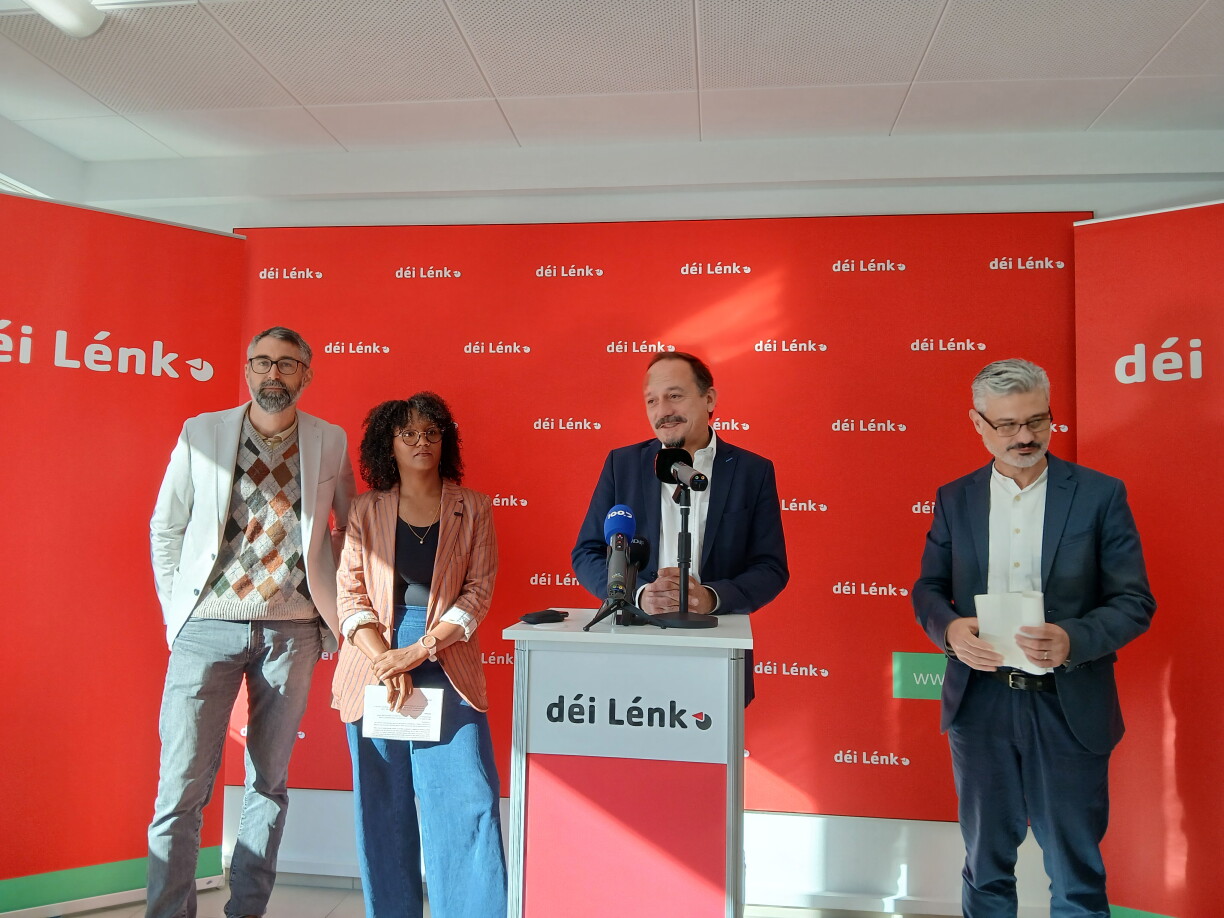
On Friday, déi Lénk (The Left), the smallest group in opposition, held a press conference to outline its priorities for the new parliamentary season, with particular emphasis on the government's planned tax reform.
Outgoing MP David Wagner and incoming Gary Diderich, who is set to replace Marc Baum in parliament, addressed the media to discuss the proposed tax changes.
The Left likens the government’s initiative as a reform of tax classes rather than a comprehensive tax overhaul, arguing it does not achieve true fiscal justice.
Nevertheless, after extensive internal discussions, the party has decided to support the measure in the Chamber, as it represents a step towards individualised taxation, for which they have long advocated.
Diderich explained that the reform’s main focus is on individualisation, which the party views as a long-overdue social improvement and a fiscal relief for lower-income earners.
He also made clear that their support is for this structural change to the tax classes, and not for the government’s overall budget or tax policy.
Despite their support, the Left continues to criticise certain aspects of the proposal, particularly the slow adjustment of tax bands to inflation.
The party has repeatedly called for automatic annual indexing of the tax scale, so that each new index tranche at the start of the year would trigger an immediate update.
While this reform introduces some automation, it only takes effect after four index tranches have accumulated, rather than following each tranche.
As a result, the Left argues, taxpayers will face higher tax burdens until the fourth tranche is triggered. They also say that the coalition between the Christian Social People's Party (CSV) and Democratic Party (DP) lacks the ambition needed to achieve fiscal justice, pointing out that a government truly committed to fairness would increase taxes on high incomes and capital gains.
Ana Correia da Veiga, who is due to take over David Wagner’s seat in parliament, outlined other policy areas that the Left will focus on in the coming months. Education is a key theme, with calls for measures to reduce the workload of fundamental school teachers.
Furthermore, the party suggests options such as increasing administrative support staff in schools or adjusting the quota for supplementary personnel, an issue that is expected to be discussed in Parliament’s committees.
The Left also wants to see greater integration between formal and non-formal education. They have announced that, starting in November, they will hold open consultation sessions to offer guidance to people about their rights in education and help direct them to the appropriate services.
They are already looking ahead to the next parliamentary elections in 2028, with pension reform at the heart of their agenda.
The Left says it was the first to take a position on pensions and stands ready to campaign on this theme in the next elections.
By raising the issue early, they aim to push other parties to clarify their positions on the future sustainability of Luxembourg’s pension system before voters go to the polls.
According to the party, the lack of debate before the last elections meant the most recent pension reform caught many by surprise.