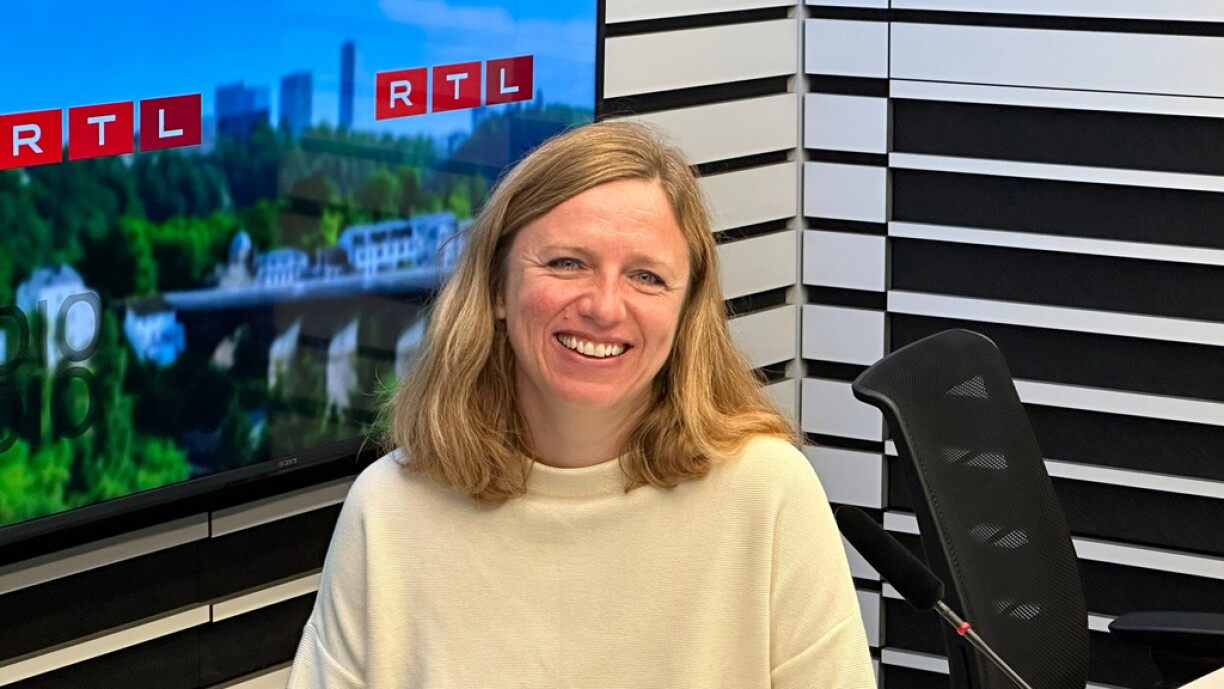
On Thursday morning, Carole Reckinger appeared on RTL Radio to discuss the anti-poverty charity's views on the election results. The Caritas spokesperson said she was particularly pleased that the issue of poverty would be addressed thematically before being split across the relevant ministries. She also felt that a two-party coalition would have less "fragmentation" between different parties and government departments.
Caritas believes two major subjects should be included in the new coalition agreement: one financial, and the other structural. In terms of finances, a concrete budget is required to act against poverty. Reckinger said this could draw inspiration from development cooperation, which receives a set percentage of the GDP for its budget.
In addition, Reckinger believes financial support needs to be increased as it is currently insufficient. Furthermore, more people should be eligible to request this aid, and the administrative process required should be simplified. The current process requires separate requests for financial aid, with each request requiring the same documents - a process which is too bureaucratic, according to Reckinger.
Reckinger emphasised the need to depart from the existing setup of separate ministries when addressing an issue as complex as poverty. The subject should fall under multiple remits, from the Ministry of Family, to the Ministry of Health and Ministry of Housing. Reckinger encourages transversal thinking, leading all departments to work together. Luxembourg is at the forefront of eurozone countries with what is known as the "working poor", or people who cannot get by despite being employed. A number of legislative measures could improve the situation, such as raising the minimum wage, or improving working conditions for employees of platform companies. The latter fall into a legislative vacuum due to their self-employed status, Reckinger said, citing examples of meal delivery drivers who do not possess normal workers' rights. These people often end up sleeping on the streets or in their cars as they cannot afford normal accommodation.
In recent years, a number of red lines have been crossed, Reckinger concluded, such as the fact that families with children have had to resort to sleeping rough.





