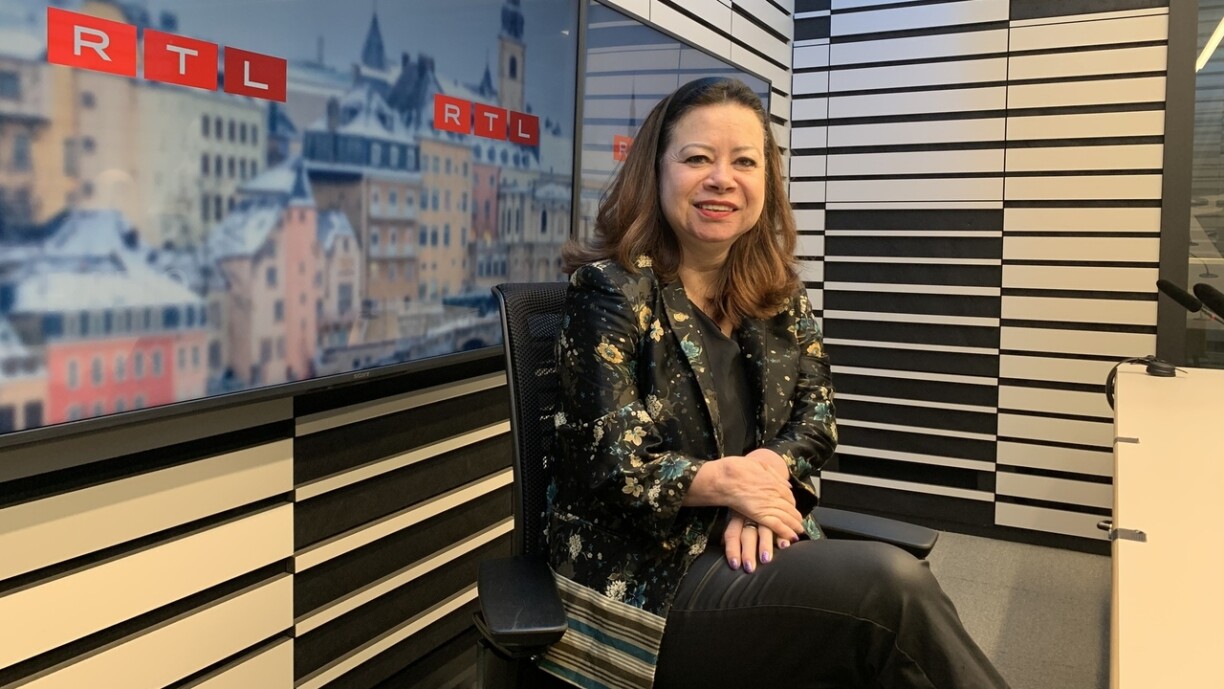
The Ombudsman serves as a recourse for residents encountering issues with state or municipal administrations.
From an average of 800-900 complaints annually, the figure has surged to approximately 1,500 complaints per year, according to Ombudsman Claudia Monti. Monti further noted a trend of heightened anxiety and aggression among individuals.
Monti attributed the uptick in complaints to several factors, including population growth and increased awareness among residents about their rights to challenge administrative decisions.
Additionally, Monti emphasised the impact of ongoing crises, which have spurred individuals to question decisions more critically. She underscored a shift in societal acceptance, noting that people are increasingly inclined to challenge decisions rather than passively accept them.
Complaints span various domains but predominantly centre on issues related to financial matters, particularly within the realms of taxation and subsidies.
Acknowledging the strain caused by the surge in complaints, Monti highlighted extended waiting times and announced plans to bolster staffing to address the increased workload effectively.
Regarding the begging ban, Claudia Monti disclosed that her office has received only a single complaint thus far.
While refraining from offering personal opinions on legislation, Monti highlighted the importance of clarifying the legal framework surrounding the issue.
She expressed concern over the existing ambiguity, noting the potential for varying interpretations between lawmakers and enforcers, which could set precedents affecting future legislation.
In addition, Monti welcomed the fact that the debate "finally" put those at the centre of discussion "who would have gone overlooked otherwise."
Reflecting on her tenure, Monti cited the constitutional recognition of the ombudsman's office as a significant milestone, enhancing its credibility both nationally and internationally.
However, she cautioned against a growing reliance on digitalisation, acknowledging its benefits in streamlining processes but also recognising the challenges it poses for many individuals.
For this reason, Monti believes it is important that making phone calls remains an option. She criticised the fact that, at the moment, there is often either no one available to answer incoming calls or the person on the phone does not know what to do.
"Digitalisation is all fine and good, but please keep it human," Monti stressed.
Looking ahead, Monti expressed a desire to expand the ombudsman's remit. At the moment, she is only responsible for state and municipal administrations, but nevertheless often receives complaints about private hospitals, the Luxembourg National Railway Company (CFL), POST Luxembourg, etc.





