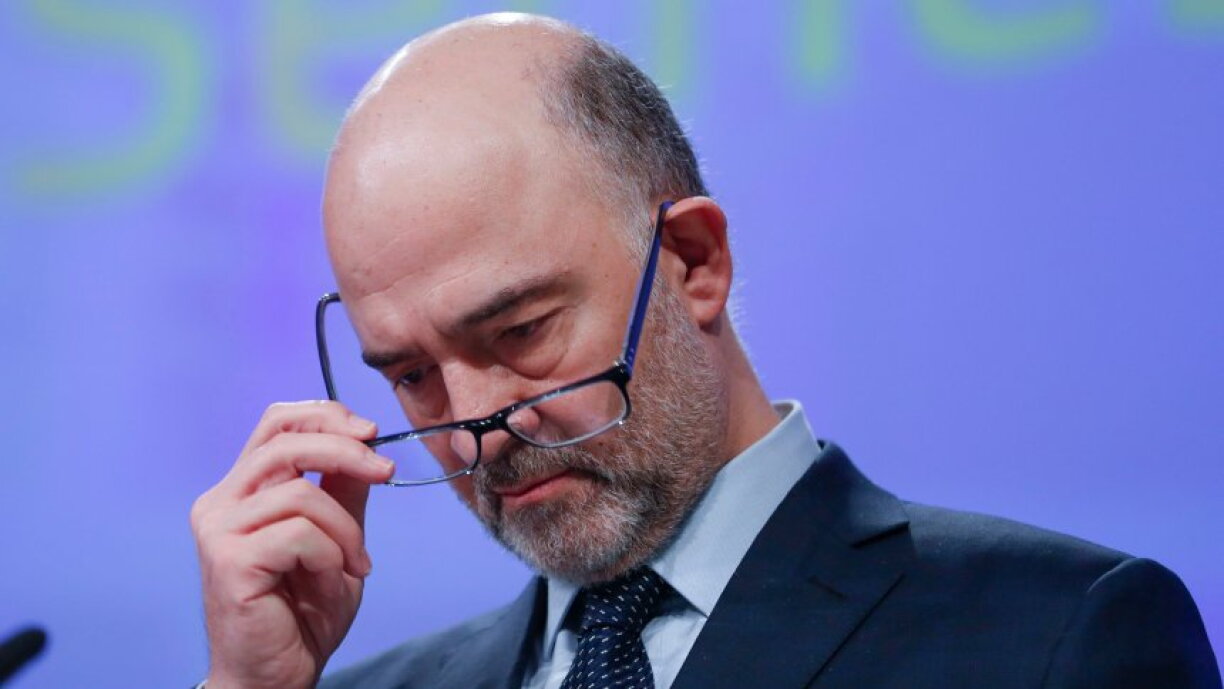
Compared to a few months ago, institutions including the European Commission are less optimistic about the Eurozone's economic growth.
The main concern surrounds the industrial sector, both on a domestic scale and European scale. In Luxembourg, the production in the sector rose by 1.7% in the fourth trimester of 2018. However, over the entire year, production fell by 0.7%.
The Eurozone tells a similar story, as industrial countries like Germany, France, and Italy have also suffered in industry production. The sector remains pessimistic for 2019 all over Europe, which in turn has slowed down the dynamism of jobs.
At the end of last year, the funds sector also suffered with a decrease of nearly 6%. The causes of the sector's drop in productivity were predominantly the weaker business cycle, new trade conflicts, and the US interest rate hike. In a small amount of good news though, the new year brought about a small amount of optimism. In the second semester of last year, Luxembourg's banking sector had another push of productivity as loans are booming with low interest rates.
Statec's report outlined a significant concern with energy price increases, especially affecting gas and electricity. Electricity prices rose by over 4% in January alone.
Last autumn, the European Commission predicted an inflation rate of 2% for 2019. Recent updates suggest an inflation rate of 1.4% for the Eurozone.
For Luxembourg, Statec is predicting price increases of 1.7% in 2019. The next salary indexation is likely to take place between October and December and the introduction of free public transport next year will put a stop to domestic inflation.





