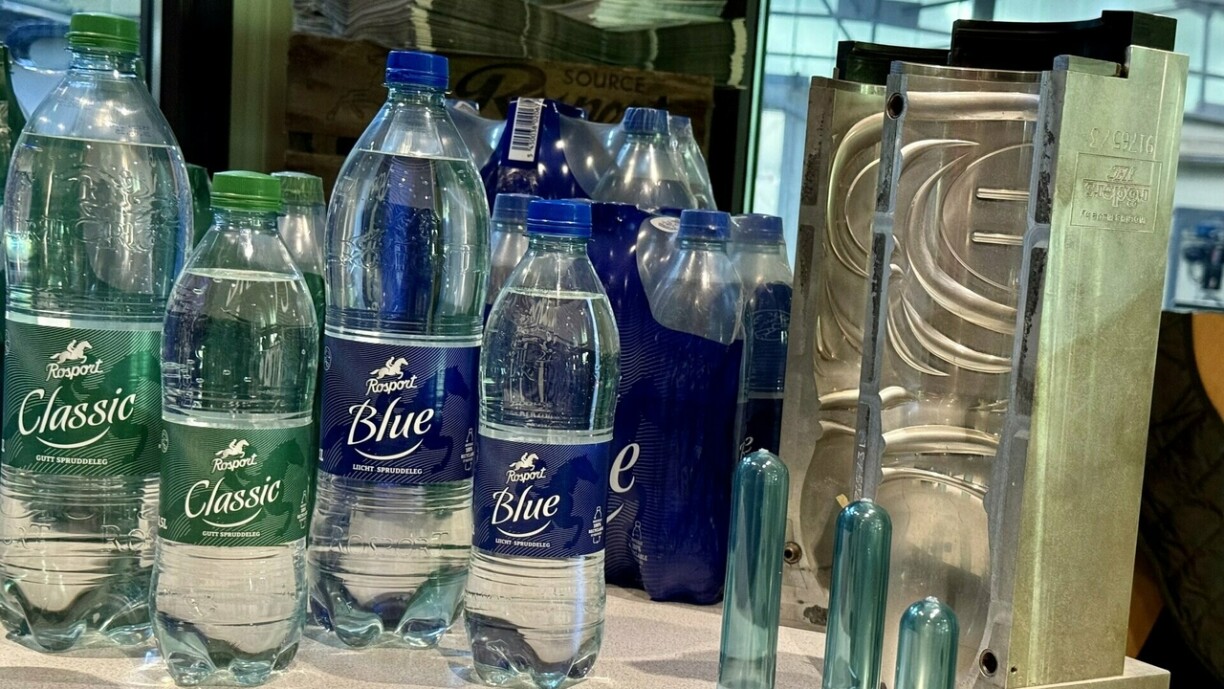
Since June, Sources Rosport has shifted to local production of plastic bottles in Luxembourg. The Rosport facility can produce a new plastic (PET) bottle in less than 15 minutes, utilising a state-of-the-art bottle-blowing machine.
The process starts with heating the basic bottle shape to 130 degrees Celsius, which is then placed in a mold. Air is blown at a pressure of 35 bars to give the bottle its final form. This machine can produce up to 17,500 bottles per hour.
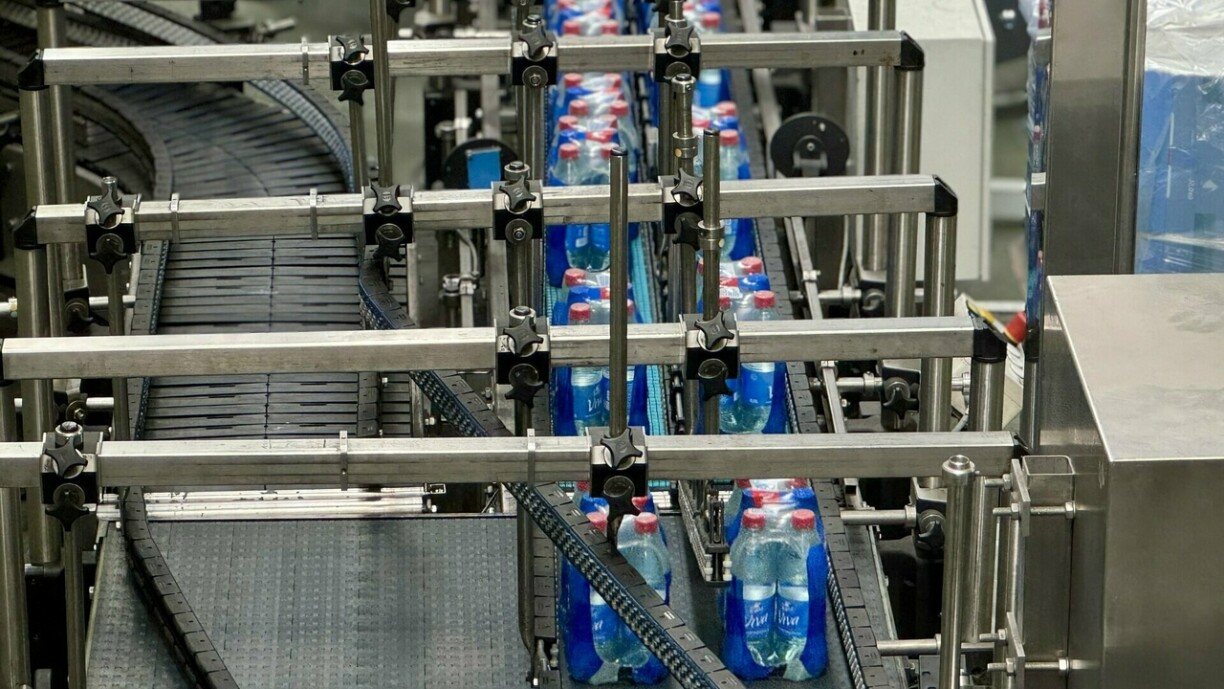
A significant environmental benefit comes from the reduction in transportation needs. Max Weber, Director of Sources Rosport, noted that previously, 468,000 1.5-litre bottles were manufactured in Käerjeng and transported weekly by 18 lorries. Now, only the basic shapes are produced in Käerjeng, requiring just one lorry for transportation.
This shift was prompted by European Directive 07/2024, which mandates that plastic caps must remain attached to bottles. This change has allowed the Luxembourg company to avoid a major investment in new infrastructure. The company will now offer a single bottle design in various sizes for its product lines: Classic, Blue, and Viva.
All raw materials for the bottles are sourced locally: the caps are produced in Wiltz, the plastic in Käerjeng, the labels in Roost, and the cardboard for packaging in Lintgen. The only exception is the plastic used for holding six-packs together, which is sourced from a factory abroad located 40 kilometres away.
Bottle recycling at Sources Rosport is facilitated by the "bottle-to-bottle" system managed by Valorlux, which provides the necessary number of bottles to the company producing the basic shapes. Since Sources Rosport primarily serves the Luxembourg market, almost all raw materials are retained within this circular economy, according to the director.
Consumer preferences for plastic versus glass bottles fluctuate based on trends. The Covid-19 pandemic increased demand for plastic, as customers could avoid returning to stores to exchange their bottles. Conversely, growing eco-consciousness has led many to prefer glass. For the past decade, Sources Rosport has sold its water in equal proportions in both glass and plastic bottles.
Regarding concerns about microplastics potentially present in the bottles, Weber assures consumers that the company is under the oversight of the Luxembourg Veterinary and Food Administration (ALVA) and conducts its own microbiological analyses in-house. Every batch and product undergoes rigorous testing, Weber emphasises, stating, "We work with the world's largest supplier of plastic tubes and apply very strict quality criteria."
The investment in the new bottle-blowing machine totalled €2 million, in addition to a new transformer that enables the facility to operate independently from the electricity grid, given its energy-intensive nature. Production site managers are therefore also hoping that energy prices will decrease in the coming years.
The Rosport spring, operational since 1959, is situated above a tectonic plate and is unique in the country for its direct link to magma activity. This geological feature allows for the production of gas that mixes with the water, giving it its natural sparkle.





