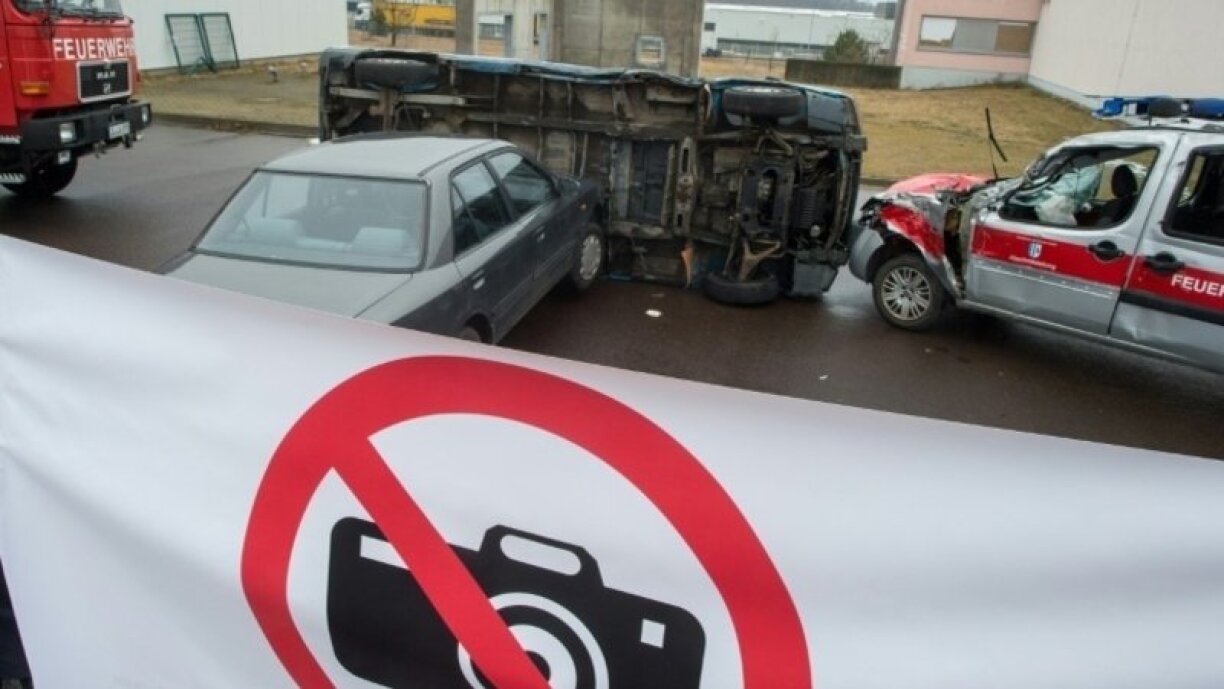
Germany is currently seeing intense debate over whether 'rubberneckers' – motorists who pass by or remain at the scene of accidents to gawk, film or take photos – should have their driving licences revoked. The German Fire Brigade Association is pushing for the measure to protect emergency services. Politicians from the CDU and SPD support the proposal.
The reasoning is clear: this behaviour is not only disrespectful to victims, but above all extremely dangerous. But how is the situation in Luxembourg? Should gawking be more strictly controlled and more severely punished?
As confirmed to RTL by the police and the Grand Ducal Rescue and Fire Corps (CGDIS), 'rubbernecking' is also a regular occurrence in Luxembourg, particularly following traffic accidents. Many motorists stop to look, brake abruptly, or use their phones to take pictures or videos – putting themselves and others in danger.
"It is extremely dangerous," say the police. "Especially when drivers brake suddenly or when traffic slows on the opposite lane. This not only causes delays, but in the worst case can also lead to further accidents."
Moreover, emergency services such as ambulances or fire brigades often face difficulty reaching or leaving the scene – and every minute counts, according to the CGDIS.
Luxembourg's Code de la Route does not explicitly define 'rubbernecking' as an offence. However, a number of other rules may apply depending on the situation – for example, using a mobile phone while driving carries a €250 fine and a deduction of four points. Unnecessarily stopping or braking can also be penalised.
That said, police officers at the scene usually have other priorities: documenting the accident, interviewing witnesses, or managing traffic. As a result, gawkers are not always fined on the spot, but are often simply asked to move on.
Depending on the severity of the incident, however, number plates may be noted and legal consequences may follow – especially if mobile phone use is involved.
What should you do if you come across an accident? According to CGDIS:
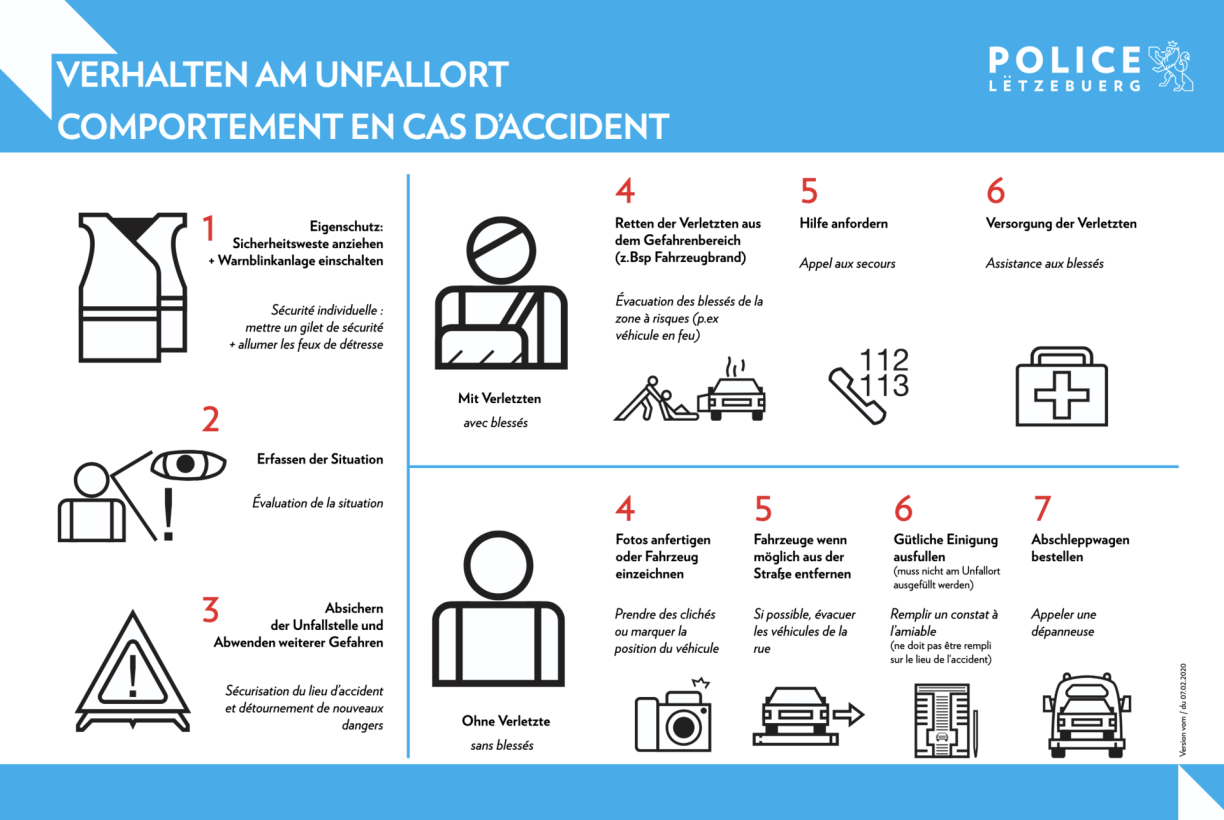
Failing to react and ignoring an accident may result in sanctions for "non-assistance to a person in danger".
There is a growing trend of ambulance or police operations being filmed – even when unrelated to road traffic incidents. According to CGDIS, this trend is particularly problematic as it can hinder operations, compromise the safety of responders, and most importantly violate the privacy of those involved.
"How would I react if I needed an ambulance at home and pictures of it were circulating online?" asks CGDIS.
The police and emergency services are appealing to the public’s sense of responsibility:





