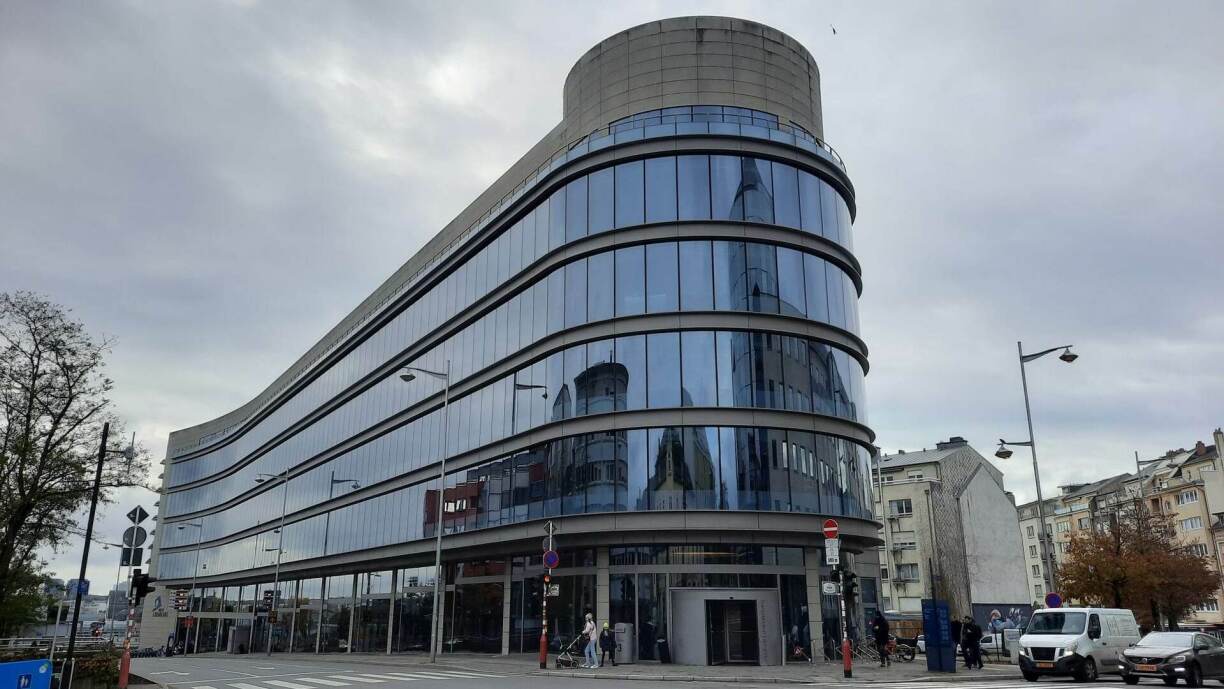
It extends over 11,800 square metres and houses most of Luxembourg City's civil servants who work in the services of urban mobility, energy, civil engineering, urban planning, IT, architecture, and others. However, the current administrative building, the 'Rocade', has become far too small for the services of a town that keeps on growing and reached 128,500 inhabitants by the end of 2021.
Last week, the Luxembourg City municipal council approved the extension and transformation project of the Rocade building. However, members of the Luxembourg Socialist Workers' Party (LSAP) abstained from the vote, arguing through Cathy Fayot that "many other projects such as housing, gymnasiums, and schools should be prioritised" and expressing fears that the estimated budget of €53.43 million cannot be met in the current construction market.
"We won't know the costs until tenders are made", replied Claude Radoux, chairman of the Urban Development Commission and member of the Democratic Party (DP). The amount "may however be high, we can even start from that assumption."


Despite the uncertainties, "we have to make this investment, simply because without its employees, the City of Luxembourg cannot function. And they must have a place to work", said the First Alderman, Serge Wilmes from the Christian Social People's Party (CSV).
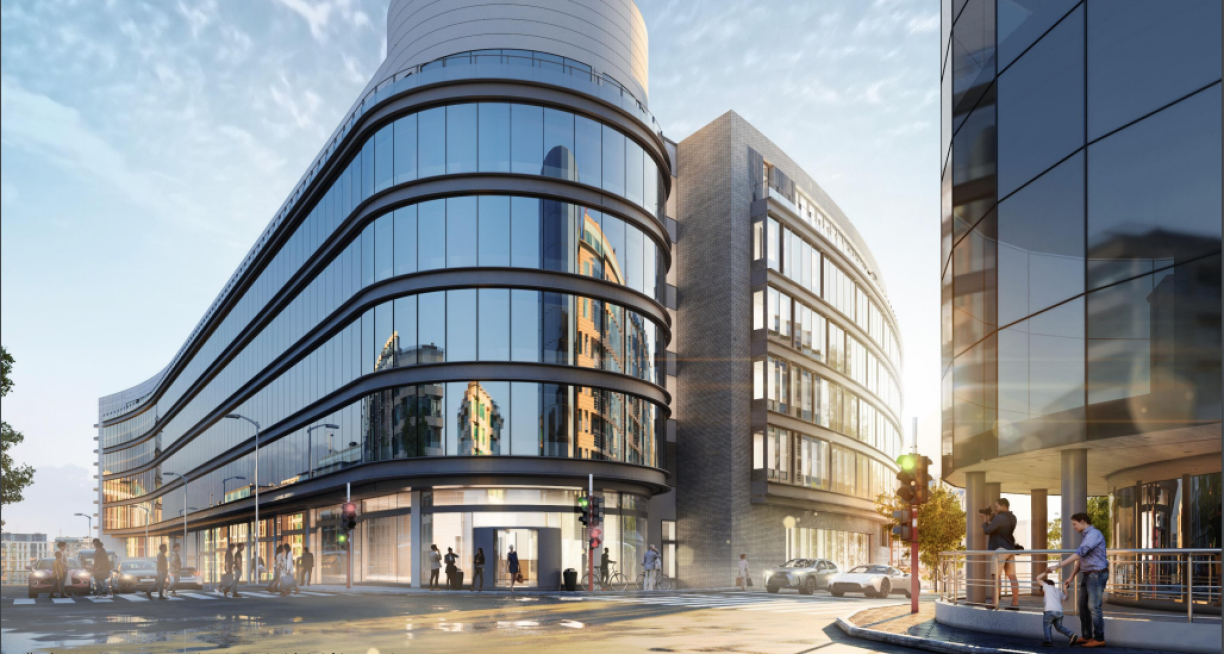
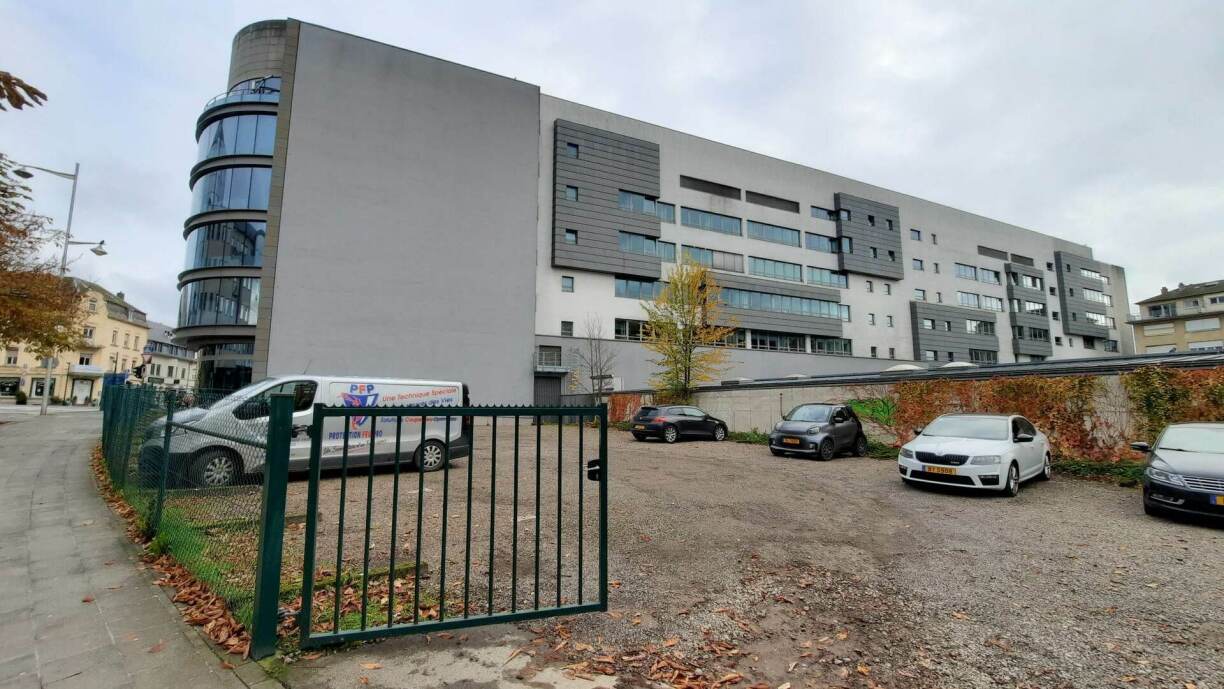
The new grey brick building, which will act as an extension for its big brother, will be built on the car park adjacent to the current building. It will create 4,705 square metres of additional office space.
The current building was designed to accommodate 224 people and will eventually be able to host almost twice that number. With the extension, which takes into account "a reserve for future needs", 392 people will be able to work at the Rocade building.
The new building will have six levels above ground and two underground. Latter includes technical rooms, archives, storage rooms, changing rooms, and even a bicycle storage. A waiting area for the public will also be created here, but public access will continue to be the large existing door. There will also be a service entrance reserved for staff members.
Offices and new meeting rooms and spaces are also being planned. A multi-purpose room for meetings and exchanges between the various departments will thus be created on the top floor.
In the current building, the need for archive space will be reviewed, additional storage space provided, photocopying and waste disposal facilities made available on the upper floors, and the existing kitchenettes will be refurbished.
Both buildings will be equipped with a total of 287 solar panels.





