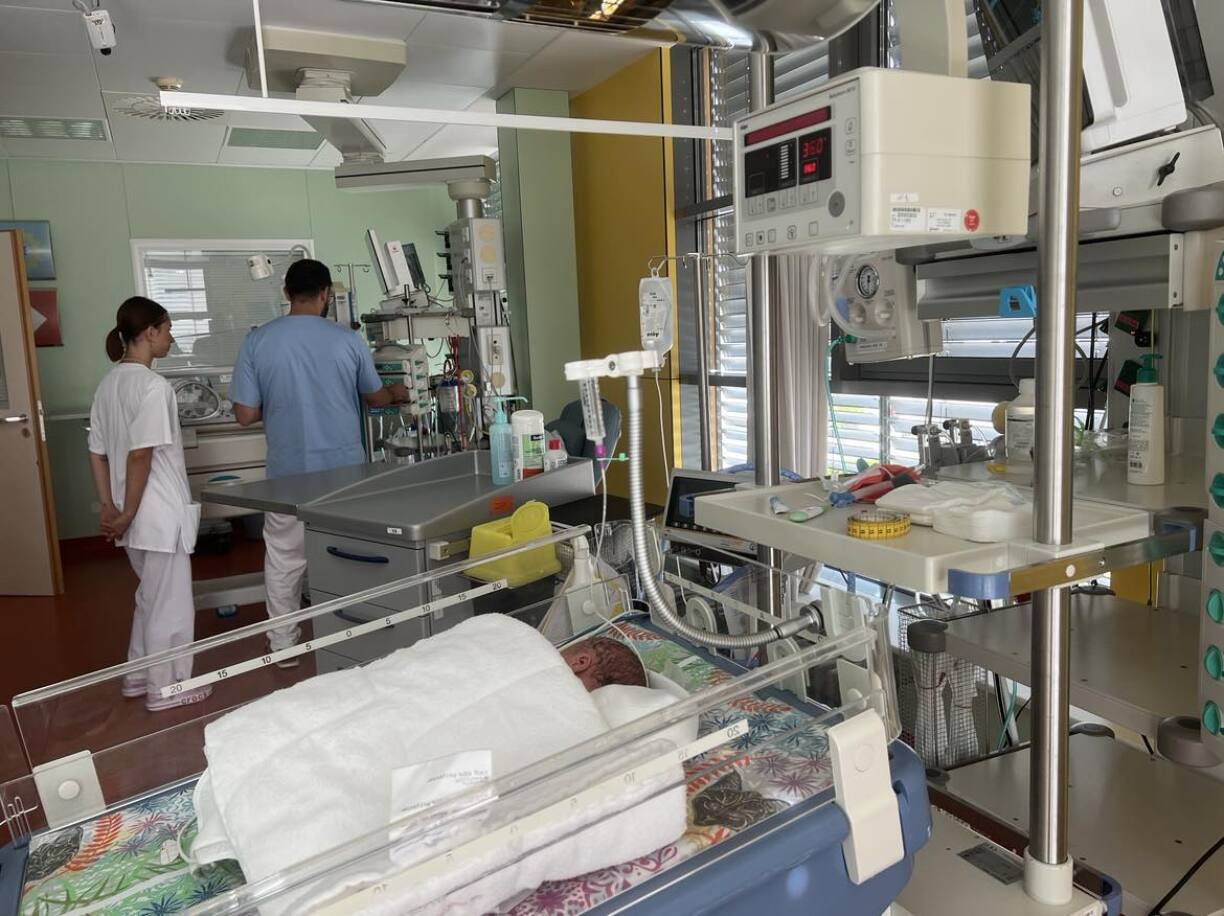
In the wake of the recent health crisis, concerns about hospital resources have intensified. Dr Françoise Berthet, President of the National Health Observatory, observes that the growing resident population and the rising use of hospital services by non-resident insured persons have added significant pressure on the sector.
According to Minister of Health Martine Deprez, the newly published report underscores Luxembourg's commitment to efficient and transparent hospital management. Deprez emphasises the government's dedication to bolstering hospitals' ability to provide specialised and multidisciplinary care.
As of 2023, Luxembourg had ten hospitals, including four hospital centres across eleven sites (an increase of one site since 2021), six specialised hospital establishments, a facility for end-of-life care, a spa treatment centre, and a diagnostic centre.
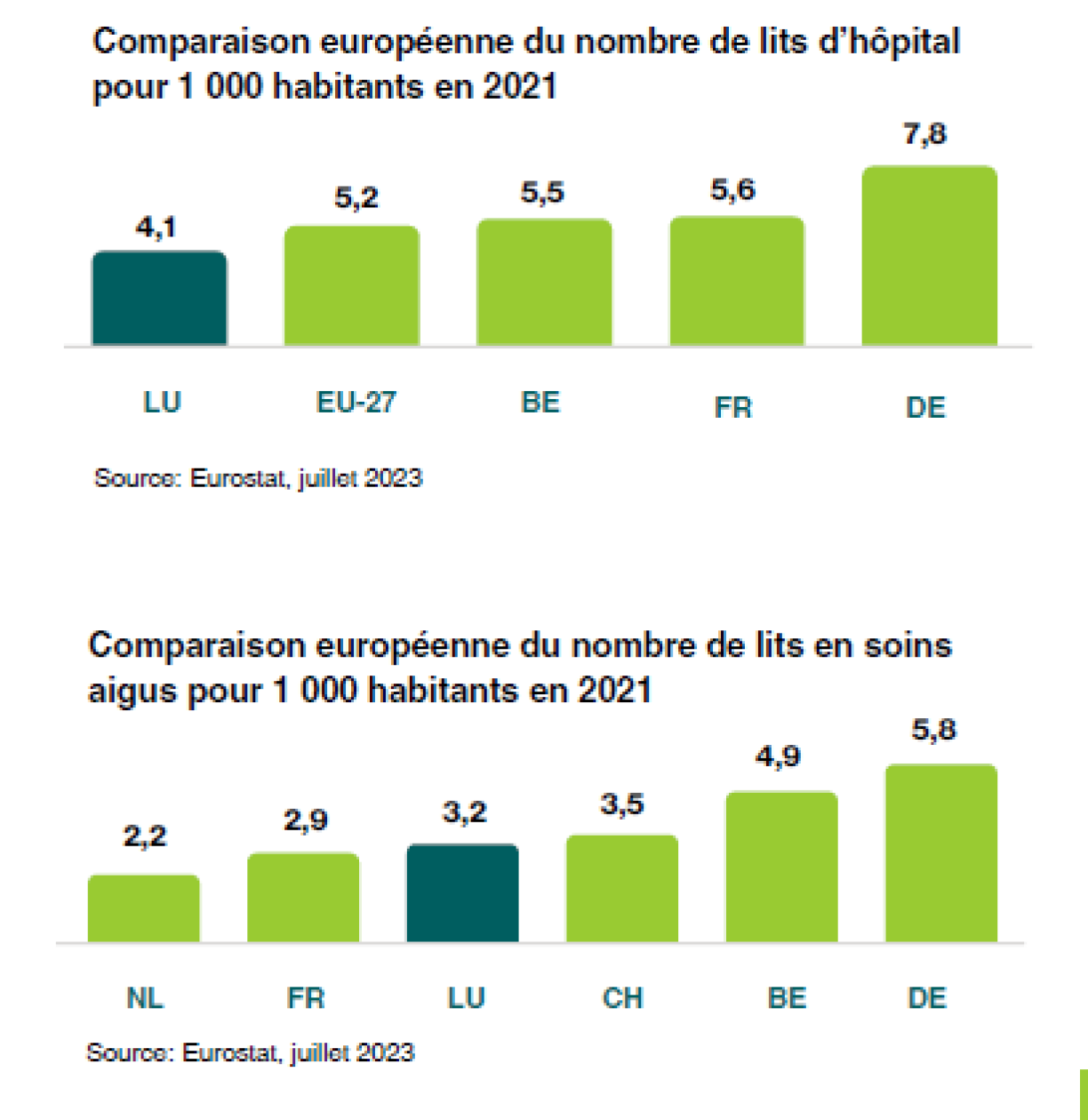
Luxembourg's hospitals housed 2,640 beds in 2023, a decrease of 27 beds from previous counts. Of these, 2,022 were acute beds, down by 20. By 2023, 95.2% of the hospital beds authorised in 2019 (2,772 beds) were installed.
In 2023, Luxembourg had a ratio of 4.0 hospital beds per 1,000 inhabitants, down from 4.2 in 2021. The country also had 573 day hospital beds installed that year.
For medical imaging, Luxembourg was equipped with 15 scanners (+2), 12 MRIs (+1), eight gamma cameras (+1), seven mammographs, and one PET-Scan.
From 1 January 2024, the maximum number of planned and authorised hospital beds has risen to 3,153. As of this date, 2,786 hospital beds have been authorised, including 2,124 acute beds, 575 medium-stay beds, and 87 long-term care beds. Additionally, 743 day hospital beds have been authorised.
In 2021, Luxembourg recorded 139,352 hospital stays, with 51.9% being inpatient and 48.1% outpatient. The average length of stay was 7.3 days, totalling 593,528 hospital days, corresponding to an occupancy rate of 71.2%.
The trend towards outpatient care has been growing. Over the past decade, day hospitalisations have increased significantly by an average of 4.9% per year from 2012 to 2021, for both medical and surgical procedures. Chemotherapy and dialysis sessions have increased by 2.9% and 3.1% per year on average, respectively, during the same period. Outpatient surgical activities for tracer procedures rose from 58.9% in 2017 to 74.7% in 2021.


According to the Ministry of Health, the number of days spent in hospital has slightly decreased, but the number of hospital stays overall has increased. This means there are more admissions, but for shorter durations. Between 2017 and 2021, the annual occupancy rate of acute beds varied between 67.9% and 78.1%.
In 2021, non-residents accounted for 8.8% of all hospital stays in Luxembourg and, in 2022, 17.3% of maternity deliveries. Non-residents are also making significant use of various medico-technical services, such as medical imaging (including MRI and PET-Scan), in vitro fertilisation, as well as urgent and unscheduled care in emergency departments and policlinics.





