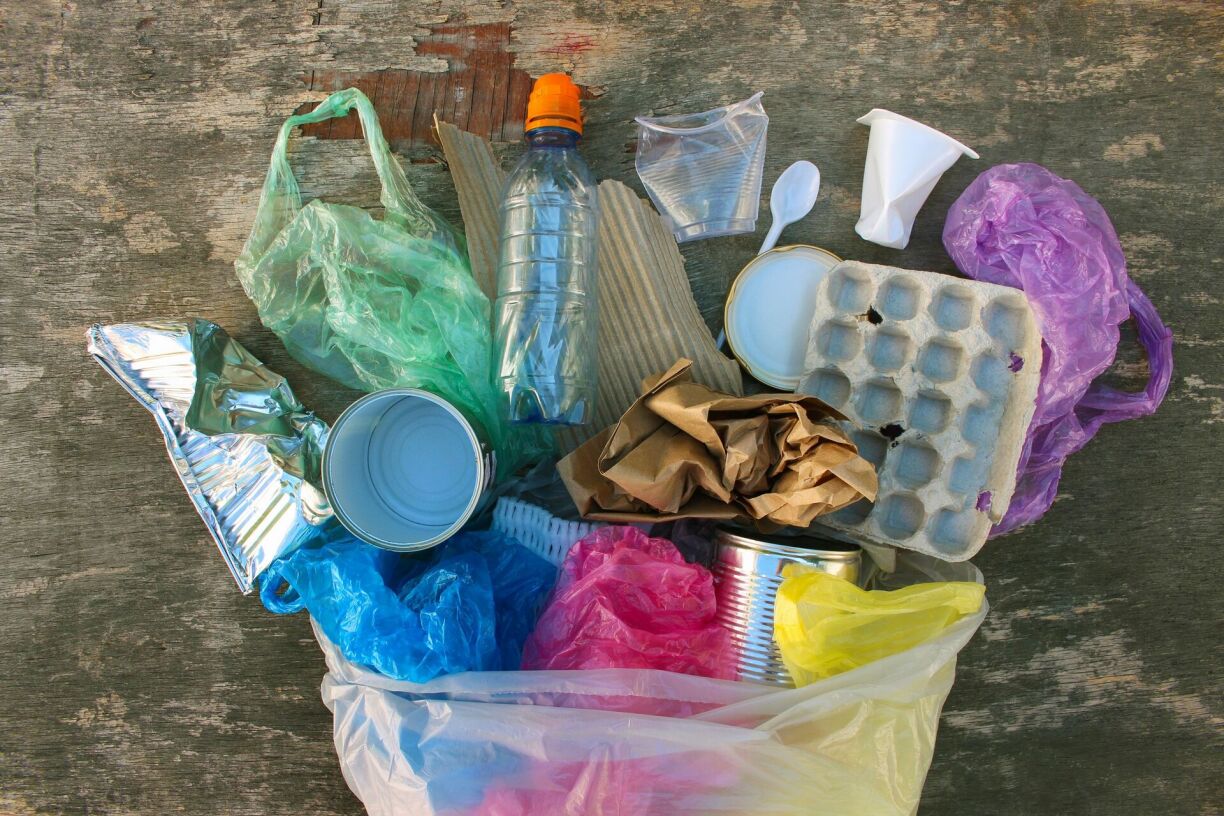
Packaging waste is overflowing Europe's rubbish bins. In Luxembourg, 39.5 kilos of packaging are not recycled, compared to the European average of 35.9 kg. These figures, sourced from Eurostat, the EU's statistics office, highlight the widespread concern.
The data paints a grim picture, with packaging waste per person rising by a substantial 10.8 kg between 2020 and 2021, marking the highest increase in the past ten years.
While one might attribute some of this surge to the end of lockdowns and a return to office life post-pandemic, it is important to note that this waste mountain has grown by nearly 32 kg compared to 2011. On average, each European generates a staggering 188.7 kg of packaging waste annually, while Luxembourg residents contribute over 214.2 kg each year.
The primary culprits behind this mounting waste issue are plastics, making up 19% of the total packaging waste, followed by glass (18.5%), wood (17.1%), and metal (4.9%). On a positive note, plastic recycling has improved significantly over the past decade.
Between 2011 and 2021, plastic waste production surged by 26.7%, with a higher recycling rate of 38.1%. Today, the average European produces 35.9 kg of plastic packaging waste, of which 14.2 kg is recycled.
However, not all European nations have excelled in plastic recycling efforts. Countries like Slovenia (50%), Belgium (49.2%), and the Netherlands (48.9%) have successfully given a new life to nearly half of their plastic waste, whereas Malta (20.5%), France (23.1%), and Sweden (23.8%) lag behind, recycling less than a quarter of their plastic waste.





