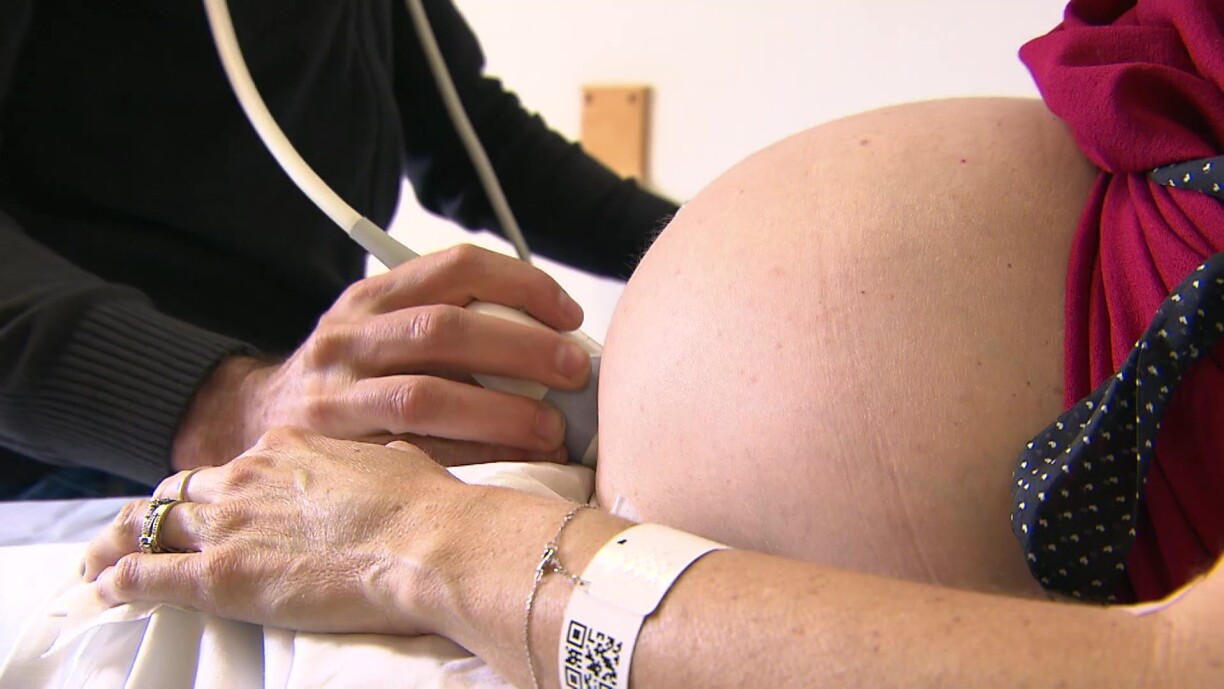
The act of giving birth is often stressful and accompanied by pain. In case of an emergency, decisions must be taken quickly, which requires good communication between doctors and the women giving birth.
Dr Isabelle Rolland, coordinator of the task force 'Women's Health', explained that such emergencies can sometimes feel violent to women, as there is little time for explanations, even after the child is born: "There should always be time to communicate with a young mother, even in the presence of a medical emergency."
Some women are known to blame themselves after such an experience, she further explained. Anne-Marie Antoine from 'Planning Familial' confirmed this tendency, noting that the topic remains a tabu. She conveyed that it takes some women years to process the experience and talk about it.
Hospitals have departments designated for complaints, which allow patients to report medical issues. However, gynaecologist Jean-Pierre Clees argued that departments should also be able to receive complaints about wrongdoing and violence not directly related to the medical process.
Even though doctors do not intend to harm or violate patients, a moment of unawareness may result in a traumatic experience, Clees further stressed.





