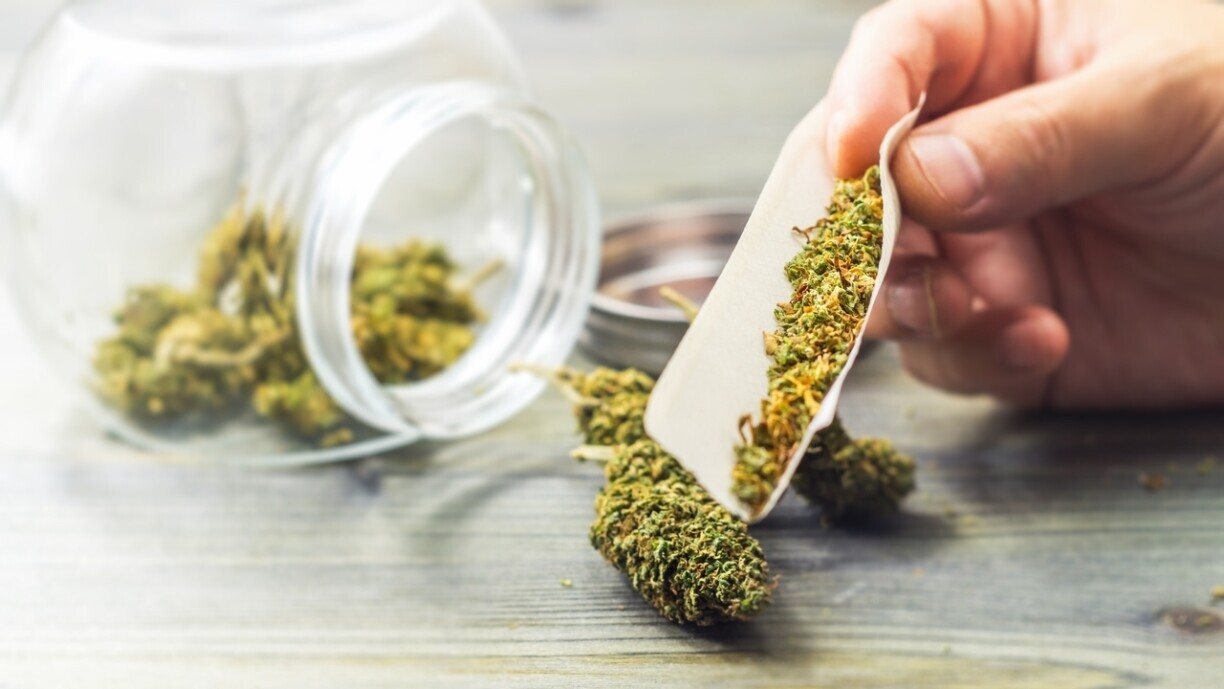
Since July 2023, adults in Luxembourg have been allowed to grow up to four cannabis plants, provided they are cultivated from seeds and intended for personal use only. The owner must be the sole consumer, and consumption must be limited to the plants they have grown themselves.
This change was a major step in the government’s broader reform aimed at decriminalising cannabis consumption.
The Justice Ministry concluded: The step was to decriminalise, not legalise. Transport, purchasing, and selling remain against the law. The new regulation was meant to reduce the risks of the black market, but many people misinterpret the legal text. Steve Goedert, director of the prevention and trafficking service at the Grand Ducal police, said: "As an example, if I'm throwing a party at home and I invite people, then everyone starts consuming cannabis at my home, that's wrong. That is not permitted. It means only the resident is permitted to consume cannabis and everyone else is not allowed."
The consequences of consumption are also not widely known.
One important topic that many people underestimate is consumption and driving. The police distinguish between two situations:
THC, or tetrahydrocannabinol, is a psychoactive substance that is found in hemp plants and is primarily responsible for the effects of cannabis.
The second situation is more risky, as THC stays in the body longer than alcohol. Goedert warns: "THC can stay in the body for up to three or four weeks. So a person can consume the drug at weekends, but then have an accident on Wednesday. Although the person might not be intoxicated anymore, they will still test positive for an illegal substance. This could cost them their licence and the written warning will have an impact on any court decision."
Depending on the circumstances of an accident, authorities can conduct analysis of a driver's blood and urine. If THC is detected, then the legalities of the consumption no longer play a role. As privately grown plants can have very different THC contents, an exact analysis is often difficult to complete. "It's not like alcohol where you can tell how many hours it will take to go through a person's system." This means the driver's juristic responsibility is much higher, and the legalisation of home consumption does not affect the zero-tolerance rule when driving.
In theory, private growing of the plants is strictly regulated. Each household is allowed a maximum of four plants, and they must be purchased by the resident who is advised to keep any proof of purchase so they can prove where the plants came from. The plants cannot be purchased on the street and minors must not have access to the plants, even if they are part of the household. Naturally, the drug should not be consumed in the presence of minors.
However, in practice, there is no register and no active checks. Goedert explains: "We don't have any data on how many people have grown the plants, and also no information as to whether they have followed the law in doing so. It is also difficult to check where and when people are consuming cannabis."
Prior to the legislation changes, it was easier to check, as often the police would receive reports from neighbours complaining about the smell. Now police are more likely to come across offences by coincidence, for example when investigating another matter.
One of the political aims of the legislation was to weaken the black market. But two years later it is clear that it still exists. "We keep meeting the same dealers on the streets, they haven't gone anywhere."
Not everyone is blessed with a green thumb to grow the plants at home. In addition, growing them at home is cost-intensive, using a lot of water and heat in order for the plants to "bear fruit".
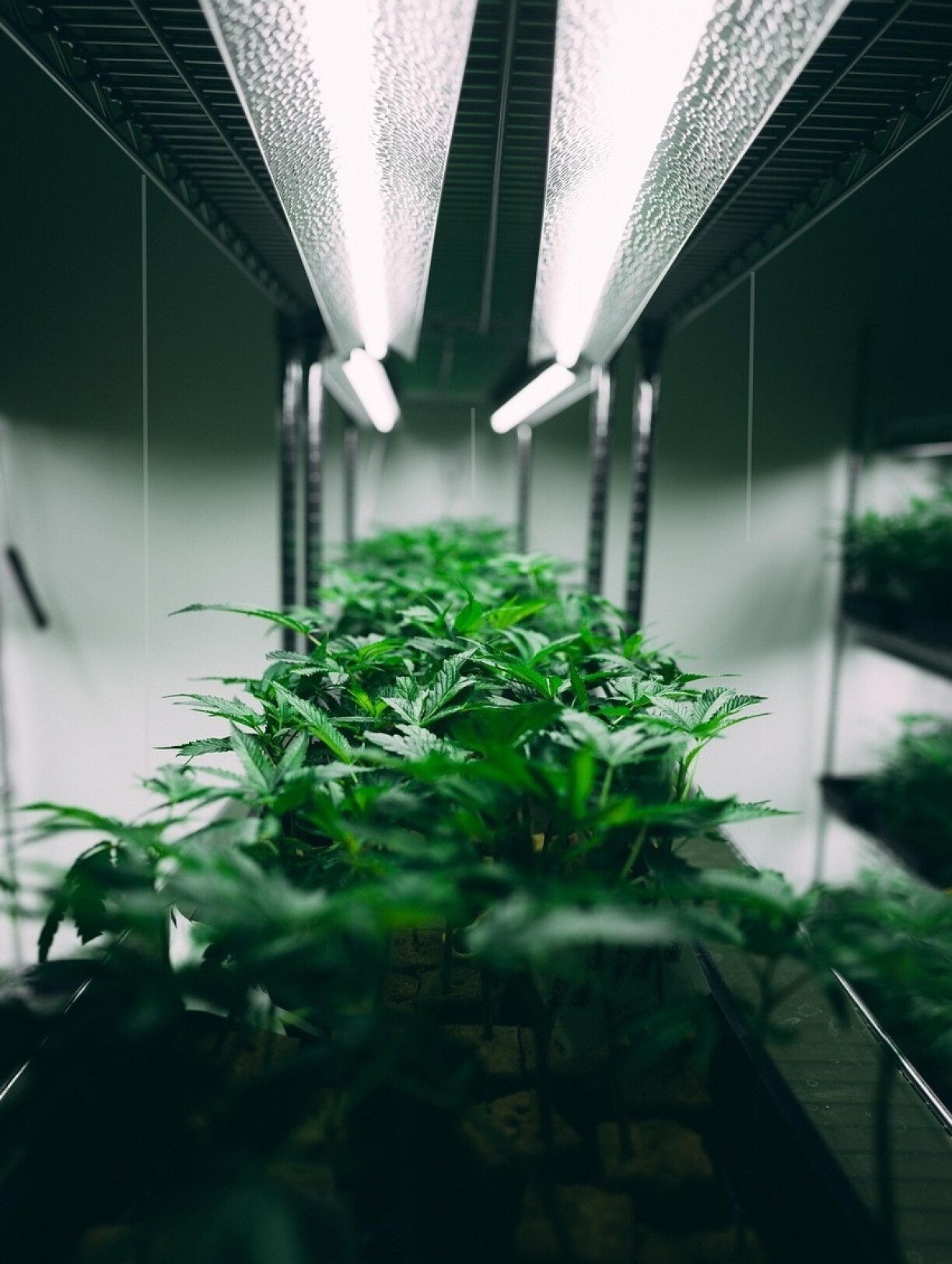
Someone who uses the drug on a regular basis is likely to buy the product on the black market, thus committing an offence. The addiction support service Impuls say they have observed a new trend developing. Representative Nora Vitali says: "We've seen young people taking the drug from their homes, where their parents grow the plants and the children sell it at school. The black market is far from gone, instead we've seen the rise of a new type of dealer." This sort of private dealing is a consequence of the product being grown in households where it is more accessible for children.
According to the National Drug Report 2025, despite the preventative measures, there is a lot of cannabis consumption in Luxembourg. In 2023 and 2024, the numbers rose, so it is not yet possible to make a comparison as to whether consumption has changed as a result of the legislation. However:
Cannabis is clearly popular in Luxembourg, even among young people. Impuls also works with young people who have fallen afoul of the law due to their consumption, with the organisation saying that this year there had been fewer young people seeking their help. But Nora Vitali said it was important to interpret this correctly: "The prosecutor's office sends lots of young offenders to us who have cannabis issues among others. But it's apparent that fewer young people are being referred to us by their parents or educators. Previously, the numbers were higher."
This is cause for concern, Vitali adds. Even though consumption has not exploded, there is a general feeling that society is more tolerant of cannabis now and it is therefore being trivialised. "In the sense that, it's now permitted by law, so it can't be that bad", she says. "But it's still very much illegal for minors."
There is also concern that cannabis could become as trivialised as alcohol, another legal drug that is now an accepted part of life for young people. But it is important not to underestimate the effects of alcohol, as with cannabis, on young people, while their brains are still in development. And it is far from being the only issue.
In 2024, the proportion of THC found in confiscated cannabis was higher than ever before. Around 16.4% was found in the herb, 33.5% in the resin and up to 88.7% in hash oil. These high doses can have strong effects on young consumers, and the police are struggling to keep an overview of the plants in private households.
The regulations, which sought to decriminalise and prevent manipulated product from appearing on the black market, seem to have brought different problems, according to the police and Impuls. But not everything is bad.
In terms of dividing up work, the regulations have had a positive effect. Police are able to act more repressively and can issue immediate fines for possession and transport of cannabis, as well as consumption in public spaces, which can be punishable by a €145 fine. This means the offender is not automatically labelled a criminal, and the issue is cleared up on the spot.
"Police officers can play judge at the scene and don't have to take the offender to the police station, they don't have to take statements, or pass the case on to the courts. This removes a lot of steps, a lot of paperwork, and the police can focus on other crimes as well", says Goedert. The regulations are therefore relieving the burden on the police and the justice system.
Fines for consumption in public:
Fines for transport or possession up to 3 grams:
The new regulations have therefore added around €100,000 to state coffers over the last two years. There have been 700 fewer police cases passed on to the courts. But it does not mean that every infraction relating to cannabis can be handled with a simple fine. Anyone transporting large quantities, selling the drug, or placing it in contact with minors risks high fines or even a prison sentence.
Both the police and Impuls agree that early intervention and raising awareness are key for protecting young people from risky consumption. As cannabis could be viewed as more "normal" for young people now that it is regulated, it is even more important that parents and educators don't wait to act until the child is regularly consuming the drug. Impuls oftens sees what happens when the reaction is too late. Vitali says: "It's best not to wait and to react very early on."
The police also highlight the need to inform with a view to prevention. Goedert said it was vital for young people to know exactly what is permitted and what risks the drug has, even if it is legal at home from a certain age. Both institutions draw the same conclusion: a well-informed youth can make safer decisions, and those people who receive early support have a better chance of avoiding addiction. They therefore call upon parents and teachers to speak to children about consumption and encourage them to seek help from services such as Impuls. It should not be seen as a punishment, but as a way of helping the child.





