Diseases such as cancer, Parkinson’s, and immune disorders require treatments that must be tailored to the individual. Medical research has shown that two patients with the same diagnosis can respond very differently to identical therapies, which is why there is a growing focus on personalised approaches in healthcare.
Patients play a pivotal role in enabling this shift. By donating biological samples, such as blood, urine, saliva, or tumour tissue, for research projects, they directly contribute to the development of more effective future treatments.
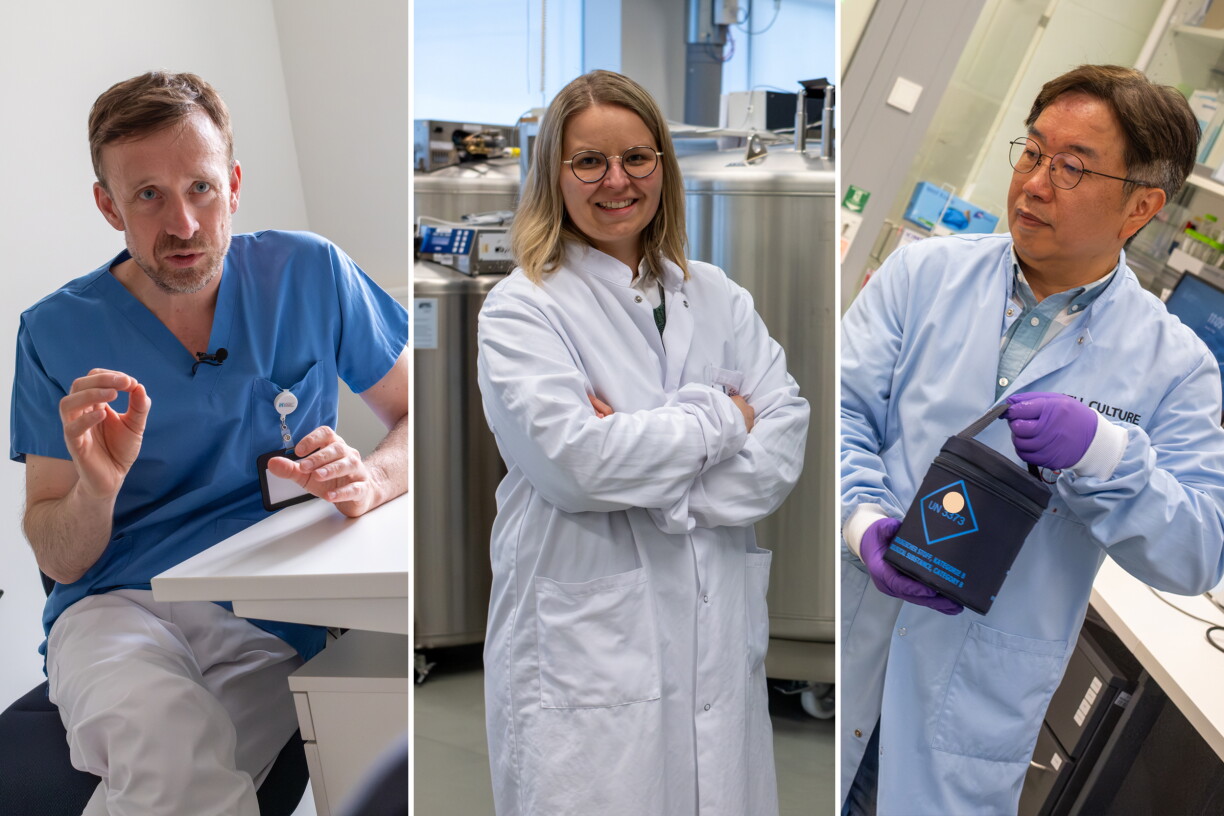
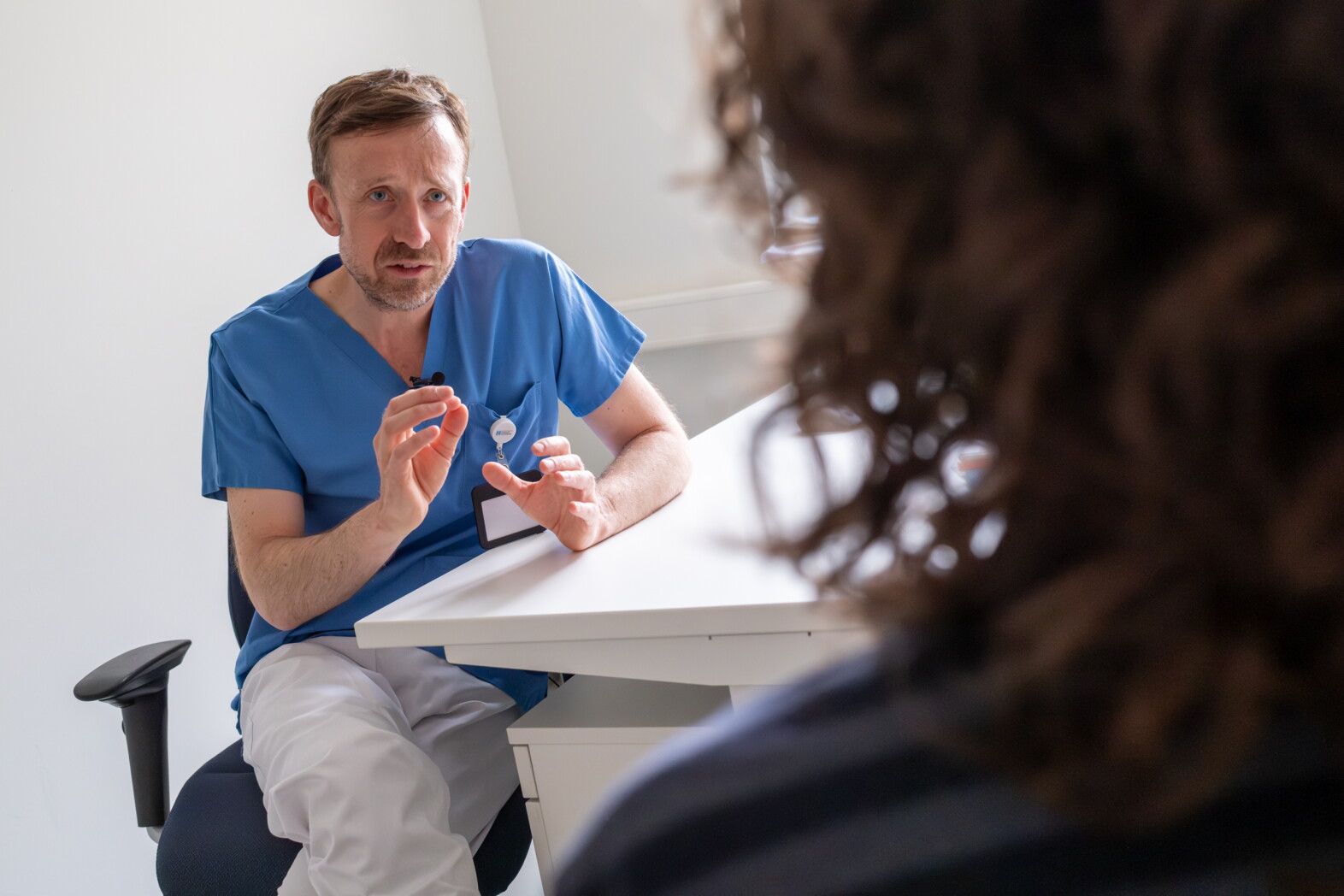
Dr Marc Berna, Director General of the Hôpitaux Robert Schuman, explains that patients who take part in such studies, especially in translational research, where patient-derived material is analysed in the laboratory, often do not benefit directly from the project themselves. However, their contributions allow researchers to better understand diseases and to develop more effective long-term treatments.
What happens to a sample after donation?
Biological samples collected for research are sent to the Integrated Biobank of Luxembourg (IBBL) in Dudelange. Each sample is anonymised and identified by a code to protect patient privacy. On arrival, the samples undergo meticulous processing to guarantee the highest possible quality, which is crucial for reliable scientific results. Any mishandling or improper storage could jeopardise the validity of future research.
Claire Barbieux, Director of the IBBL, explains that to improve patients’ lives, strong scientific results are needed, which require good science, and good science starts with reliable material. She emphasises that these samples are of impeccable quality.
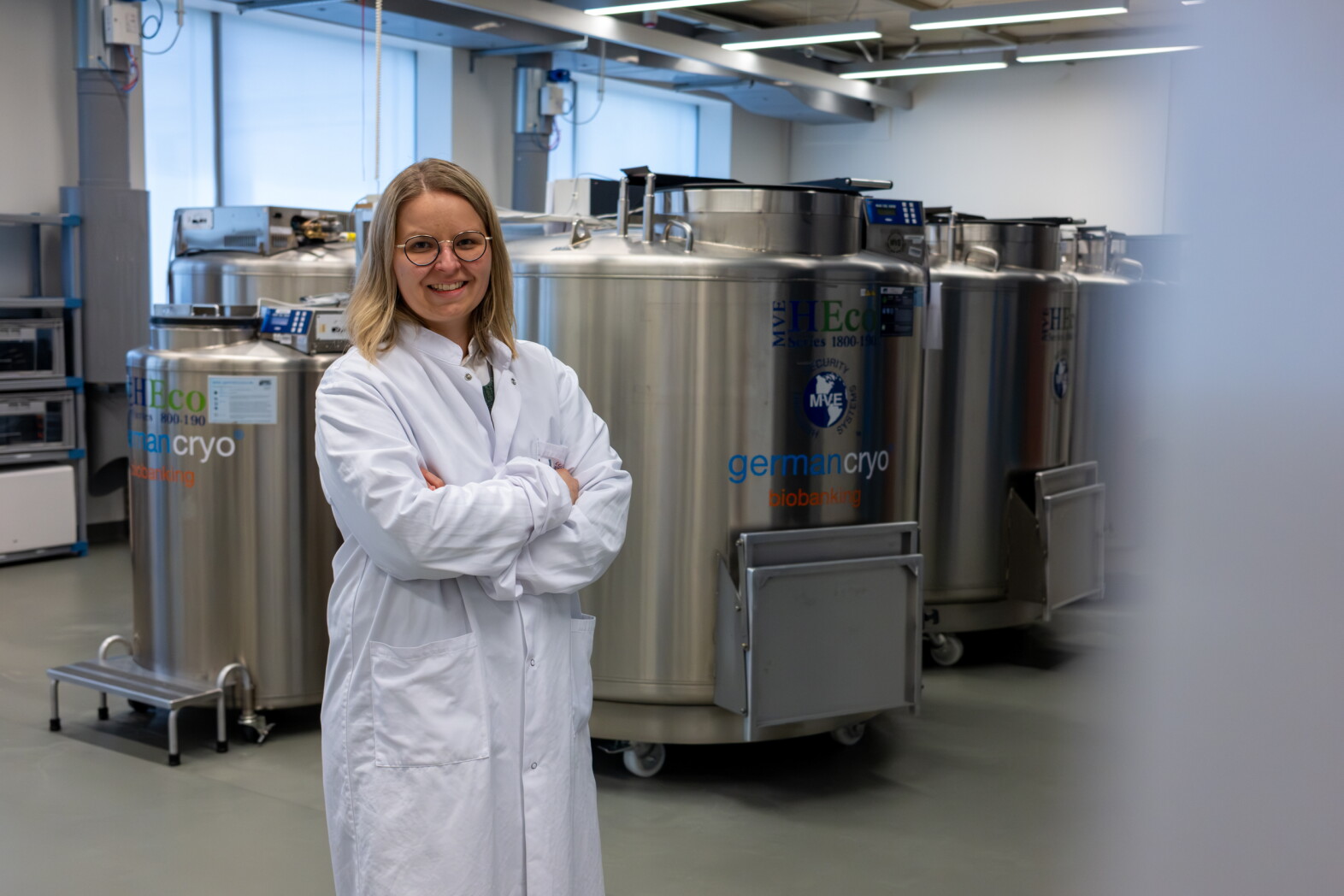
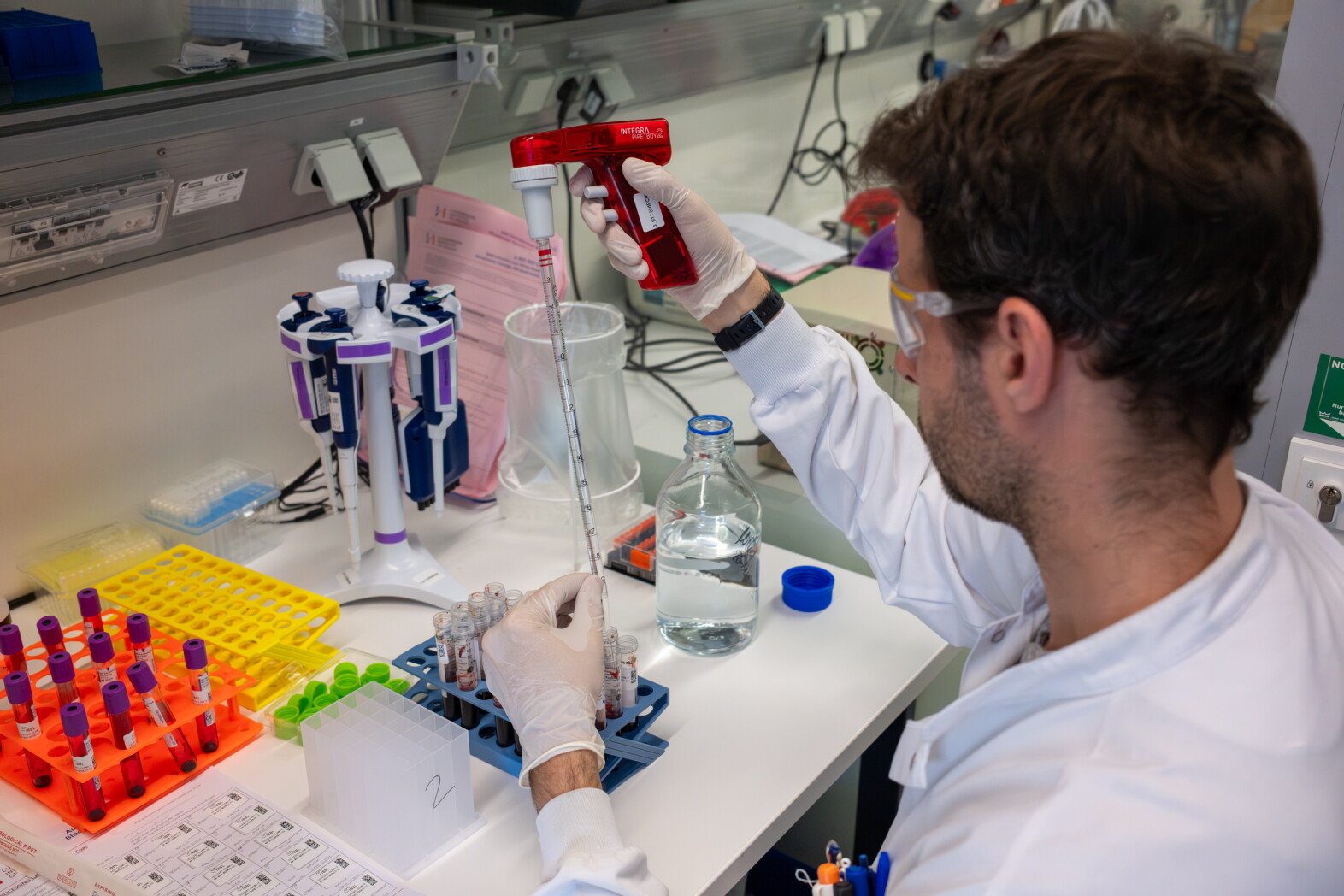
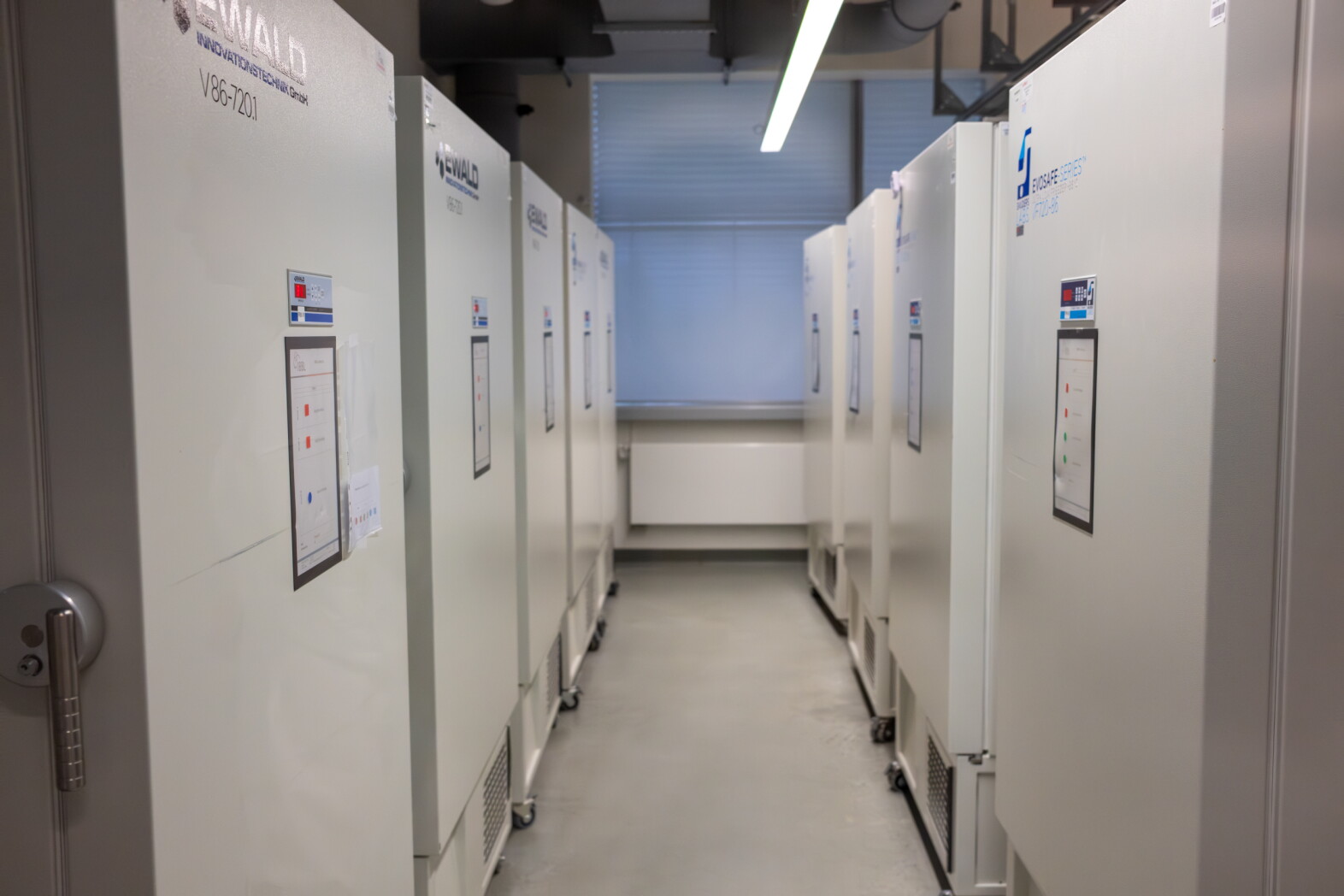


Currently, the IBBL stores around 2.2 million samples as part of approximately 80 research projects, with the oldest project running for 15 years. Samples can be preserved for as long as needed, depending on the duration of each research project. Only authorised researchers involved in these projects have access to the samples.
How biobanks can revolutionise therapies
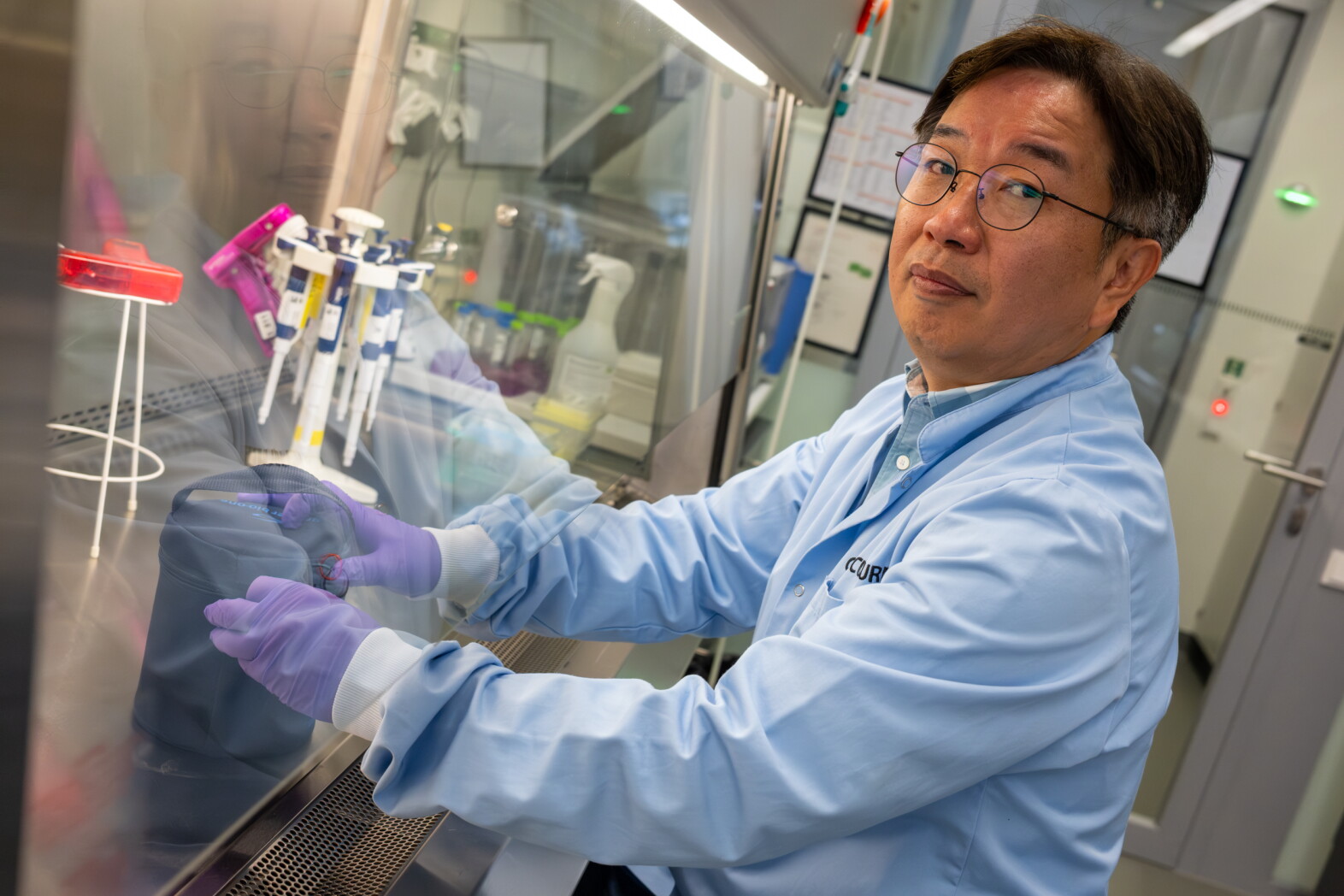
At the Luxembourg Institute of Health, Dr Yong-Jun Kwon is leading a research project focused on personalised cancer treatment. Using tumour tissue donated by patients and stored at the biobank, Dr Kwon and his team generate 3D miniature versions of tumours, known as organoids, that replicate a patient’s specific cancer. These models allow researchers to test which treatments are most likely to be effective for each individual.
Dr Kwon explains that in chemotherapy, for example, many possible treatment options are available. Yet it is not entirely clear which one works best for a given patient. He hopes that this question can soon be answered, thanks to the current research efforts.
According to Dr Kwon, the strength of this approach lies in collaboration, which follows a unique model in Luxembourg. He shares his excitement about the close collaboration between clinicians, researchers, the biobank, data scientists, and laboratory technicians in Luxembourg, emphasising his belief that this is "the future of medicine".





