The Alternative Democratic Party (ADR) had demanded that the meeting take place to discuss the battle against drug-related crime in Luxembourg.
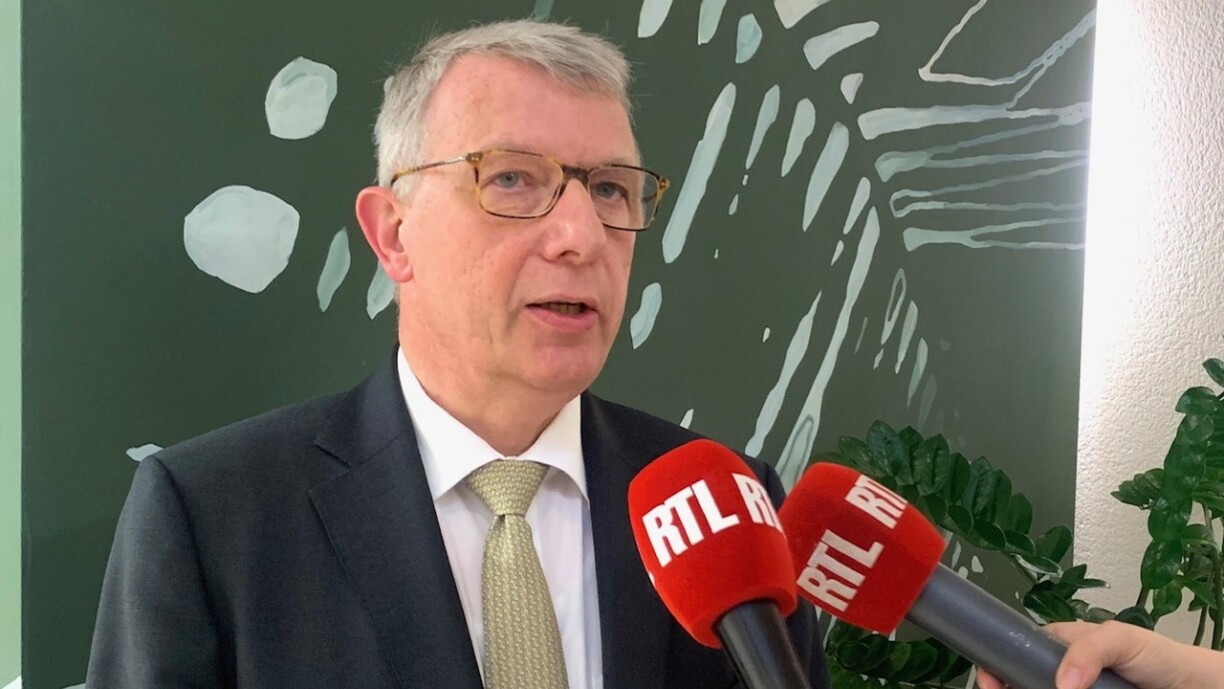
According to ADR MP Fernand Kartheiser, the battle against drug-related crime is impaired by poor coordination between the respective ministries. He told RTL after the meeting that there a legislative loopholes in terms of immigration. He said it is an open secret that the drug problem in Luxembourg City is partly due to individuals coming to Luxembourg - at times illegally - from African countries.
Kartheiser criticised that, as paradoxical as it may sound, it it not illegal to be in Luxembourg illegally. He explained that there is no punishment for individuals that knowingly stay in Luxembourg illegally. This loophole, he added, causes significant problems when it comes to sending these individuals back to their native countries. He argued that "it is a fact that the cooperation with several states and embassies does not work function properly," which can make it extremely challenging to "send back people." Kartheiser cited immigrants from "Tunisia, Morocco, Algeria or Nigeria" who reportedly enter Luxembourg without valid documents.
He added: "It is a situation where [Luxembourg officials] work timidly with consular authorities to bring these people back to their countries. Jean Asselborn told us that there are occasionally people in Brussels who do not like to cooperate with us. There is no pressure at all. It is not acceptable that our ability to send back people depends on the good will of a consular employee in Brussels."
Kartheiser also told RTL that the cooperation between Luxembourg's police and judicial system works well. At the same time, he argued that their hands are tied due to legislative loopholes. He argued that there is currently no deterrent that might reduce illegal immigration. "If they already knew that an illegal stay is punishable [under Luxembourg law], they might not even come here in the first place," he said.
Kartheiser also criticised Luxembourg's Minister of Foreign Affairs, arguing that Jean Asselborn is too "passive" and that his politics facilitate illegal immigration.
The MP stressed that the ADR will continue to tackle the issue during the next parliamentary period. He reiterated that the "political passivity" is unacceptable. The first solution will be to eliminate the legislative loopholes, and to repatriate the people in question, he said.
Jean Asselborn reacted to the accusations earlier this Monday. He told RTL that cooperation functions well in Luxembourg, explaining that police and immigration authorities work closely together.
Asselborn also rejected the claim that there are legislative loopholes. He stressed the importance of differentiating between people who stay in Luxembourg legally as opposed to those who stay here illegally.
If an individual is found to be an illegal immigrant, they can only be sent back to their native country if there is no question about their identity. There also needs to be an agreement between Luxembourg and the native country of the person in question, Asselborn said. He conceded that this can sometimes be problematic and largely depends on the diplomatic ties between countries.
Asselborn explained that there are also people in Luxembourg's drug scene that have entered the country legally. This is for instance the case for individuals who were granted international protection status in another EU country and consequently received the right to spend up to three months in Luxembourg. If these individuals commit a crime in Luxembourg, Asselborn explained, they risk having their international protection status revoked.
When asked by RTL, Asselborn argued that only a very small percentage of individuals who request international protection in Luxembourg are involved in drug-related crime.
He also said that officials are currently considering "to maybe tighten the immigration law a little bit."





